Last updated November 21, 2026
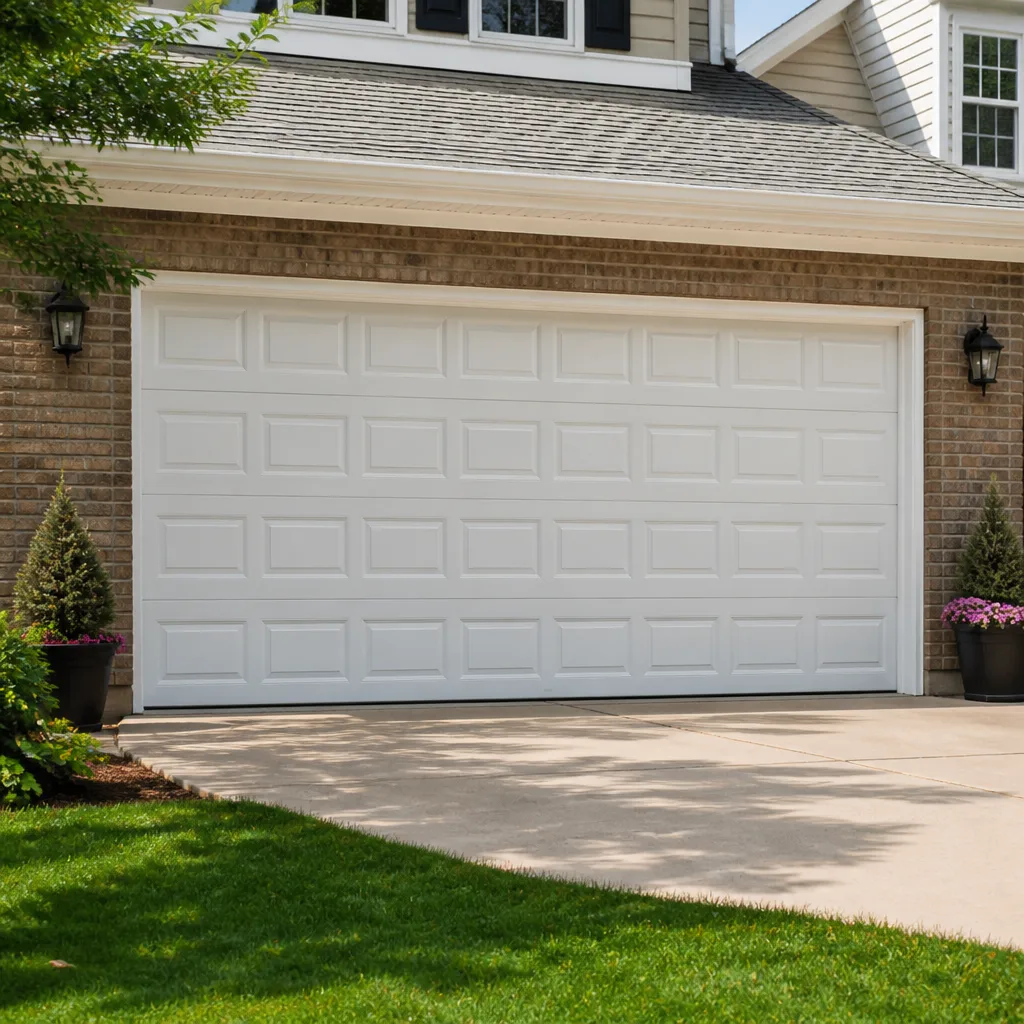 Raised-panel steel
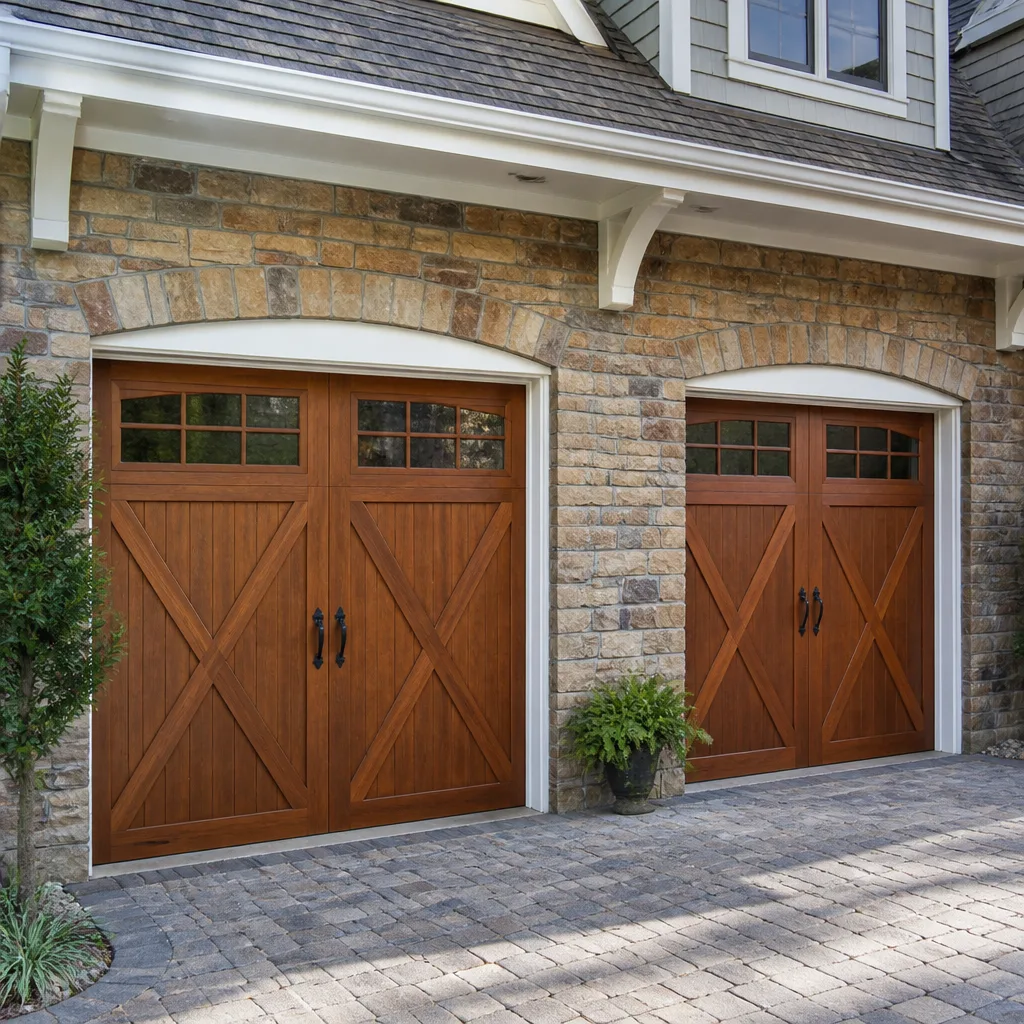 Carriage house
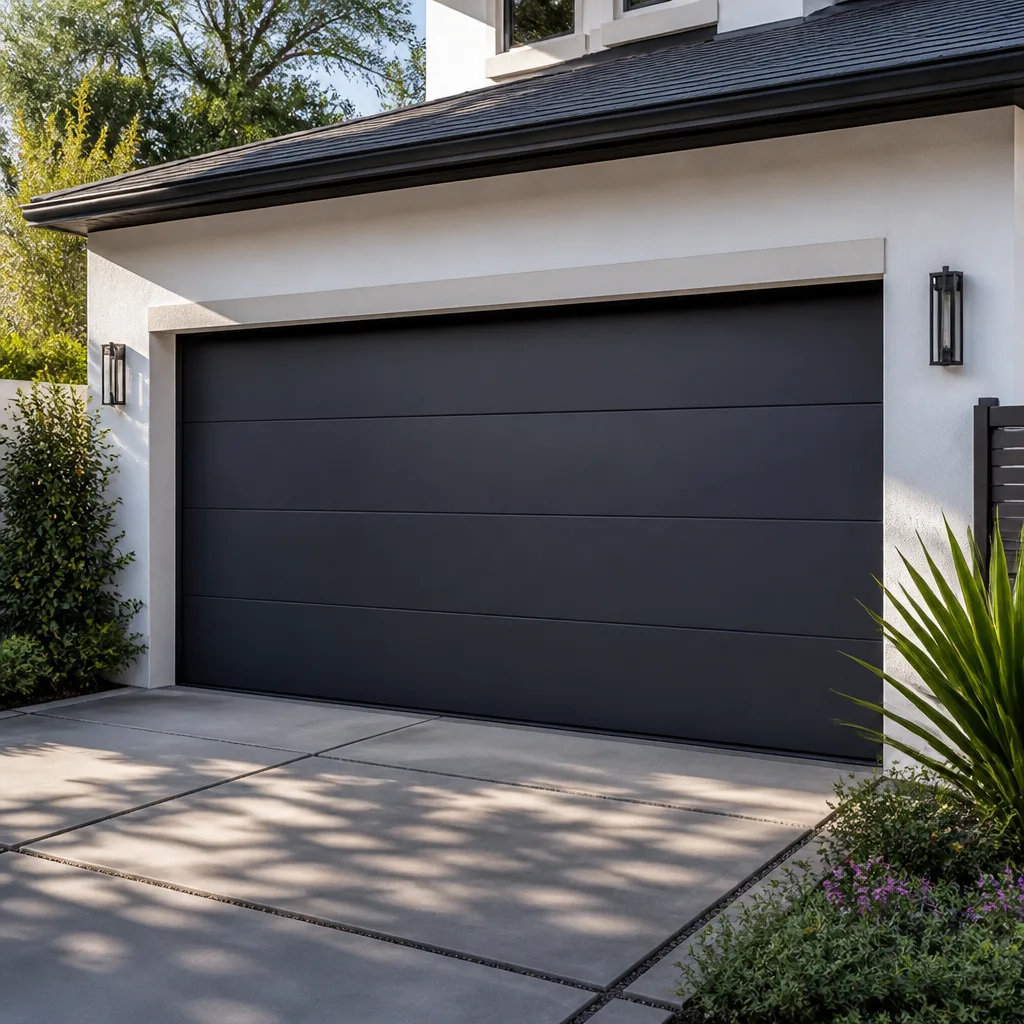 Modern flush
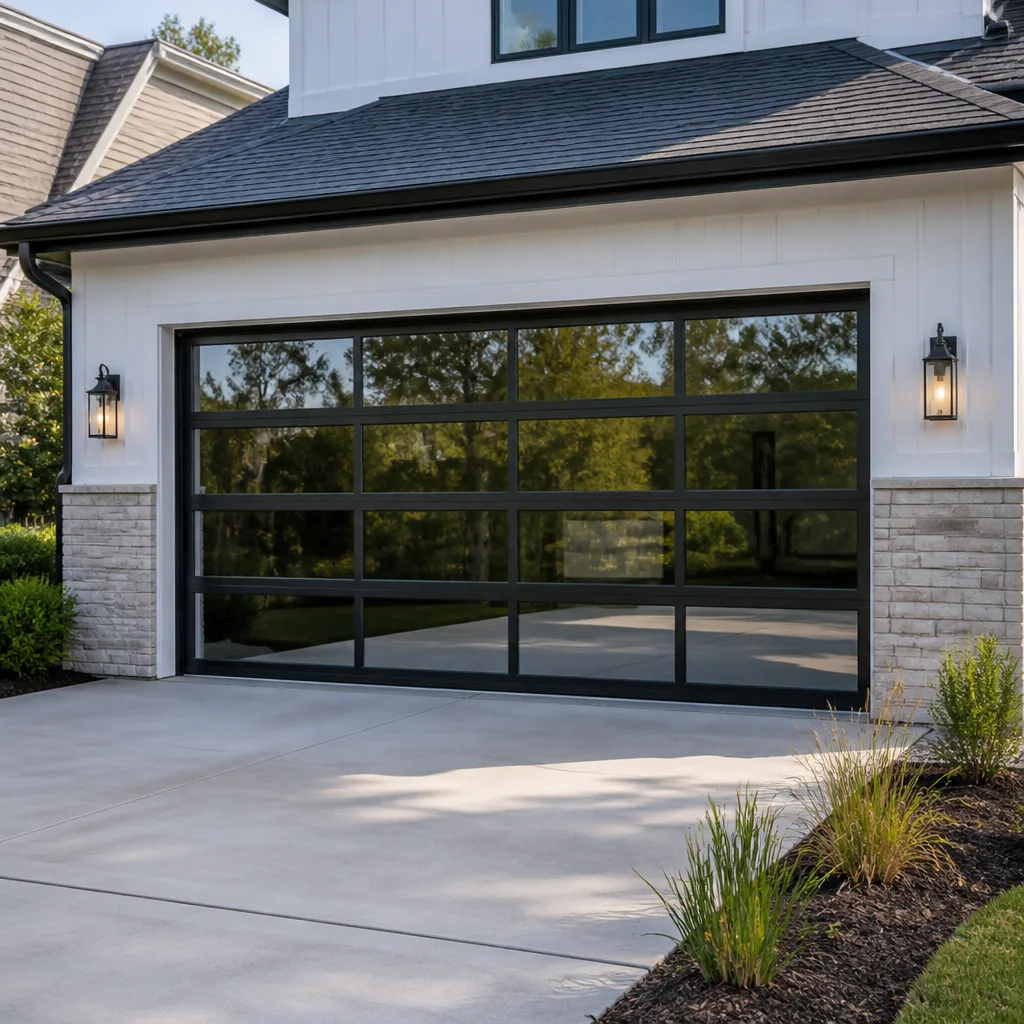 Full-view glass
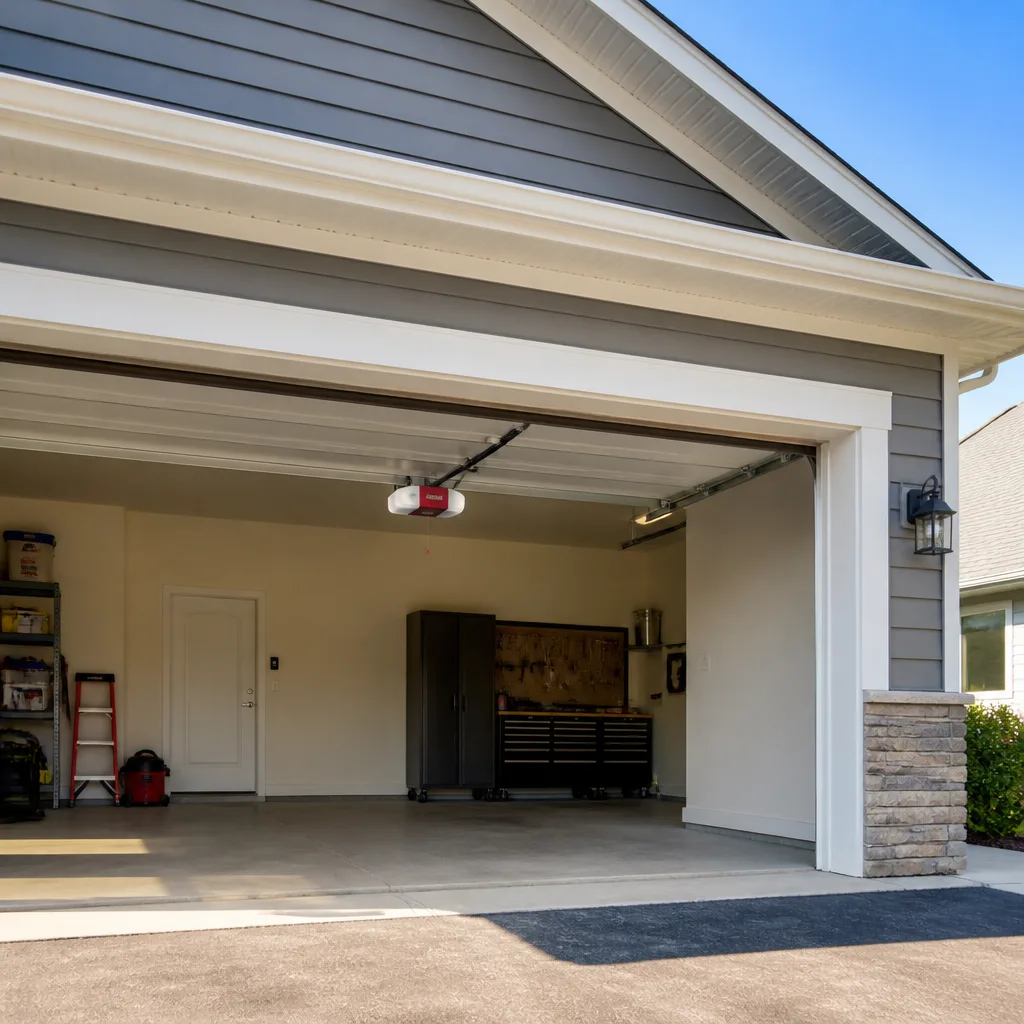 LiftMaster openers
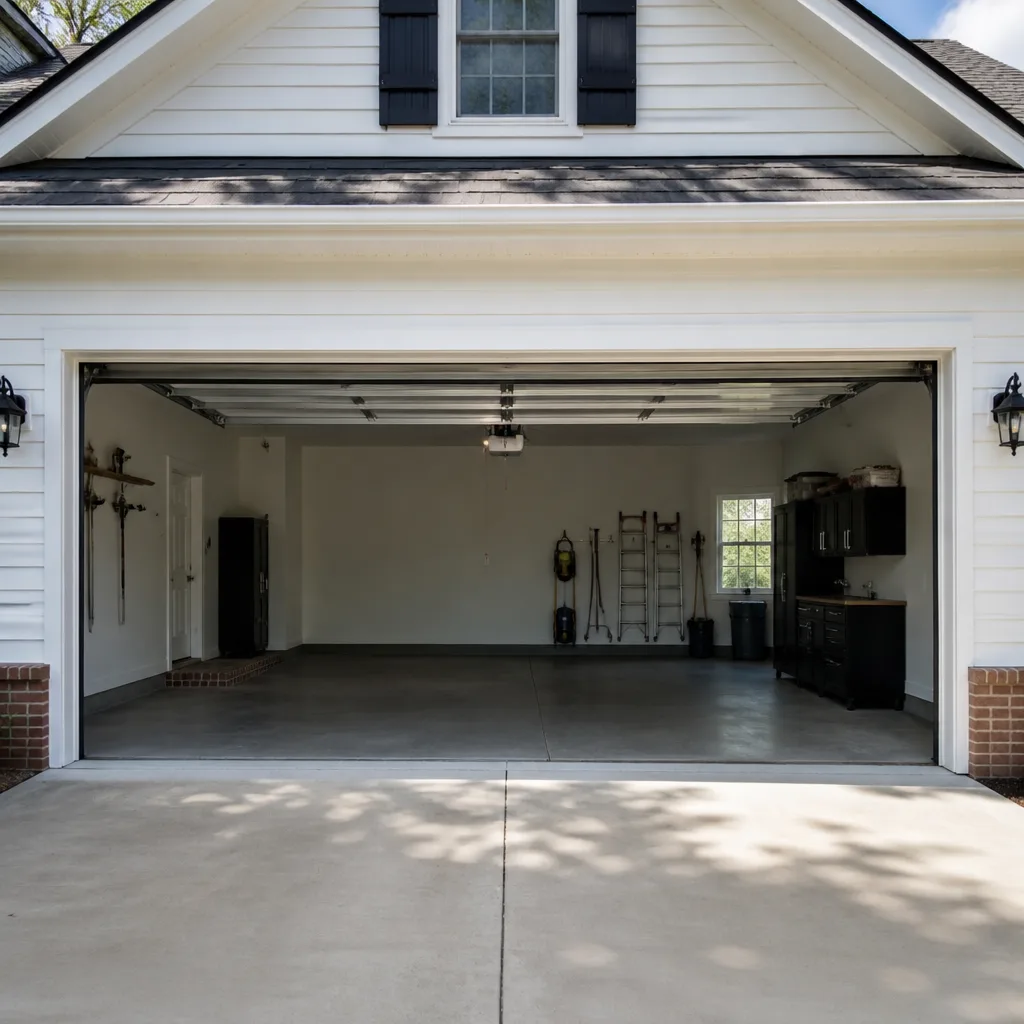 Chamberlain openers
Full 25-point door and opener safety check with every visit - springs, cables, rollers, tracks, and your LiftMaster or Chamberlain opener included
You get a price before we start. It does not change when the pro arrives.
Get your free estimateGarage Door Permits, Codes & Inspections in Brighton, MA: What You Need to Know
Here’s the part most Brighton homeowners don’t hear until it’s too late: swapping out a garage door is not always just a repair. Under the Massachusetts State Building Code, a full replacement is often permitted work, and unpermitted work has a habit of surfacing when you least want it – during a home inspection, at closing, when a buyer’s attorney asks for the paper trail. A repair that swaps a spring or re-hangs a track usually stays under the radar. A new door is a different animal. This guide walks through where that line sits, how Boston’s inspectional services handle a garage door permit, what the state code says about opener safety, and how Brighton’s condo conversions add a second layer of rules on top. By the end you’ll know what to file, what to keep, and when to call a pro.
Quick Answer
In Brighton and the rest of Boston, replacing a garage door generally requires a building permit through the city’s Inspectional Services Department (ISD), while repairing an existing door – springs, cables, panels, openers – typically does not. The Massachusetts State Building Code (780 CMR) sets the statewide safety requirements, including automatic opener rules, and any permit work must be inspected before it’s considered closed. If your building is a condo conversion, HOA or trust rules can add approvals on top of the city permit, so check both before work starts. Call (877) 492-3662 for a free estimate and a straight answer on what your job needs.
Styles & brands we work with
- Raised-panel steel
- Carriage house
- Modern flush
- Full-view glass
- LiftMaster openers
- Chamberlain openers
Table of Contents
- Repair vs. Replacement: Where Boston Draws the Line
- How the Boston ISD Permit Process Works for Garage Doors
- What 780 CMR Says About Opener Safety
- Condo Conversions and HOA Rules: Which One Controls
- What to Keep After a Permitted Installation
- How Brighton’s Housing Stock Affects the Permit Question
- What an Inspection Actually Checks
- Realistic Timelines and What to Expect
Repair vs. Replacement: Where Boston Draws the Line
The distinction sounds simple until you’re standing in front of a door that’s half new and half original. Boston’s building code treats a repair as work that restores an existing assembly to function – a snapped torsion spring, a bent track, a worn roller, a dead opener. That work generally doesn’t trigger a permit because the door’s size, configuration, and structural attachment stay the same. Replacement is different. When you remove the door and install a new one, you’re changing a component of the building envelope, and that’s where the city wants to see a permit.
A few markers push a job from repair into replacement territory:
- New door panels or a full door unit. Even if the tracks and opener stay, replacing the door itself is a new installation.
- Changes to the opening. Widening, raising the header, altering the framing around the opening – anything structural.
- New or upgraded opener wiring. If the electrical circuit is modified, not just swapped at the plug, that’s usually a separate electrical permit.
- Changes to the door’s structural attachment. New brackets, new reinforcement, new anchor points into the framing.
What stays on the repair side is the work we do most often: spring replacement, cable replacement, roller and hinge swaps, opener repair, panel damage from a bump in the driveway. We’ve handled enough Brighton doors to know the boundary is usually clear once you look at the job. Where it isn’t, the safe move is to ask the city’s building department before the work starts rather than after. Our garage door repair work covers the repair side of that line every day.
One more wrinkle worth flagging: a “repair” that swaps out so much of the door that little of the original remains can be treated as a replacement by an inspector. If you’re replacing the door and reusing the tracks and opener, most Brighton jobs still count as replacement for permitting purposes. Assume permit, and you’ll rarely be wrong.
How the Boston ISD Permit Process Works for Garage Doors
Garage door permits in Boston go through the city’s Inspectional Services Department, the same office that handles residential building permits. The process isn’t unusual, but it’s sequential, and the order matters more than the paperwork itself. Here’s how it typically goes for a residential garage door replacement in Brighton:
- Confirm the scope. Decide whether you’re repairing or replacing. This determines whether you file at all.
- Pull the permit. The permit application goes to Boston ISD, usually filed by the licensed contractor doing the work. Your role is to confirm the scope and the address match what’s actually happening.
- Complete the installation. Once the permit is issued, the work is done. The permit should be on-site for the duration.
- Request the inspection. After installation, the contractor calls for inspection. The inspector reviews the installation, the door operation, and the safety devices.
- Get the sign-off. The completed inspection closes the permit. Keep the certificate – it’s the document that matters at resale.
Timelines vary by workload at ISD. In practice, a straightforward residential permit is usually issued within a couple of weeks of a clean application, and the inspection is scheduled once the work is done. That’s a realistic framing, not a guarantee – Boston’s inspection calendar shifts with the season and the backlog, and summer is busier than winter. If you’re replacing a door in a Brighton triple-decker or a single-family near Oak Square, plan the job with that window in mind rather than assuming it’ll be a same-week turnaround. Replacement work is measured, ordered, and scheduled, not dispatched – and the permit sits in that same pipeline.
The one thing we tell every Brighton homeowner: don’t order the door before you know the permit status. A Clopay or Amarr door is built to your opening’s measurements, and if the inspection process flags a code issue with the opening, you want to know before the door is fabricated, not after.
What 780 CMR Says About Opener Safety
The Massachusetts State Building Code, 780 CMR, adopts and amends the model codes that govern residential construction, and it speaks directly to automatic garage door openers. The core requirements are the ones you’d expect from a modern residential code: the opener must have an automatic reverse function that stops and reverses the door when it meets an obstruction, and a photoelectric eye system mounted near the floor that reverses the door if the beam is broken while the door is closing.
What this means in plain terms for a Brighton homeowner:
- Obstruction sensing is not optional. A door that closes on a bicycle, a child, or a pet without reversing is out of compliance.
- The photo-eye must be a working safety device, not a decoration. Mounted within the required height above the floor, aimed correctly, and wired to the opener.
- Manual release. The opener needs a functioning release in case of power failure or emergency.
- Warning labels. The required caution label near the door’s control is part of the equipment, not a suggestion.
Older openers that predate the current requirements can be a problem at inspection – or, more commonly, at a home sale, when a buyer’s inspector notes that the safety reverse doesn’t engage. Swapping out a decades-old unit for a modern LiftMaster or Chamberlain opener is a routine fix, and it’s the sort of thing that’s worth handling before it becomes a negotiation item. Our garage door opener repair covers the full range of installation and repair work on these systems, including the safety features code requires.
If a permitted door replacement includes a new opener – and often it does – the inspector will check the safety reverse and the photo-eye as part of the same visit. If you’re keeping the existing opener, expect the inspector to test it regardless, because the door’s compliance depends on the opener working correctly.
Condo Conversions and HOA Rules: Which One Controls
Brighton has a lot of condo conversions – older multi-family buildings carved into units, especially around Commonwealth Ave, Washington St, and the streets off Market St. If your unit includes a garage or a deeded parking space with a door, you’re likely dealing with two layers of rules at once: the city’s building code and your condo association’s own governing documents. They don’t override each other. They stack.
Here’s how the layering works in practice:
- The city permit is non-negotiable. Boston ISD sets the baseline. If a replacement requires a permit under the city’s rules, the HOA can’t waive that requirement.
- The HOA can add requirements, not subtract them. Many condo docs include approval processes for exterior changes, rules about door colors or styles visible from common areas, and sometimes insurance or contractor-licensing requirements. Those are enforceable as a matter of the association’s own rules, even though the city doesn’t require them.
- Trust documents matter as much as bylaws. A condo association’s declaration, bylaws, and rules and regulations are separate documents. The answer to “can I replace my garage door” usually lives in the rules and regulations, not the bylaws.
For a Brighton homeowner, the practical move is to read the association’s rules on exterior changes before ordering a door. If the building’s governing documents require board approval, get that approval in writing. A permit from the city doesn’t relieve you of the HOA process, and a board approval doesn’t relieve you of the permit. Both have to happen.
Where we can help is with the specifics – the dimensions, the specific door model, the brand. If the HOA wants to see what you’re proposing, we can put together the spec sheet from the manufacturer’s line. Clopay and Amarr both publish the technical specifications the board will want to review.
What to Keep After a Permitted Installation
The documents matter more than the door does at resale. When you sell a Brighton home, a buyer’s inspector will look at work that’s been done, and the difference between a clean transaction and a delayed one is usually the paper trail. Here’s what to keep together in a folder – physical or digital – and what each piece protects against:
- The permit application and issued permit. Confirms the work was filed with Boston ISD before installation.
- The inspection certificate or final sign-off. The single most important document. It proves the permit was closed and the work passed.
- The manufacturer’s installation instructions or spec sheet. Ties the installed door to a specific model and gives the inspector the load and safety specs.
- The contractor’s invoice or contract. Shows the scope of work and who performed it.
- The opener’s documentation. Model, safety reverse test results, and the manufacturer’s information on the safety devices.
- Photos of the finished installation. Not a substitute for documents, but useful if a question comes up later about how the door was anchored or wired.
One practical note: city records can be requested years later, but the request takes time and the burden falls on the seller during a negotiation. Keeping your own file is faster and cheaper than pulling records under deadline. If you’re the seller and you don’t have the documents, the buyer’s attorney will ask for them, and the answer “I think it was permitted” doesn’t move a closing forward.
We keep installation records for the work we perform, including the permit details where applicable, so if you ever need to reconstruct the file for a sale, give us a call and we’ll pull what we have. That’s part of why a Brighton job done through a specialist is easier to document later – the whole paper trail lives with one trade, not split across a handyman and an electrician.
How Brighton’s Housing Stock Affects the Permit Question
Brighton’s housing mix shapes the permit conversation in ways that don’t come up in newer suburbs. The neighborhood has a lot of older two- and three-family buildings, a large stock of early- to mid-20th-century single-families, and a heavy concentration of condo conversions. Each of those has its own quirks when it comes to garage doors.
In the older triple-deckers, the garage is usually a ground-level bay under the building or a detached structure behind it – often with a door opening that’s been patched, re-framed, or resized over the decades. If the door’s opening no longer matches what the city’s records show, a replacement that changes the dimensions can trigger questions the original door never did. Knowing what you’re starting with matters before you order a door. Our garage door installation work starts with a measure of the actual opening for exactly this reason.
The winter climate is the other factor. Brighton’s freeze-and-thaw cycles are hard on door hardware – springs lose tension faster, cables get stressed, and openers work harder through the colder months. That’s a repair story more than a permit story, but it does mean Brighton doors get replaced more often than doors in milder climates. When the replacement comes, the permit question is part of the job, not an afterthought.
The neighborhood also matters for a different reason: parking. A lot of Brighton garages are tight – a door that has to work in a narrow bay with limited swing clearance is a different installation than a wide suburban opening. If your door is in a structure with a low headroom, the opener may need to be a specific model, and the safety devices have to be positioned correctly. That’s the kind of detail that a general handyman misses and a garage door specialist handles as routine.
The brand question also comes up in Brighton more than you’d expect. Older homes often have Craftsman or Genie openers that are decades old, while the newer conversions tend to have LiftMaster or Chamberlain units. Knowing which one is installed means the parts are ordered correctly the first time and the safety device retrofit fits the existing unit. We’re happy to check the model before we quote – it saves a second visit.
What an Inspection Actually Checks
An inspection for a garage door permit in Boston isn’t an audit of everything in your garage. It’s a targeted review of the installed door and its safety systems, timed after the work is done. Here’s what the inspector typically looks at, in the order they usually go:
- The permit and scope match. The door installed matches what was filed. If the scope changed, that’s a discrepancy to resolve, not a detail to gloss over.
- Structural attachment. The door’s tracks, brackets, and opener are anchored to the framing correctly and the opening is sound.
- Door operation. The door travels smoothly, closes fully, and doesn’t bind. Torsion and extension springs are under tension – the inspector won’t be doing spring work, but they will note whether the door operates safely.
- Safety reverse. The opener’s automatic reverse function is tested. The door should stop and reverse when it meets an obstruction.
- Photo-eye system. The beam is checked for alignment and function. A blocked beam should reverse the closing door.
- Labels and documentation. The required warning label is present and the equipment matches the submitted spec.
What the inspector is not doing is telling you how to fix anything. If something fails, the note goes to the contractor, who schedules a correction and a re-inspection. That’s why the choice of installer matters more than the choice of door – a clean installation passes the first time, and a sloppy one doesn’t.
One thing to know about springs: they are the single most dangerous component of any garage door, and a torsion spring under tension can cause serious injury if handled without the right tools and training. That’s not a job for a homeowner with a wrench, and it’s not the kind of thing an inspector will touch. If your existing door needs spring work before a replacement, have it done by a trained technician – the risk isn’t worth saving the labor cost.
Realistic Timelines and What to Expect
A garage door replacement in Brighton moves through a predictable sequence, and knowing the sequence helps you plan. Here’s how it usually breaks down, in practical terms:
- Measure and specify. We measure the opening, check the opener, and confirm the door model. This is the step where most surprises get caught – a door that doesn’t match the opening is a door that gets sent back.
- Confirm the permit requirement. Based on the scope, we tell you whether a permit is needed and what the process looks like. For most replacements in Brighton, the answer is yes.
- File and wait for issuance. The permit goes to Boston ISD. Expect a couple of weeks for a straightforward residential permit, recognizing that the calendar depends on ISD’s workload that month.
- Order the door. Once the permit is issued and the model is confirmed, the door is ordered. Lead times vary by manufacturer and model.
- Install. Installation is a scheduled job, not a same-day dispatch. The door arrives, the old one comes out, the new one goes in, and the opener’s safety features are tested.
- Inspection and sign-off. The contractor calls for the inspection, the inspector reviews, and the permit is closed. That’s the finish line.
The realistic total – from decision to closed permit – runs several weeks for a typical Brighton replacement. That’s not a delay; it’s the process. If you’re working backward from a sale or a closing, add a buffer. The one thing you don’t want is to be a week from closing with an open permit and a door that hasn’t been inspected.
For a repair, the timeline is different – repairs don’t sit in the permit queue. If your opener has failed or a spring has snapped, the work can move quickly. Call (877) 492-3662 for a free estimate.
Common Mistakes to Avoid
- Assuming a repair and a replacement are the same thing. They aren’t. A full door replacement usually requires a permit in Boston, while a spring, cable, or opener repair typically doesn’t. Treating a replacement as a repair is the mistake that shows up years later at resale.
- Ordering the door before the permit is issued. A custom door is built to your opening. If the permit process surfaces a code issue, you want to know before the door is fabricated, not after it’s on the truck.
- Skipping the HOA approval in a Brighton condo conversion. City permits don’t replace association rules. If your building’s governing documents require board approval for exterior changes, get it in writing before work starts.
- Not keeping the inspection certificate. The permit application is not the same as the sign-off. The signed-off inspection is the document that matters if a buyer’s attorney asks for proof at closing.
- Ignoring the opener’s safety reverse. An older opener that doesn’t reverse on obstruction is out of compliance and a problem at inspection. Test it before the inspector does.
- Hiring a generalist for a replacement. Garage doors are a specific trade, and a door installation is not a general repair job. A contractor who doesn’t install doors every day misses details the inspector will catch.
- Handling spring work yourself. Torsion and extension springs are under enough tension to cause serious injury. That’s a job for a trained technician, full stop – it’s the one part of a garage door where the DIY question shouldn’t even come up.
See the difference
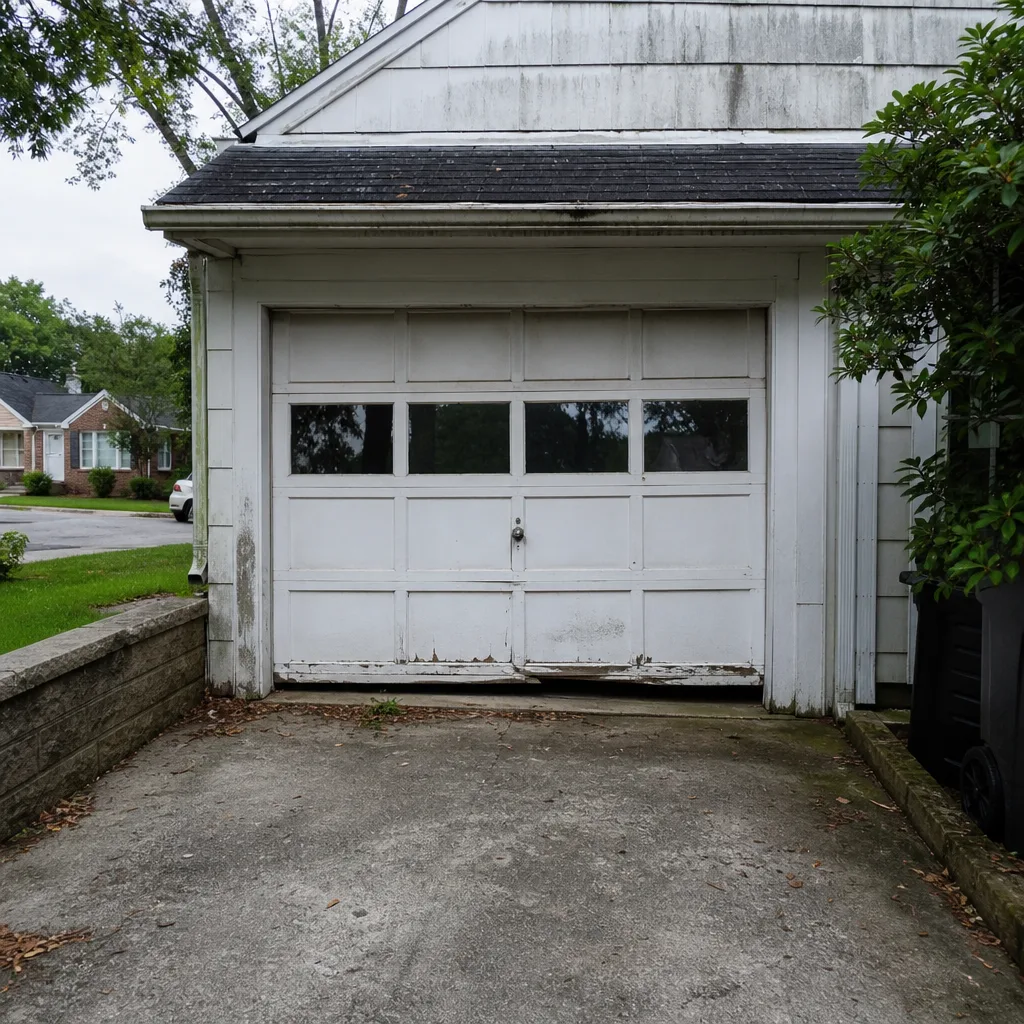 Before
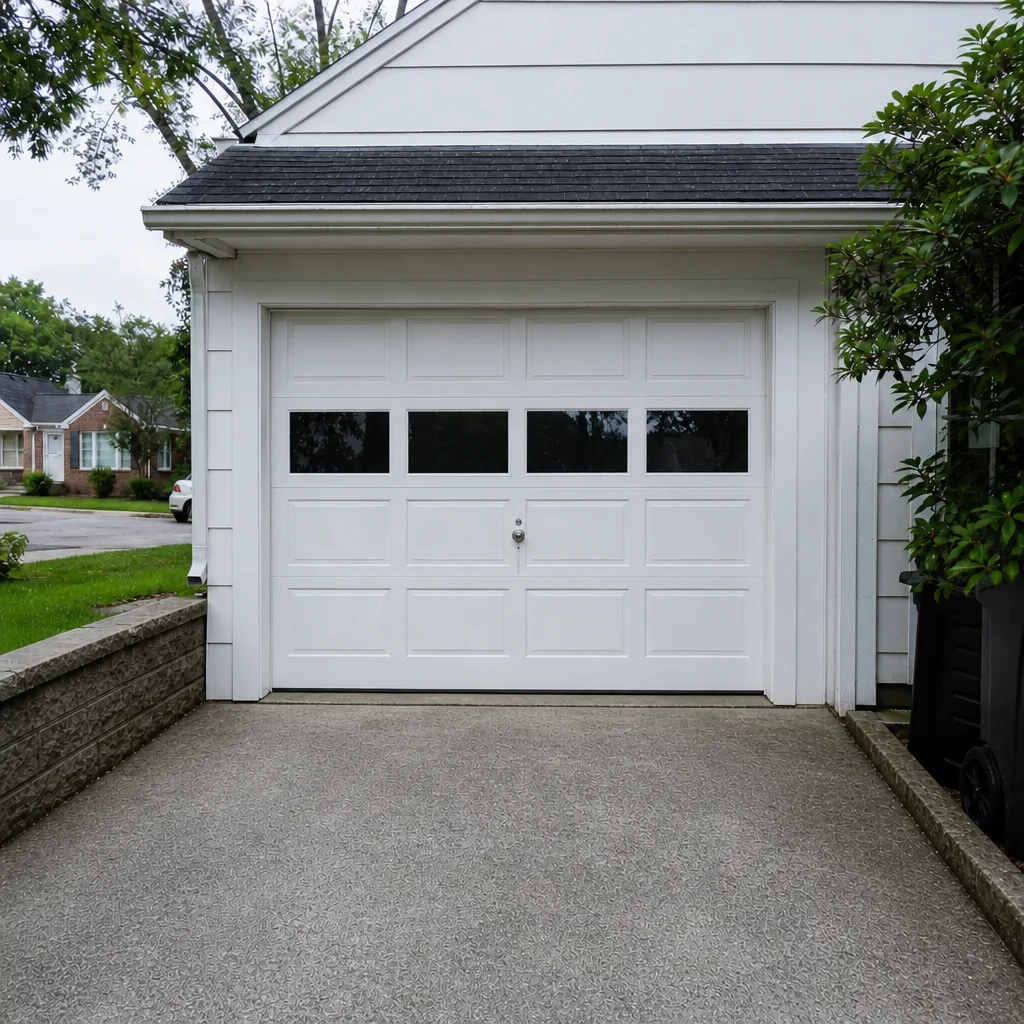 After
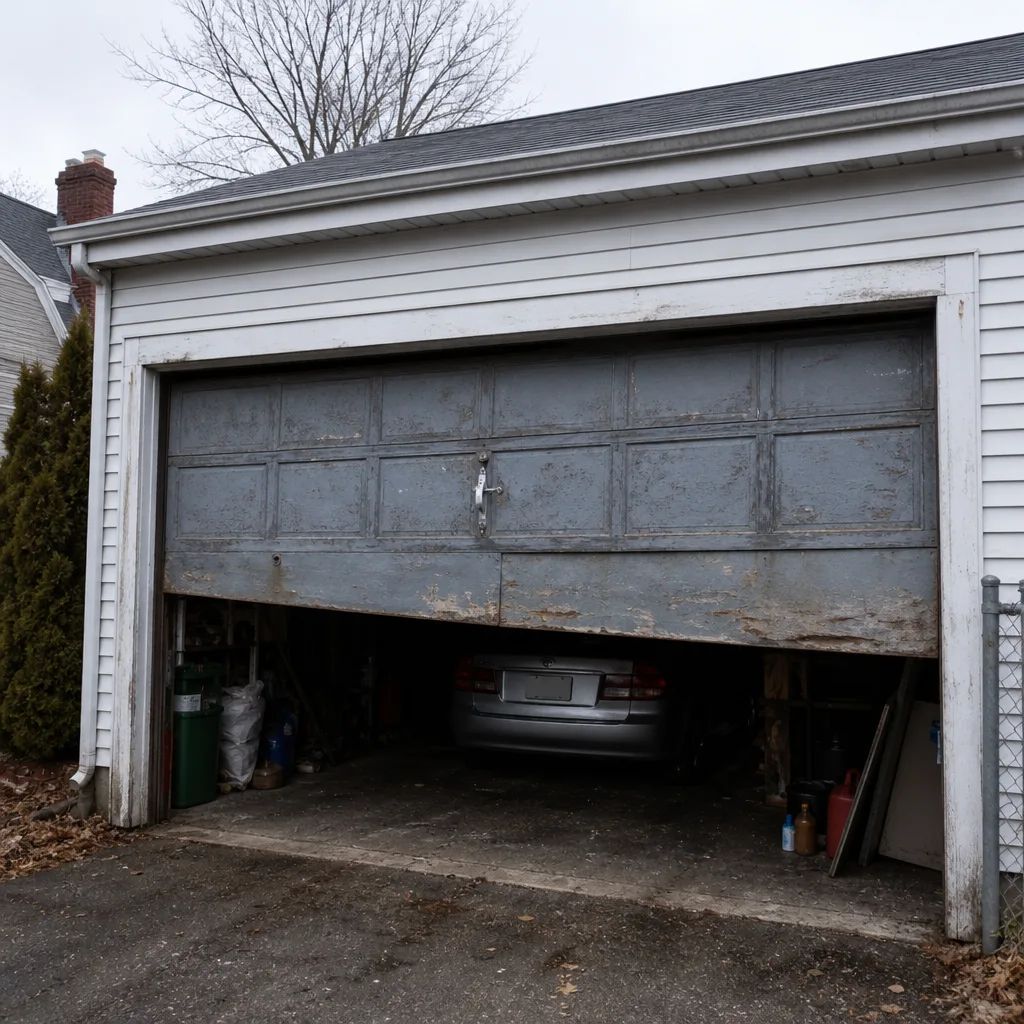 Before
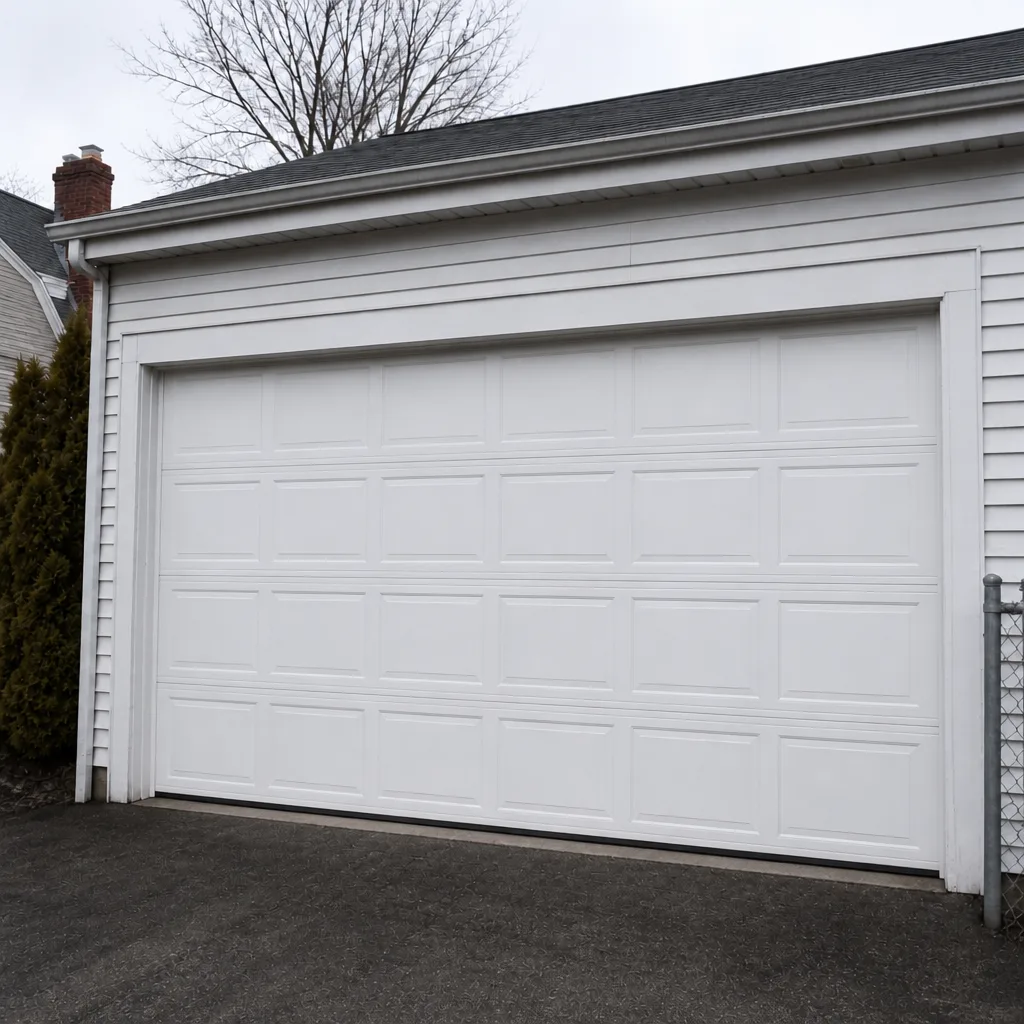 After
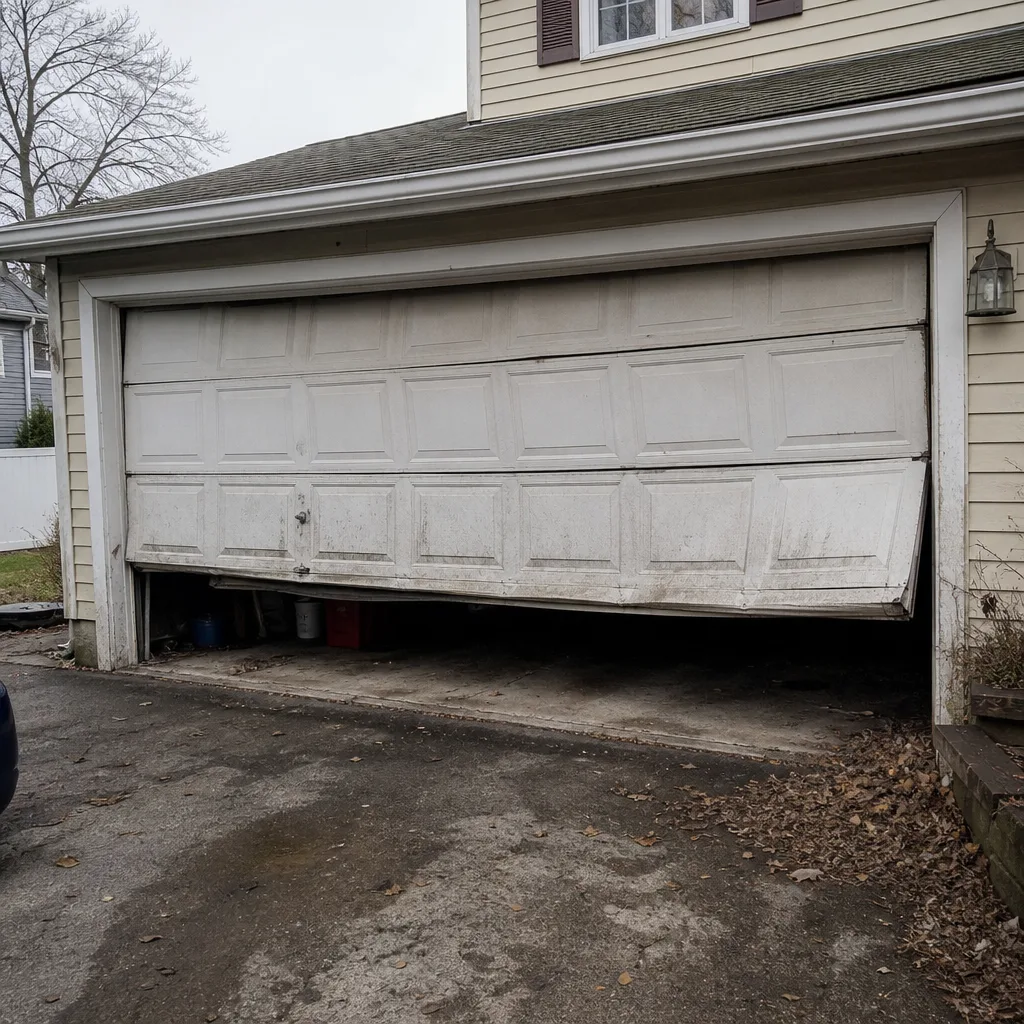 Before
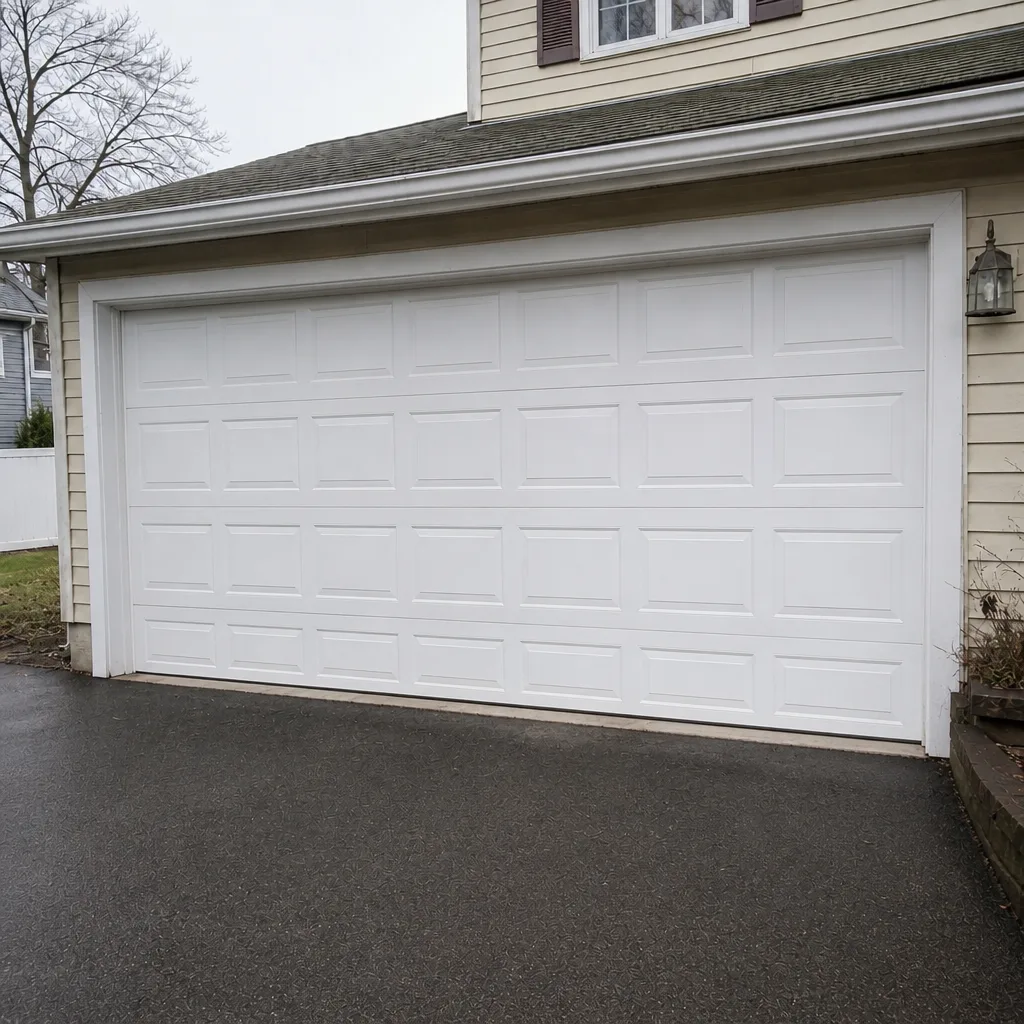 After
When to Call a Professional
Not every garage door question is a permit question, and some jobs should come off your list the moment you notice them. Call a specialist if your door reverses unpredictably, if a spring has visibly snapped or lost tension, if the door hangs unevenly or binds at one corner, if your opener runs but the door doesn’t move, or if your door is on the wrong side of a replacement decision and you don’t have a permit. The safety-critical ones – springs, cables, and anything involving the counterbalance system – should never be handled without the right tools and training. Brighton Garage Door Repair Pros offers free estimates in Brighton – call (877) 492-3662. We’ll tell you honestly whether your job is a repair (usually no permit) or a replacement (usually permit), and give you the written scope to take to ISD or your condo board.
Our technicians have up to 15 years of experience with garage doors and openers, and the work we do covers the full system – doors, springs, openers, hardware, and the parts. We work with LiftMaster, Chamberlain, Genie, Clopay, Amarr, Wayne Dalton, Craftsman, and Raynor equipment, so chances are the unit in your garage is already familiar territory. Garage doors are all we do, which means the tools, the parts, and the diagnostic eye are all pointed at one thing. The right part, the right fix, the first visit.
Frequently Asked Questions
Yes, in most cases. A full garage door replacement in Brighton goes through Boston’s Inspectional Services Department and requires a building permit, while repairs to an existing door – springs, cables, rollers, openers – generally do not. The line is between restoring what’s there and installing something new. When in doubt, call us at (877) 492-3662 and we’ll tell you what your specific job needs before you commit to anything.
A repair restores an existing door assembly to function without changing it structurally; a replacement installs a new door and is treated as new construction work. Swapping a spring, a cable, a roller, or a dead opener stays on the repair side. Installing new panels, a new door unit, or changing the opening structure moves it into replacement territory. If the scope is ambiguous, the safe answer is to ask the city’s building department before the work starts, not after it’s finished.
Often yes, and it’s separate from the city permit. Condo associations can require board approval for exterior changes, and those rules are enforceable even when the city doesn’t require anything extra. Read the association’s rules and regulations before ordering the door. The city permit and the HOA approval are both required when both apply – neither replaces the other. Call (877) 492-3662 if you’d like the spec sheet ready for your board.
The state code (780 CMR) requires automatic garage door openers to have an obstruction-sensing reverse function and a photoelectric eye system, plus a functioning manual release and the required warning label. An opener that closes without reversing is out of compliance. If your unit is old enough that these features don’t engage, replacing the opener is the straightforward fix – LiftMaster and Chamberlain both make modern units that meet the requirements. Call us for a free estimate on a replacement opener.
For a straightforward residential replacement, plan on a couple of weeks for permit issuance, then a scheduled installation, then an inspection to close it out. That’s a realistic framing, not a fixed timeline – Boston ISD’s calendar shifts with its workload, and summer is busier than winter. If you’re working backward from a sale, add a buffer. Call (877) 492-3662 and we’ll give you the written estimate and the scope you need to file.
The city can require the work to be permitted retroactively, and a home inspector will flag unpermitted work when the property sells, which can delay a closing. The remedy is usually to file the permit and have the work inspected, but the process is easier if the installation is sound in the first place. If you’re facing this on a Brighton property, call us at (877) 492-3662 and we’ll walk through what an inspection would look at so you know what you’re dealing with.
The Bottom Line
The rule of thumb for Brighton garage door work is simple: repair is usually permit-free, and replacement usually isn’t. A full door replacement goes through Boston ISD, the state code (780 CMR) governs the opener safety requirements, and a condo conversion adds its own HOA approval layer on top. The paperwork is not the interesting part of the job, but the inspection certificate is the document that protects you at resale. Keep it with your closing file. If you’re not sure which side of the line your job sits on, that’s exactly the question to ask before you order a door, not after. Call (877) 492-3662 for a free estimate and a straight answer.
Written by the team at Brighton Garage Door Repair Pros.
Ready to move forward? Call Brighton Garage Door Repair Pros at (877) 492-3662 for a free estimate and a written scope of work.