Last updated November 21, 2026
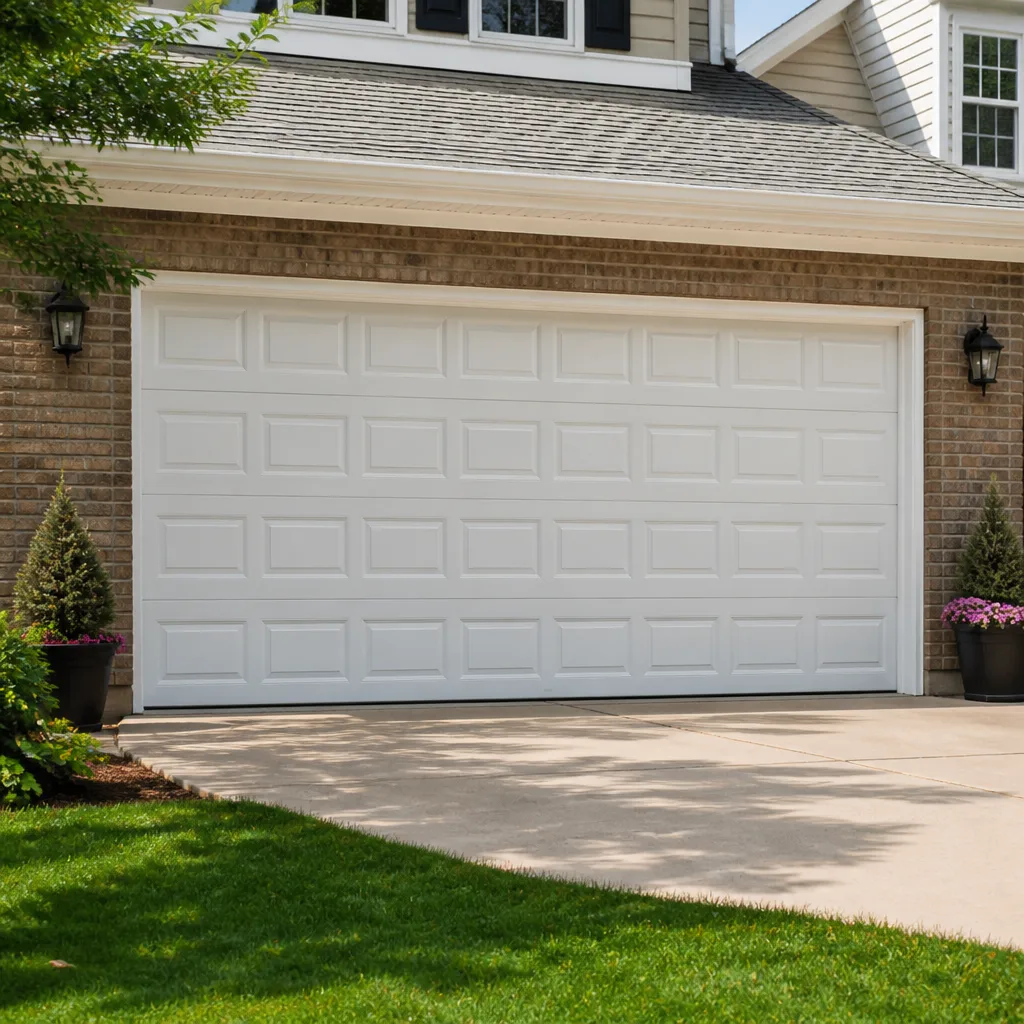 Raised-panel steel
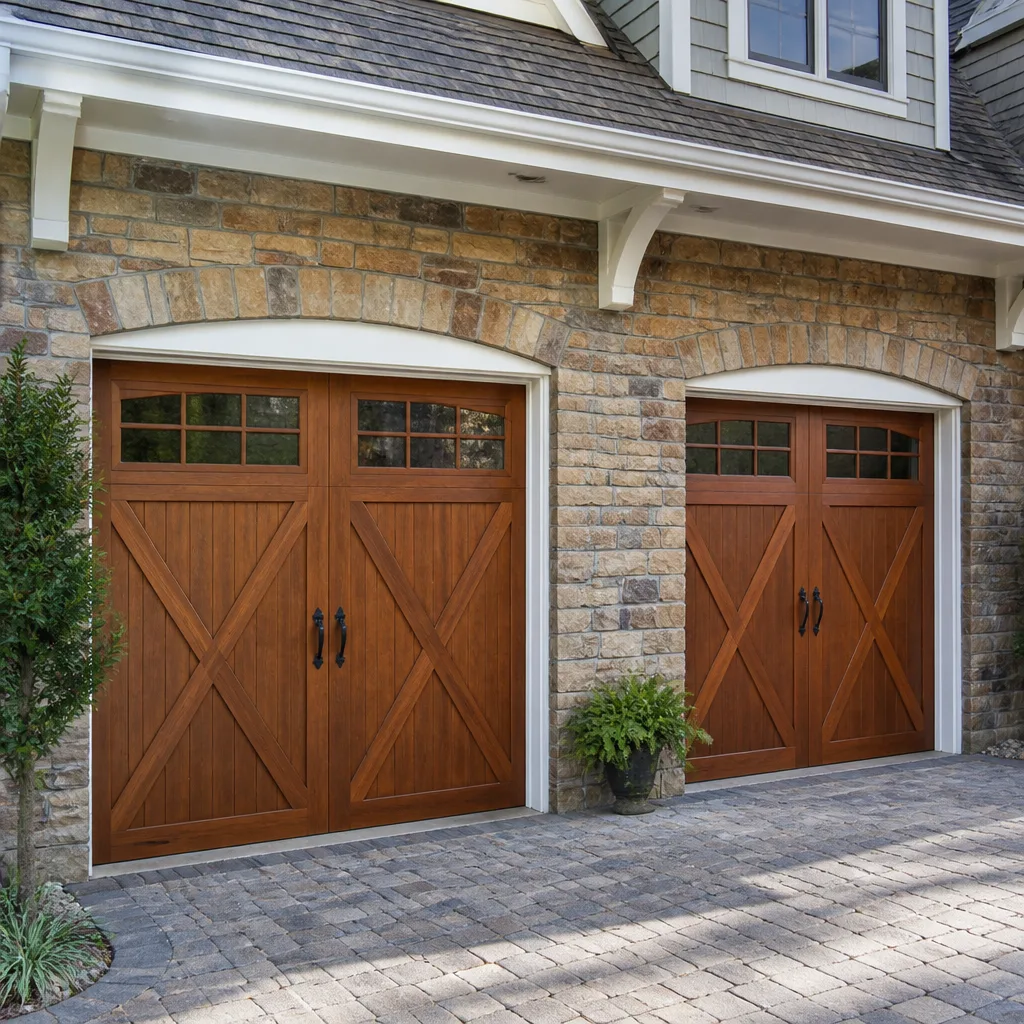 Carriage house
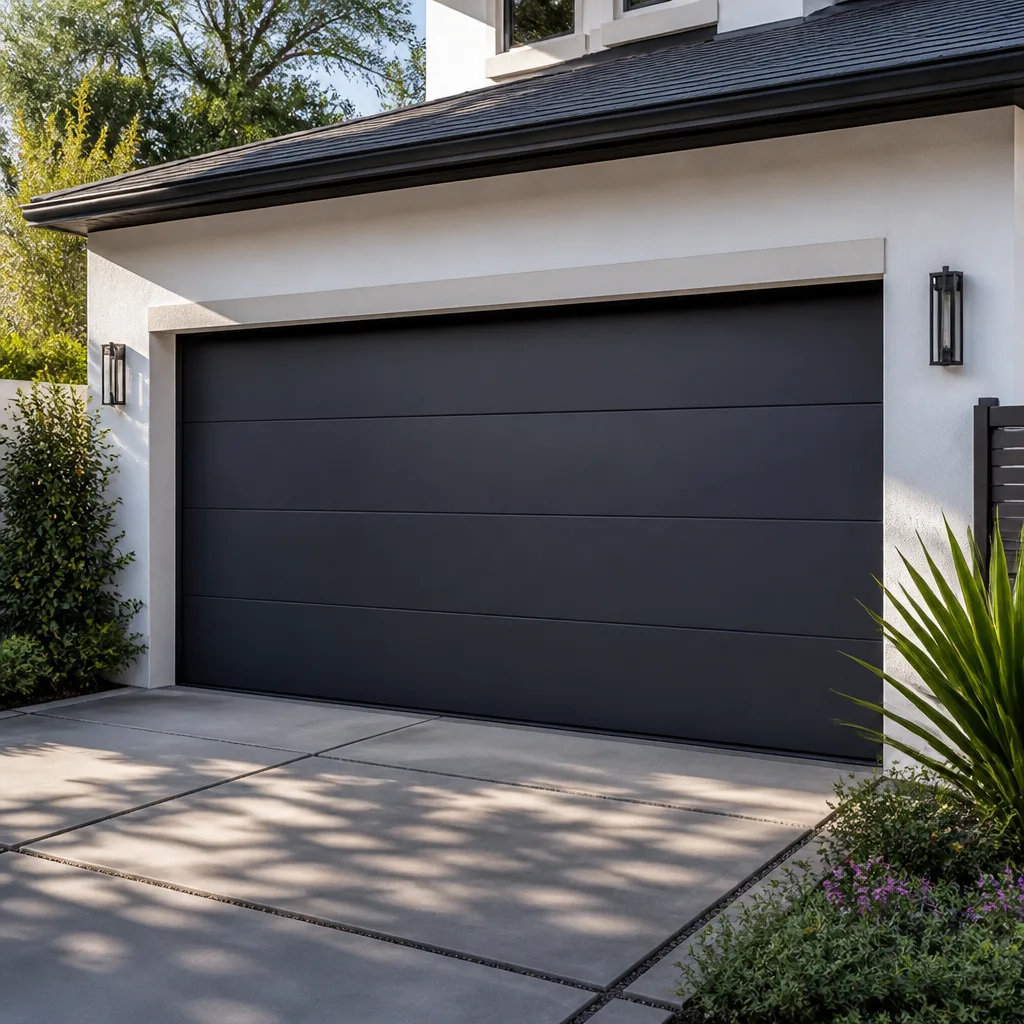 Modern flush
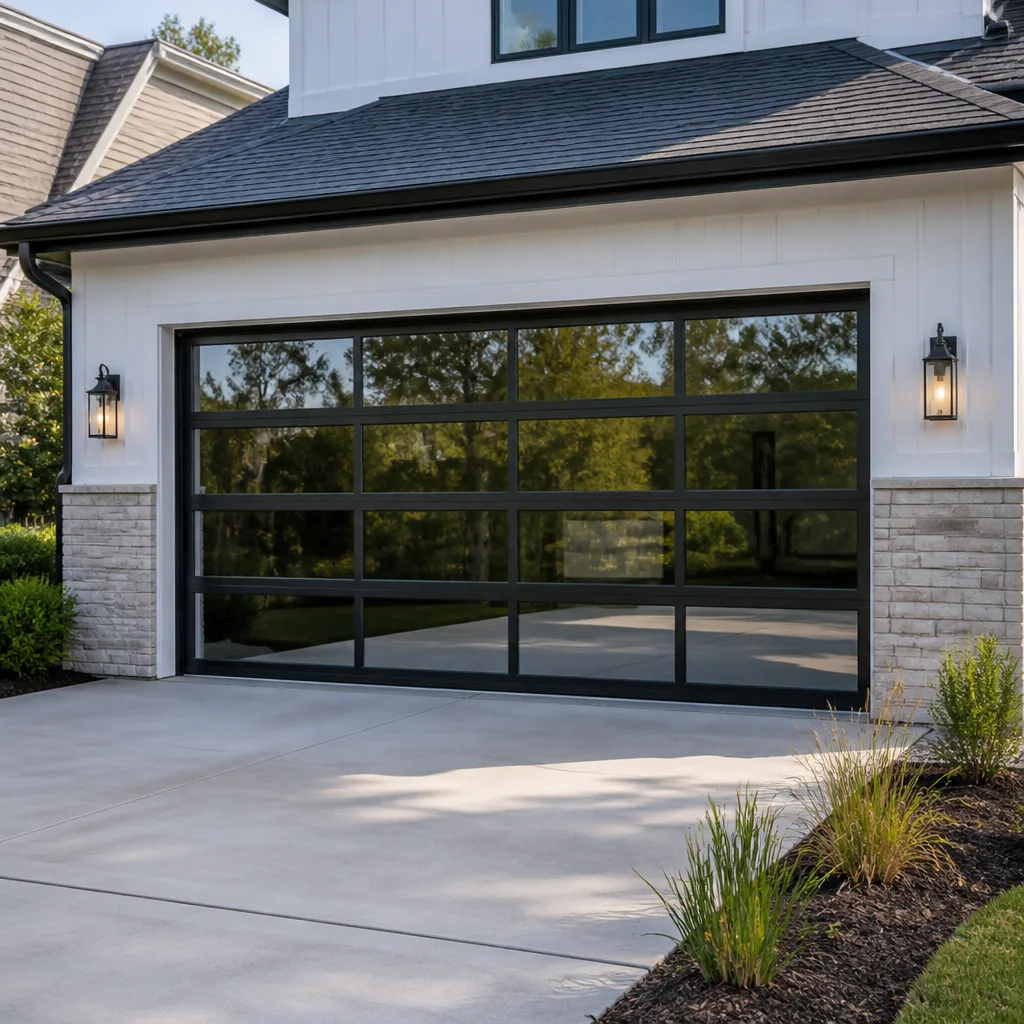 Full-view glass
 LiftMaster openers
 Chamberlain openers
Full 25-point door and opener safety check with every visit - springs, cables, rollers, tracks, and your LiftMaster or Chamberlain opener included
You get a price before we start. It does not change when the pro arrives.
Get your free estimateSeasonal Garage Door Care for Brighton: Year-Round Homeowner’s Guide
Most homeowners treat garage door maintenance like a winter chore. They wait for the first cold snap, then scramble to grease a track or wrestle with a stiff seal. That’s backwards. In Brighton, the damage that shows up in November is usually set months earlier, in late summer and early fall, when UV exposure, humidity-swollen wood panels, and dried-out rubber seals quietly line up the failures that cold weather exposes. By the time you hear a grind or a rattle, the problem has been building for weeks. This guide breaks the year into seasons and tells you which part of your door and opener deserves attention in each one, so you’re not applying the same generic checklist in April and October. Our technicians have up to 15 years of experience, and we’ve seen how these seasonal cycles play out in Brighton’s climate.
Quick Answer
In Brighton, garage door care should rotate with the seasons rather than repeat the same checklist year-round. Spring is for inspecting freeze-thaw and corrosion damage left by winter, summer is for watching UV degradation, wood-panel moisture, and opener heat, fall is when you replace weatherstripping and the bottom seal before cold sets in, and winter is for careful handling of frozen seals and slow-moving openers. The single most important pre-winter task is replacing a worn bottom seal and perimeter weatherstripping.
Styles & brands we work with
- Raised-panel steel
- Carriage house
- Modern flush
- Full-view glass
- LiftMaster openers
- Chamberlain openers
Table of Contents
- How Brighton’s seasons stress your door in different ways
- Spring: reversing the damage winter leaves behind
- Summer: UV, humidity, and heat-stressed openers
- Fall: the most important pre-winter prep task
- Winter: frozen seals and slow openers
- Why Brighton’s proximity to the water matters
- The Brighton year-round checklist
- What your brand needs and where to get parts
How Brighton’s Seasons Stress Your Door in Different Ways
A garage door is a system, not a single product. The panels, the springs, the hinges, the rollers, the bottom seal, and the opener all fail differently depending on temperature, moisture, and sunlight. That’s why the same advice doesn’t apply twelve months a year. A maintenance item that matters most in March is often useless in September, and the reverse is also true.
Brighton sits close enough to the water that its summers and winters behave a little differently from towns further inland. That means the seasonal stress on your door isn’t identical to the stress on a door in Worcester. You’ll see it in how quickly springs pit, how badly wood panels swell and contract, and how often hinges start to feel stiff.
What all this means for you is that year-round care is mostly about rotation. Here’s the rough pattern:
- Spring (March-May): Inspect and reverse winter damage from freeze-thaw cycles and corrosion.
- Summer (June-August): Watch for UV damage to painted steel panels, wood moisture expansion, and heat affecting attic-mounted openers.
- Fall (September-November): Replace weatherstripping and bottom seal before cold weather arrives – this is the highest-priority task of the year.
- Winter (December-February): Handle frozen bottom seals carefully, and understand what a slow opener in cold temperatures actually means.
Once you start thinking about your door in seasons, most of what happens to it stops being surprising. A rusty hinge in May, a stiff seal in January, a sluggish opener in July – these are each the predictable result of what the prior season did.
Spring: Reversing the Damage Winter Leaves Behind
Spring is the season for undoing what winter did. Freeze-thaw cycles are the main culprit. When water gets into small gaps, cracks, or crevices around hinges and the bottom seal, it freezes overnight, expands, and then thaws. Repeat that several dozen times over a New England winter and seams you could barely see in November open into gaps that matter.
Here’s how to spend the spring season once the ground thaws and the mornings stop freezing:
- Walk the whole door slowly while it’s closed. Look for paint blisters, small dents in the panels, and dark streaks near hinges.
- Check every hinge and roller bracket for rust. Rust in Brighton tends to start at the hinges and roller stems before spreading to the springs.
- Test the balance of the door manually. With the opener disconnected, lift the door to about halfway and let go. A balanced door should stay roughly where you put it. If it slams down or drifts, the springs are the likely cause.
- Listen to the opener. A new rattle or grind in the mechanism, especially first thing in the morning after a cold night, is an early warning.
Pay attention to the bottom seal in spring. Freeze-thaw cycles often crack the seal along the edge where it meets the concrete, and that crack becomes a summer entry point for water, insects, and debris. If you’re noticing daylight under the door or water pooling inside after a storm, the seal needs attention sooner rather than later.
Spring is also a sensible time to book routine garage door repair if you have small issues, because the season is mild enough that work usually turns around quickly and you’re not racing cold weather.
Don’t try to adjust or replace torsion springs yourself. Springs are under extreme tension, and a slip can cause serious injury. Anything beyond a visual check should go to a trained technician.
Summer: UV, Humidity, and Heat-Stressed Openers
Summer is when a lot of Brighton garage doors quietly get worse. It isn’t dramatic. It’s the slow fade of painted steel and the slow expansion of wood panels and the slow heat damage to an attic-mounted opener. All three fail quietly in July and August, then show up loudly in October and November.
UV exposure on painted steel
Steel panels that face south or southwest take the most sunlight. Over a season, the paint film on those panels loses some of its flexibility, and micro-cracks can form. Once the paint is compromised, moisture gets under it and starts working on the steel. Faded panels along one side of a door are a sign of uneven UV exposure, not just uneven paint.
Wood panel moisture expansion
Wood expands and contracts with humidity. Summer in Brighton is humid enough that wood panels can swell by noticeable fractions of an inch at the seams. When September cools the air and pulls moisture back out, the swelling reverses, and the seams that seemed tight in August now show tiny gaps. If your door has wood panels, check the seams in July and again in October – the difference will tell you how much movement the door has been doing.
Opener heat sensitivity
Attic-mounted openers run hotter than garage-mounted units because the attic can get much warmer than the garage itself in July. When an opener overheats, it can behave strangely – running a bit longer than it should, stopping slightly short, or slowing down on the return trip.
If your opener seems off in the heat but fine in the morning, that’s often heat buildup rather than a failing motor. If it persists after the cool nights return, that’s a signal to have the unit looked at. Our team handles garage door opener repair across all the major brands, including LiftMaster and Chamberlain, so you’re not sent somewhere else when the diagnosis involves the motor or the logic board.
Summer is also the season where the bottom seal takes its biggest beating. Hot asphalt and concrete in direct sun can stick to older rubber and pull the seal away from its channel. If your seal is starting to feel soft or has a sticky feel, plan to replace it in fall.
Fall: The Single Most Important Pre-Winter Task
If you do one thing this year, make it this: replace a worn bottom seal and perimeter weatherstripping before the first consistent cold snap in Brighton. That single task does more to protect your door, your garage, and your energy usage through winter than any other piece of maintenance. It isn’t glamorous. It’s just the highest-value item on the list.
Here’s why it matters so much. The bottom seal is the door’s contact point with the floor, and the perimeter weatherstripping is its contact point with the frame. Together they’re the entire barrier between heated garage air and cold outdoor air. When either one is worn, cracked, or stiff, cold air enters, warm air escapes, and any rain or snow that hits the door finds a way inside. That moisture then sits in the garage and re-freezes overnight.
A practical fall sequence:
- Inspect the bottom seal for tears, stiffness, and gaps at the ends. Push on it with a thumb. If it doesn’t spring back, it’s past its usefulness.
- Check the perimeter weatherstripping at all four edges. The vertical strips on either side and the top strip often fail before the bottom does.
- Replace both as a set. A new bottom seal and new perimeter stripping together do what either one alone can’t.
- Clean and lightly lubricate the tracks and hinges. A light silicone or lithium spray on the hinges and rollers keeps movement smooth and discourages rust.
- Book a balancing check if the door has felt heavy or off all year. Springs are best serviced before the cold.
On the specific products: look for a bottom seal that matches the door’s channel profile exactly. Clopay, Amarr, Wayne Dalton, and Raynor all use slightly different profiles, and forcing the wrong seal into a channel leads to gaps and premature wear. Perimeter strips should be a soft rubber or vinyl that stays flexible in cold temperatures, not a rigid material that cracks in January. If choosing the right profile seems unclear, our parts service exists for exactly this reason. We source components for the same brands we repair, so you get the right part for your door.
Winter: Frozen Seals and Slow Openers
Winter in Brighton brings two garage door problems that deserve their own conversation: a frozen bottom seal and a slower-than-usual opener. Both are common, and both are easy to make worse by handling them the wrong way.
The frozen bottom seal
When a bottom seal freezes to the concrete floor, the wrong response is to hit the opener and force the door up. That pulls the seal away from its channel, tears the seal, and can stress the bottom panel. Instead:
- Disconnect the opener if possible. Most openers have a manual release cord.
- Warm the seal gently with a hair dryer on low, moving it along the length. Don’t use a heat gun or a torch. Too much heat warps the rubber and can damage the finish on the bottom panel.
- Once released, lift the door manually to check movement. If the door is still stuck, there may be ice under the panel, not just on the seal.
- When it’s free, dry the seal and the floor where they meet, then plan a seal replacement in spring if the seal is stiff or cracked.
The slow opener
Cold temperatures thicken the lubricant inside the opener’s gears and rails, which makes the door move a little slower in winter. A slight slowdown on a cold morning is normal. What isn’t normal is a door that stutters, stops partway, or reverses on its own in the cold. Those signs usually point to a limit setting that needs adjustment, a stiff track, or a component starting to fail. None of that is a “wait until spring” problem.
If the door hasn’t been serviced in a while and the winter makes its issues obvious, the cold months are still a fine time to book garage door repair. Cold is a good diagnostic – the door tells you what’s wrong when everything is at its stiffest.
Why Brighton’s Proximity to the Water Matters for Springs and Hinges
Brighton sits close enough to the harbor and the bay that its air carries more moisture than towns twenty miles inland. That difference shows up on metal parts. Springs and hinges corrode faster in Brighton than they do in inland Massachusetts towns, at least on doors that aren’t actively protected against it.
What corrosion does to a spring is subtle until it isn’t. A torsion spring works by twisting thousands of times across its lifespan. Each twist puts stress on the steel. Rust that forms on the surface starts to pit the steel, and pitting creates stress points where the spring eventually fatigues and breaks. In dryer inland towns a spring might last noticeably longer than the same spring in Brighton. That’s not a sales argument – it’s a basic materials reality of living near a body of water.
Hinges show the same pattern. If you want to slow it down, keep hinges lightly lubricated and keep the interior of the garage dry. A door that gets rained on from the outside and left humid on the inside corrodes much faster than one that stays dry.
If your door is showing early corrosion, we handle garage door repair for hardware failures, and one of the most common things we catch is corrosion that hasn’t yet turned into a break. Catching it early is usually cheaper than catching it after a spring lets go. If you’re also considering a full replacement rather than repair, that’s a different conversation, and we cover it under garage door installation.
The Brighton Year-Round Checklist
If you want a single working list to carry through the year in Brighton, this is it. Each item is placed in the season where it actually does the most good, not where it’s most convenient.
- March-April: Walk the door on a closed cycle. Look for rust, dents, and cracks in the bottom seal. Test balance with the opener disconnected.
- May: Lubricate hinges, rollers, and the torsion spring lightly. Book any repair that’s been nagging since winter.
- June-July: Look for UV fading on sun-facing panels. Check wood-panel seams for swelling. Pay attention to how the opener behaves in hot weather.
- August: Note any seal softness or sticking under the door. Check the perimeter weatherstripping for early signs of wear.
- September-October: Replace the bottom seal and perimeter weatherstripping. This is the highest-priority task of the year.
- November: Lubricate hinges and tracks before the cold. Have the opener serviced if it’s shown any oddities.
- December-February: Handle frozen seals with a hair dryer and manual release, never with the opener. Watch for a stuttering opener that doesn’t clear up in milder weather.
Two additional notes. First, if your door is automatic, test the safety reverse at each seasonal check – place a small object under the closing door and confirm it reverses. Second, keep a note of anything that changes in how the door sounds or moves. Patterns across seasons tell you far more than any one observation.
What Your Brand Needs and Where to Get the Right Part
Different brands of doors and openers have different service needs. Craftsman and LiftMaster openers share many internal parts and have similar service procedures, which makes diagnosis straightforward. Chamberlain openers share lineage with LiftMaster too. Raynor doors, on the other hand, use their own panel and hardware profiles, and getting the right bottom seal is more brand-sensitive than you’d expect.
This is where the parts conversation matters. If your door is a Clopay, an Amarr, a Wayne Dalton, or a Raynor, and you need a replacement bottom seal, hinge, roller, or weatherstripping, the wrong part leads to gaps, strain, and premature failure. Our team keeps parts supply as a core service because the right part is the difference between a fix and a repeat problem. We work with the eight major residential brands – LiftMaster, Chamberlain, Genie, Clopay, Amarr, Wayne Dalton, Craftsman, and Raynor – so the door in your home is already familiar to us before we open the toolbox.
The right part, the right fix, the first visit. That’s the goal. If your door is showing a problem the seasons have exposed and you want it diagnosed properly, the fastest way to sort it out is a call. We’ll give you an honest read on whether it’s a repair, a replacement part, or a full garage door installation, and you can decide from there.
Common Mistakes to Avoid
- Applying the same checklist all year. A maintenance list that works in April often misses the biggest pre-winter issue in October. Rotate your attention by season rather than repeating the same chores.
- Waiting until the first cold snap to replace a bottom seal. By the time cold weather arrives, the seal is already frozen and stiff, and the install is harder. Replace it in early fall in Brighton, when the seal is still soft and the temperatures are mild.
- Forcing a frozen door open with the opener. The opener is strong enough to tear the seal, bend the bottom panel, or burn out the motor. Always release the door manually and warm the seal gently first.
- Ignoring summer UV fading until the paint peels. Once paint fails, moisture gets under it and starts rust. Address the fade before it becomes a rust spot.
- Using grease or heavy oil on roller stems and hinges. Heavy lubricants attract dust, and the mix turns gritty. Use a light silicone or lithium spray instead.
- Trying to adjust torsion springs or hinge hardware without training. Springs are under extreme tension, and a slip can cause serious injury. This is one of the few garage door tasks that genuinely belongs to a trained technician.
- Buying a generic bottom seal that “looks close.” Brighton doors include Clopay, Amarr, Wayne Dalton, and Raynor profiles, and they don’t interchange cleanly. A near-match leads to gaps and future water problems.
See the difference
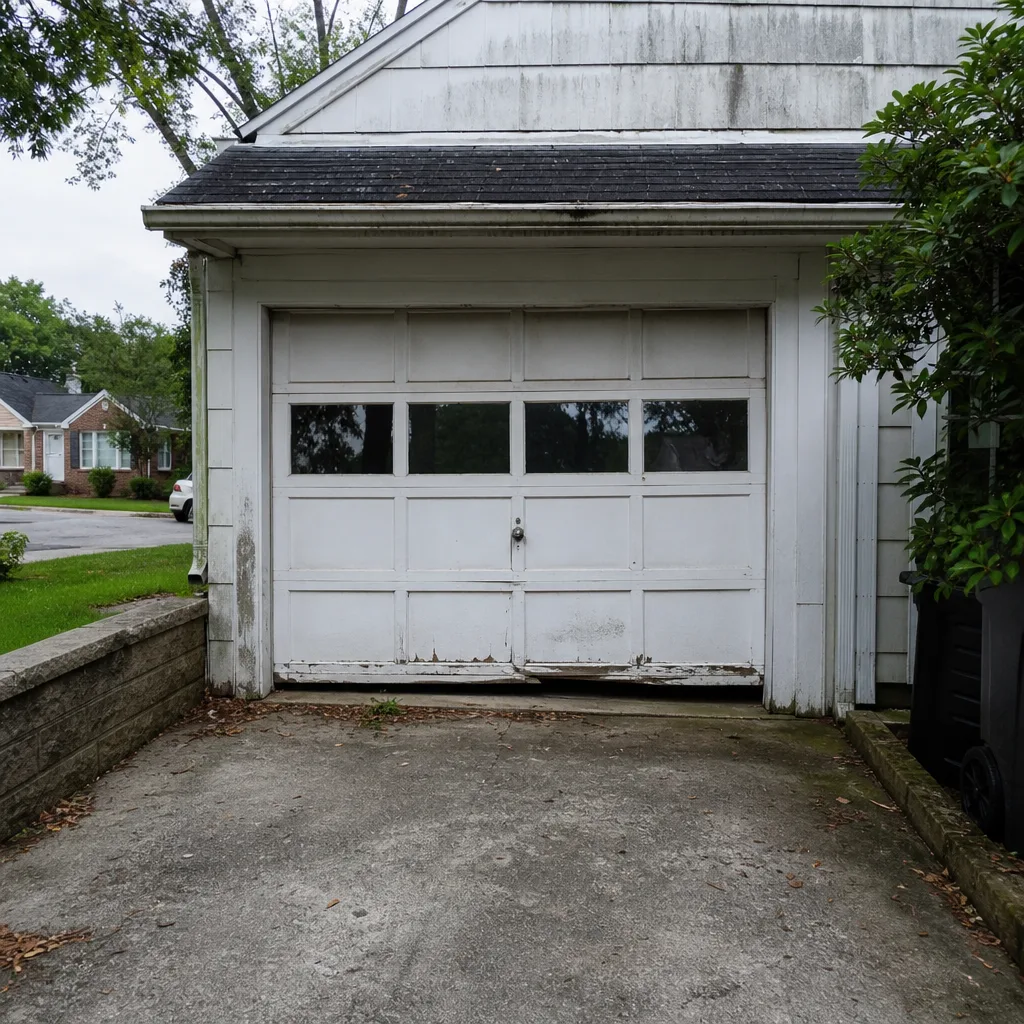 Before
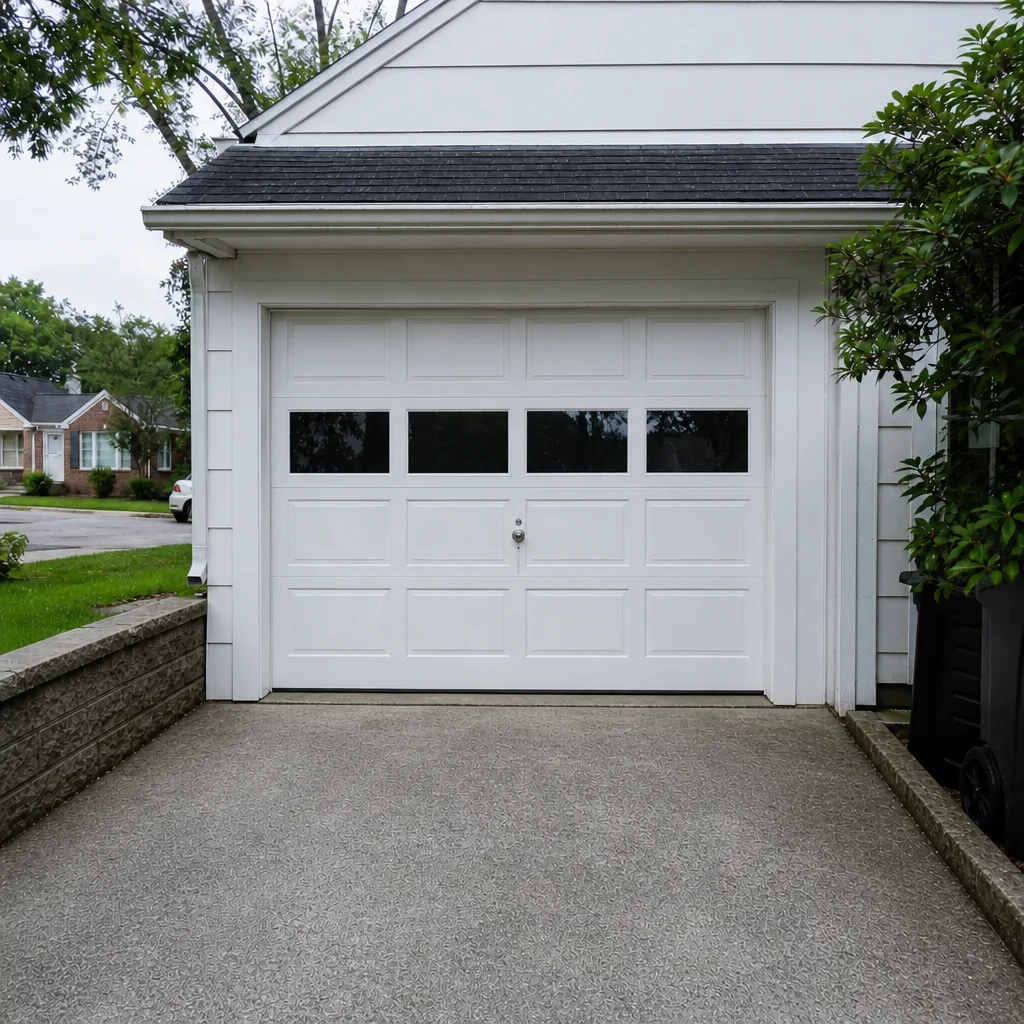 After
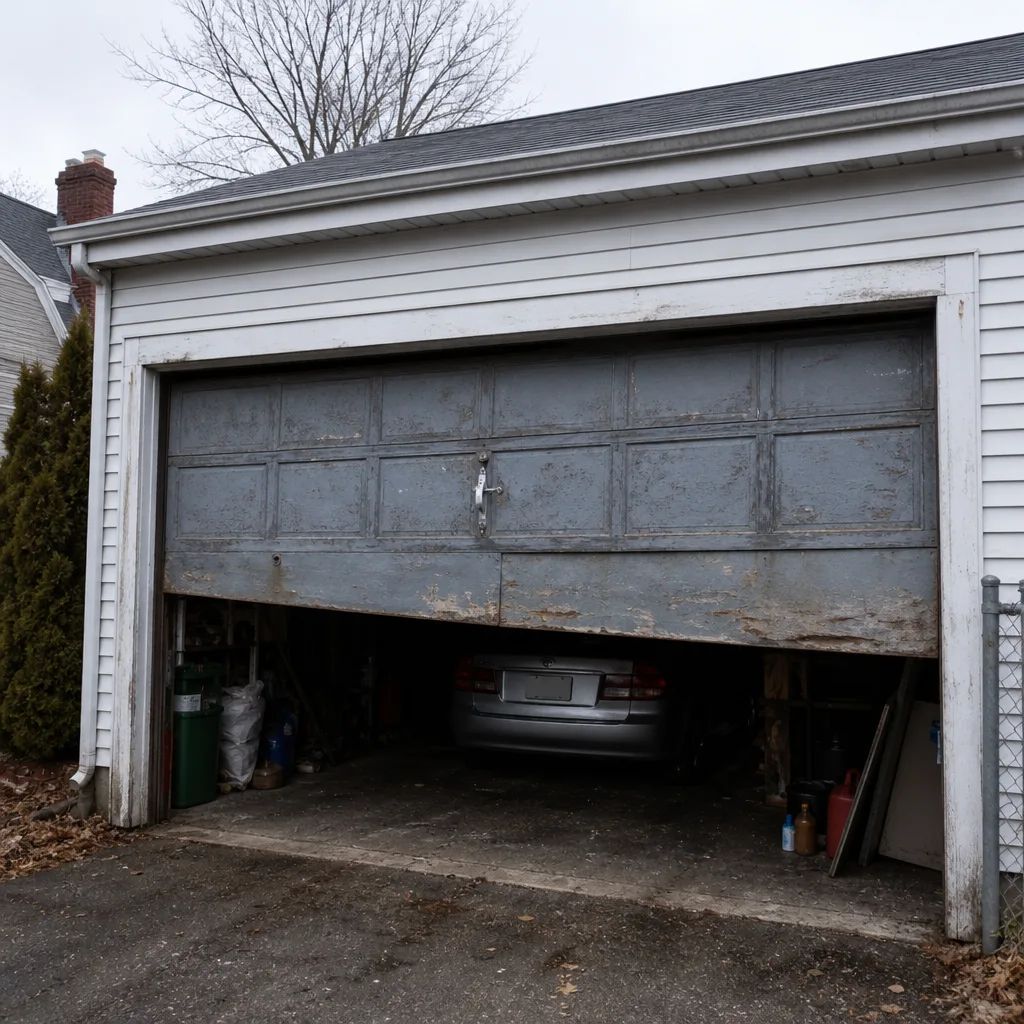 Before
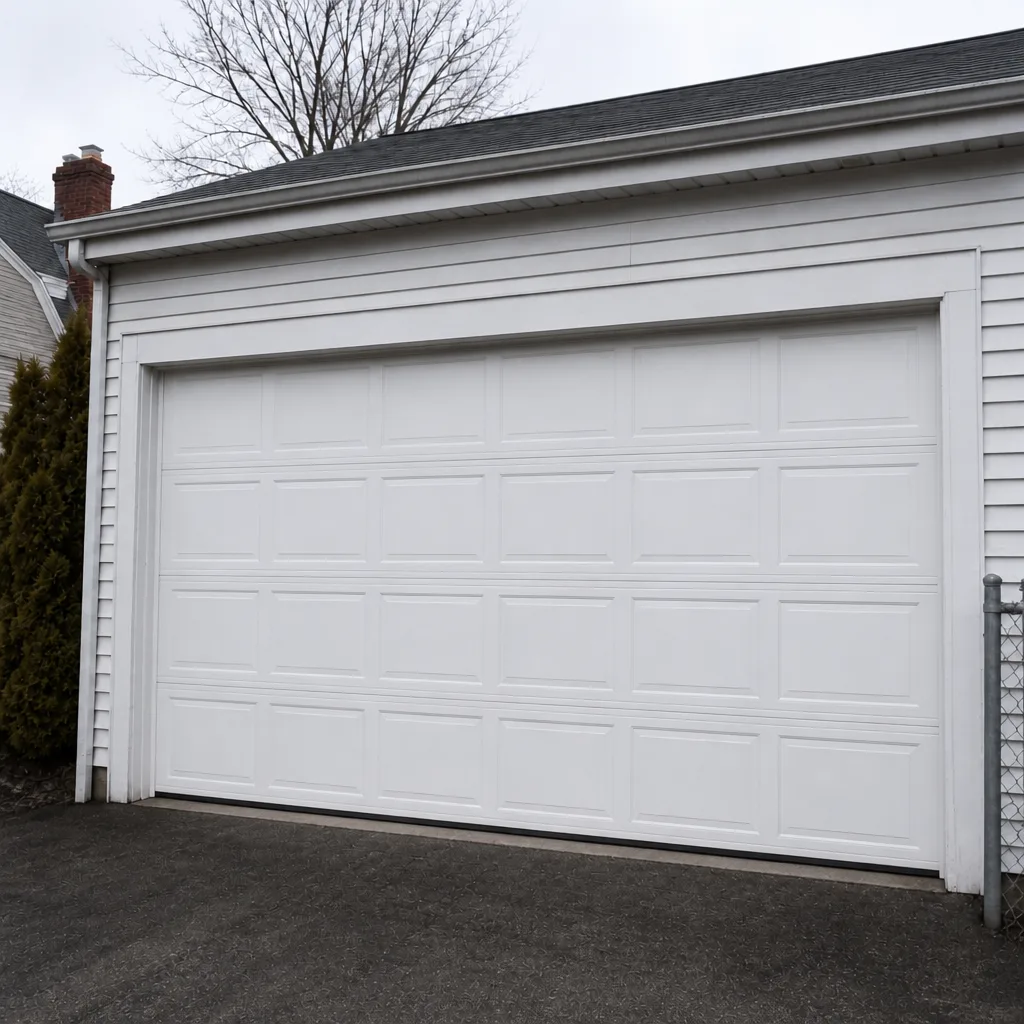 After
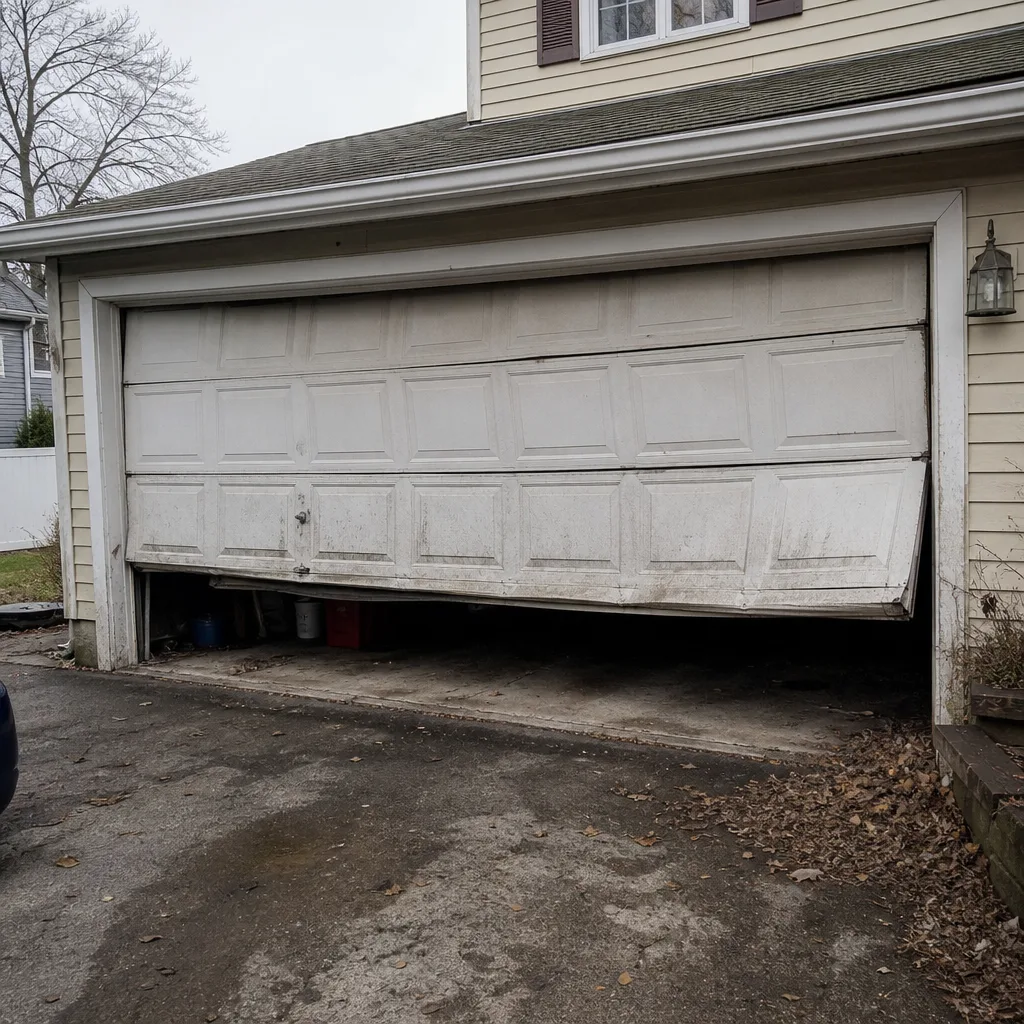 Before
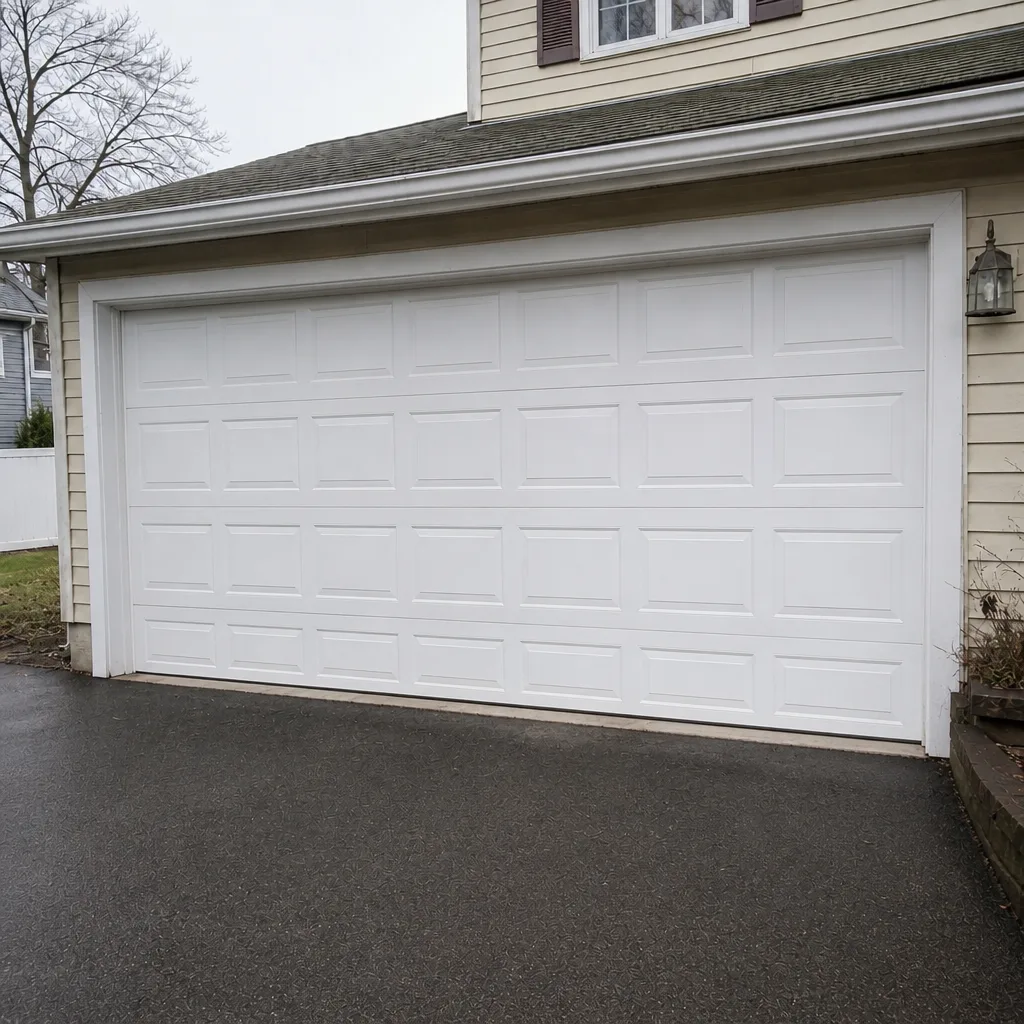 After
When to Call a Professional
Some seasonal maintenance is fine to do yourself: cleaning tracks, lubricating hinges, replacing weatherstripping, and checking balance. Other tasks should go to a trained technician every time – anything involving torsion springs or extension springs, anything that requires adjusting the opener’s limit or force settings, and any repair involving the door’s structural panels. If a frozen seal has torn or the bottom panel has been bent, call rather than trying to force it back into place. If a spring has visibly corroded or the door has become noticeably harder to lift, that’s a safety issue. If an opener has begun to stutter or reverse unexpectedly, that’s a priority diagnosis, not a spring prep item. Brighton Garage Door Repair Pros offers free estimates in Brighton – call (877) 492-3662.
Frequently Asked Questions
Replacing a worn bottom seal and perimeter weatherstripping in early fall. This single task does more to protect the door and the garage through winter than anything else on the list, because it’s the barrier that stops cold air and moisture at the door frame. If your seal is stiff, cracked, or soft, replace it before the first consistent cold snap. For a free estimate on seal replacement or any related repair, call (877) 492-3662.
Cold thickens the lubricant inside the opener’s moving parts, which makes the door move a bit slower. A slight slowdown on a cold morning is normal. A stuttering opener, one that stops partway, or one that reverses on its own is not normal – that points to a limit setting, a stiff track, or a failing component. Have it diagnosed rather than waiting for it to fail completely. Call (877) 492-3662 for an estimate.
Release the door from the opener using the manual release cord, then warm the seal gently with a hair dryer on low, moving it along the length. Never force the door up with the opener and never use a heat gun, a torch, or hot water. Once it’s free, dry the seal and check for cracks – a stiff or cracked seal will freeze again, and it’s usually time to replace it. If the seal is already torn, call (877) 492-3662 for a replacement estimate.
The air in Brighton carries more moisture than it does in towns further inland, which accelerates corrosion on springs and hinges. Corrosion pits the surface of the spring steel and creates stress points where the spring eventually fatigues. Keeping hinges lightly lubricated and the garage dry slows the process. If a spring is visibly rusted or the door has become hard to lift, don’t wait – call (877) 492-3662 for a diagnostic visit.
Replacement makes sense when the door is showing repeated failures across multiple seasons – continuous corrosion on hardware, panels that have lost structural integrity, or multiple repairs in a year that add up to more than a replacement would cost. Seasonal repairs extend the life of a door that’s fundamentally sound. If your door needs diagnosis to decide between repair and replacement, call (877) 492-3662 for a free estimate.
The local professionals we connect you with are licensed and insured as their state requires. Our technicians have up to 15 years of experience, and the trade itself is one we focus on exclusively – garage doors, openers, springs, and parts are all we do. For a free estimate on any seasonal care item or repair, call (877) 492-3662.
The Bottom Line
Brighton’s seasons change which part of your garage door system needs attention, not just how often it needs attention. Spring is for reversing winter’s damage, summer is for watching UV and humidity, fall is for replacing the bottom seal and weatherstripping, and winter is for handling frozen seals and slow openers carefully. The biggest single mistake is treating maintenance as a year-round repeat of the same checklist. Match your effort to the season, keep an eye on corrosion in a town this close to the water, and let a trained technician handle anything involving springs, opener limits, or structural panels. That’s the difference between a door that quietly ages well and one that surprises you in November.
Call for a Free Estimate
If seasonal wear has turned into a repair you’ve been putting off, or you want an honest look at your door before the next season starts, call Brighton Garage Door Repair Pros at (877) 492-3662 for a free estimate. We handle Brighton Garage Door Repair Pros, garage door repair, garage door opener repair, and garage door installation across Brighton, and we’ll give you a clear read on what your door actually needs. Garage doors are all we do.
Written by the team at Brighton Garage Door Repair Pros.