Last updated November 21, 2026
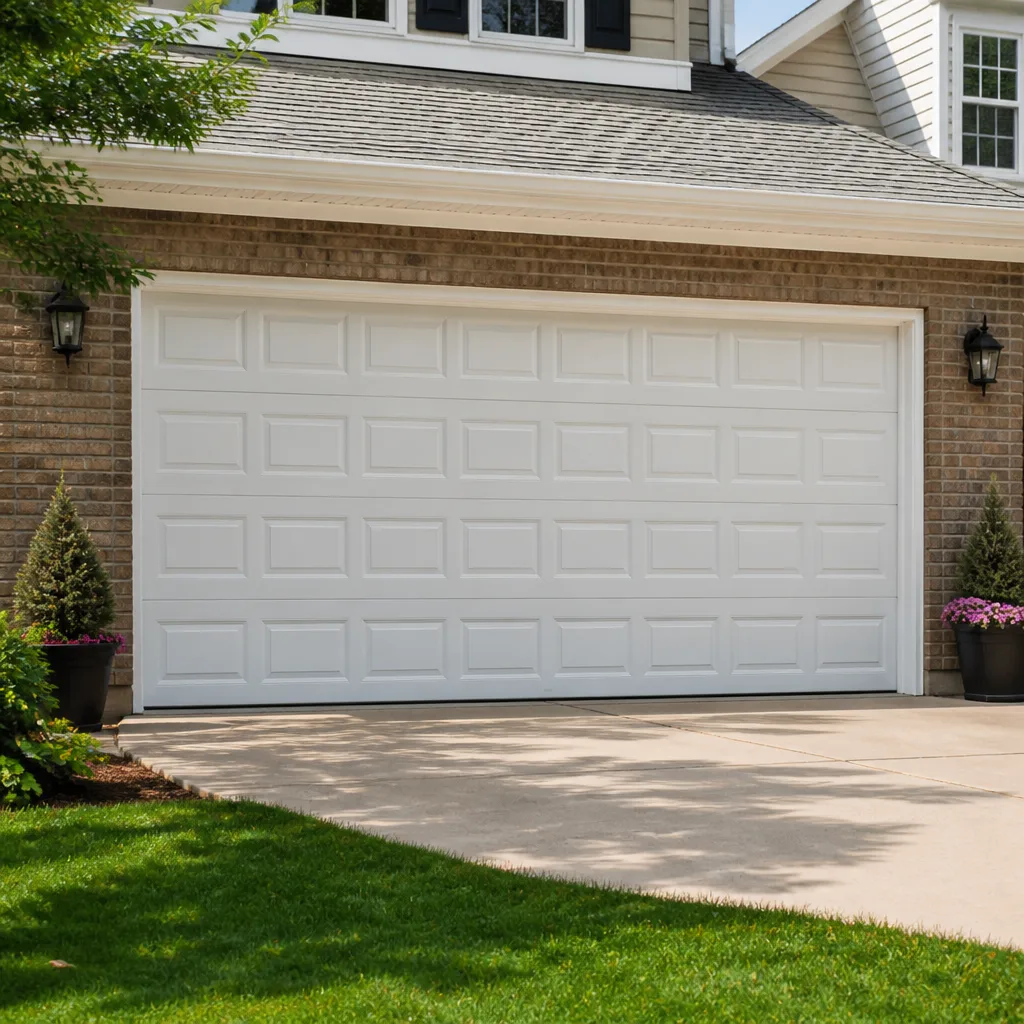 Raised-panel steel
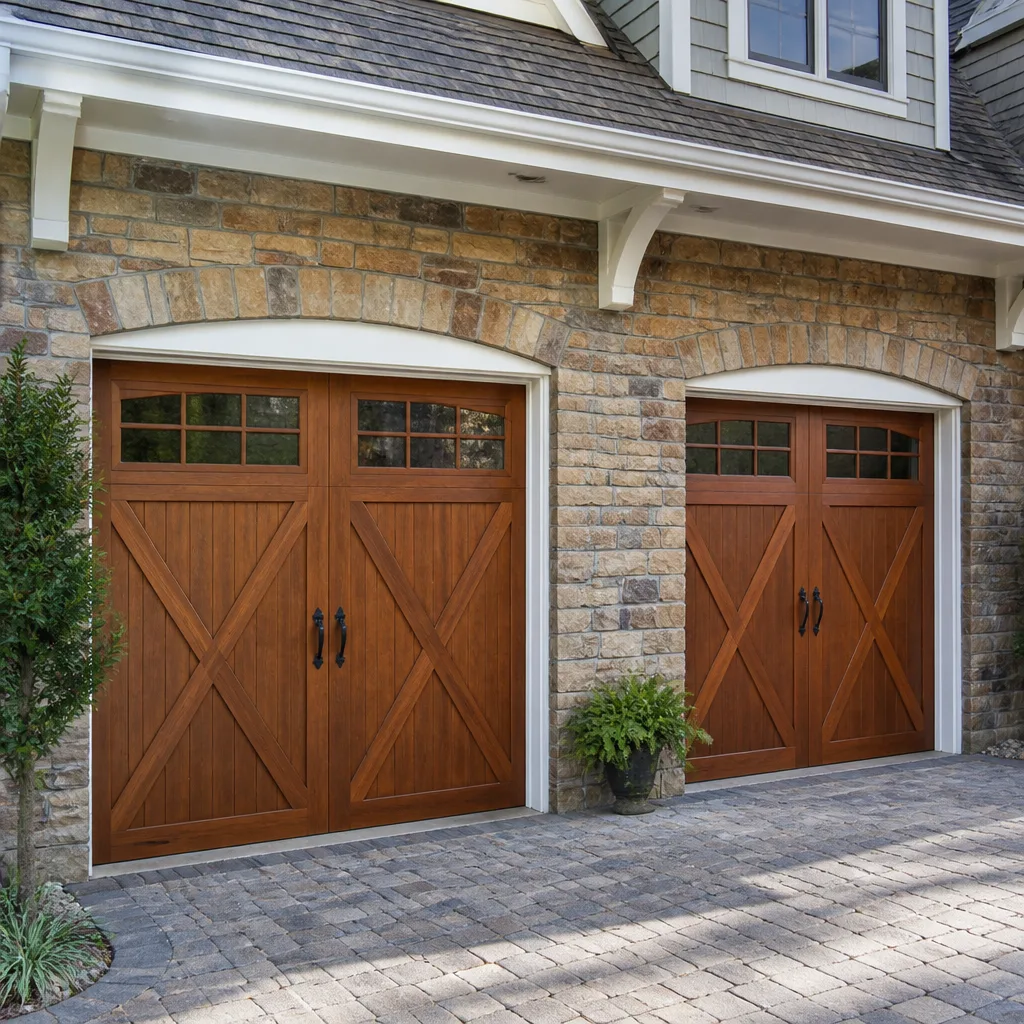 Carriage house
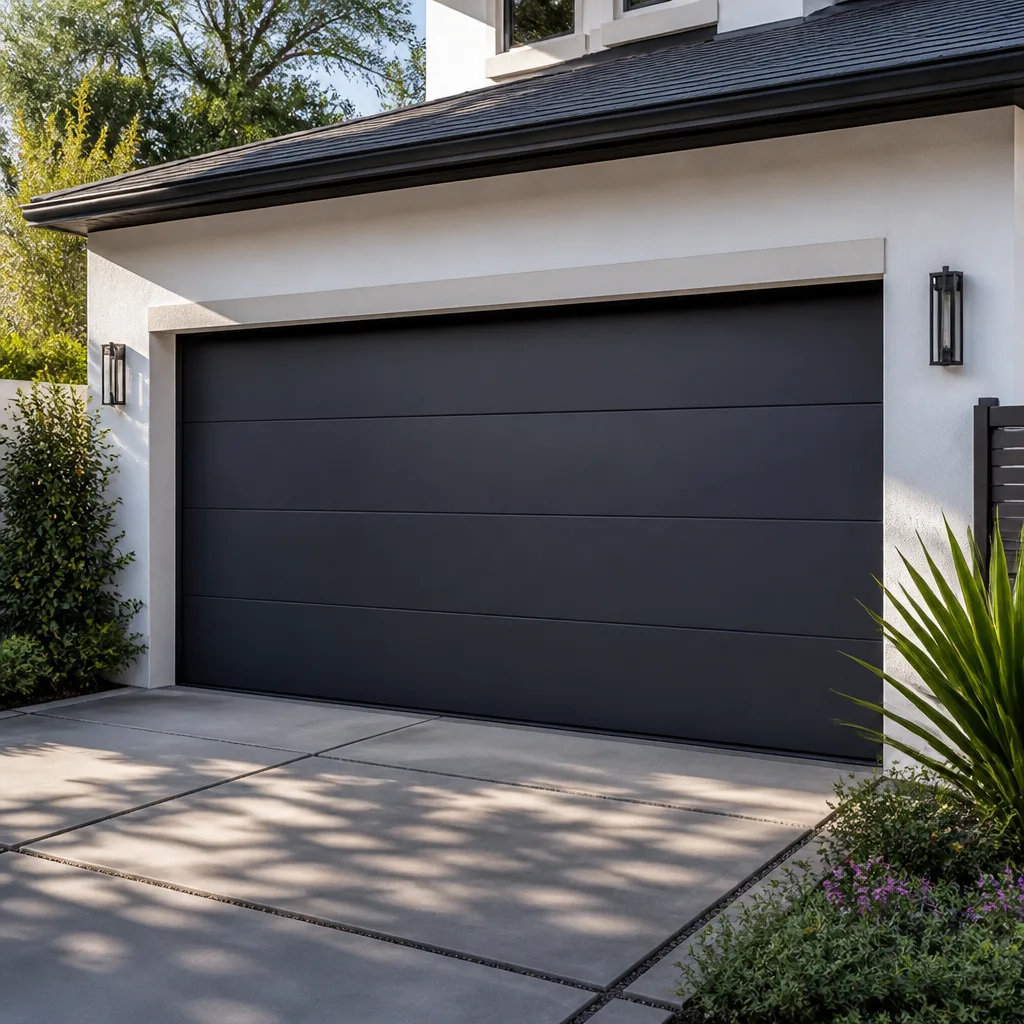 Modern flush
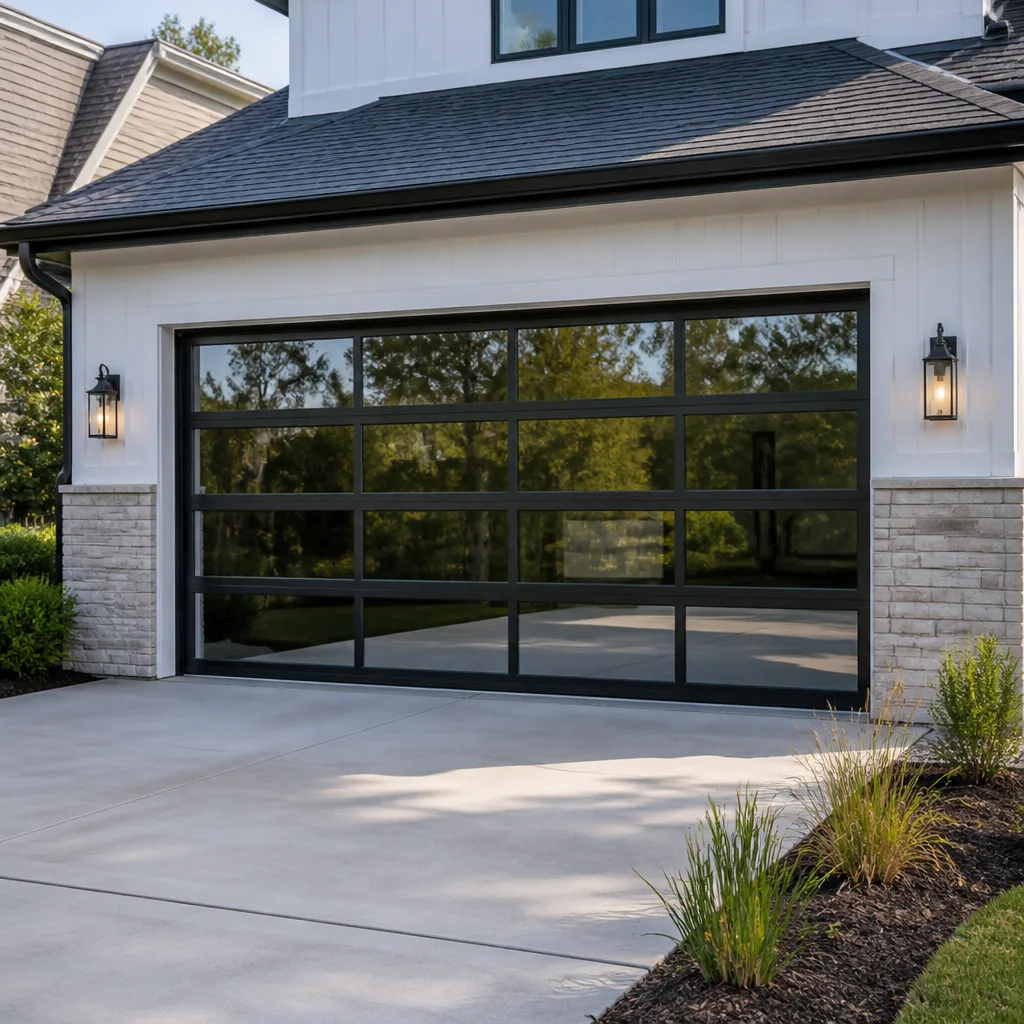 Full-view glass
 LiftMaster openers
 Chamberlain openers
Full 25-point door and opener safety check with every visit - springs, cables, rollers, tracks, and your LiftMaster or Chamberlain opener included
You get a price before we start. It does not change when the pro arrives.
Get your free estimateGarage Door Repair Maintenance Checklist for Brighton Homeowners
Most garage door advice tells you to lubricate twice a year and call it done. That schedule was written for a national average, not for a door in Brighton. The reason so many doors here start screaming in January is a four-minute task that got skipped in October – and it has almost nothing to do with how often you use the door. This checklist is built around how door hardware actually ages in Brighton’s freeze-thaw winters, wet springs, and the high daily cycle counts that come with driveways and street parking on tight lots. You’ll learn which parts fail first, when to check them, and what the results tell you about the life left in your system.
Quick Answer
A working garage door maintenance checklist for Brighton should be timed to the seasons, not to a manufacturer’s generic interval. Inspect rollers, hinges, and weatherstripping every October before the first freeze, re-lubricate moving parts and check spring tension in April after the last thaw, and test the safety reverse and balance once a month year-round. Springs, cables, and torsion hardware are not DIY territory – a visual check is fine, a manual adjustment is not.
Styles & brands we work with
- Raised-panel steel
- Carriage house
- Modern flush
- Full-view glass
- LiftMaster openers
- Chamberlain openers
Table of Contents
- Why Brighton Doors Fail on a Seasonal Schedule
- The October Checklist: What to Do Before the First Freeze
- The April Checklist: What to Do After the Last Thaw
- The Right Lubricants for Massachusetts Freeze-Thaw Cycling
- How to Test Spring Tension Safely (Without Tools)
- Weatherstripping Checks for Older Brighton Door Frames
- Monthly Five-Minute Checks Any Homeowner Can Do
- The Full 12-Month Garage Door Calendar
Why Brighton Doors Fail on a Seasonal Schedule
Garage door hardware is a tension system held together by grease and alignment, and both are sensitive to temperature swings. In Brighton, the temperature can swing 40 degrees within a few days in the shoulder seasons. Metal expands and contracts. The grease on a roller bearing thickens in cold and thins in summer heat. The wood frame around an older door moves slightly as moisture comes and goes. Each of those shifts is tiny, but they compound. A hinge loosens a quarter turn. A roller rides a fraction off its track. A spring stretches a hair more than it did last year. By the time the door starts grinding, three or four of these small shifts have stacked up.
That cycle is why we see certain failures repeat in Brighton homes on a predictable rhythm. Torsion springs tend to break on the coldest mornings because the steel is brittle and the door was either parked open in a storm or worked harder than usual the night before. Roller bearings seize in late summer when dust from leaf cleanup and street sand gets packed into the old grease. Weatherstripping dries and splits after a wet spring, then leaks cold air all winter and lets water pool against the door bottom. None of those failures are sudden. They’re the end of a slow process that a well-timed checklist interrupts.
Dense neighborhoods change the math too. On tighter lots with shared driveways, a door may cycle a dozen times a day between family members, deliveries, and pets. Higher cycles wear parts faster than the calendar alone would suggest. That’s a Brighton-specific reason to check hardware more often than the manual recommends, especially if your door is a Clopay or Amarr model that runs a lot on a heavy steel panel. If you’re not sure what your door is telling you, our garage door repair page covers the symptoms worth a service call.
The October Checklist: What to Do Before the First Freeze
October is the single most important month on the Brighton garage door calendar. Anything that’s worn but still working will be stressed harder by the first freeze. Do these tasks in order, and do them before the overnight temperature starts dipping below freezing on a regular basis.
- Lubricate every moving metal joint. Rollers, hinges, and the torsion shaft bearings get a proper lithium grease or a silicone-based lubricant – not WD-40, which is a solvent, not a lubricant. Grease holds up better against freeze-thaw than thin oil.
- Check and replace weatherstripping. Look at the rubber seal at the bottom of the door and the brush or rubber strips around the sides and top. Test by running your hand along the inside of the door with it closed – if you feel cold air coming in, the seal is failing.
- Inspect each roller and its bracket. Rollers should spin freely by hand. Any that grind, wobble, or have flat spots get swapped out before the cold.
- Tighten every hinge bolt. Hinges loosen over the summer. A quarter-turn on the bolts now avoids the wobbly, rattling door you’d otherwise hear all winter.
- Clear the tracks and check alignment. Wipe tracks with a dry cloth and look for dents or bends. A track that’s out of plumb by even a small amount will grind all winter.
- Test the safety reverse. Place a roll of paper towels under the closing door. It should reverse on contact. If it doesn’t, stop and call for help – a non-reversing door is a genuine safety hazard.
- Check your springs – visually only. Look for gaps or separation in a torsion spring coil, or stretch in an extension spring. Do not touch, unwind, or try to adjust anything.
Those seven tasks take under an hour and prevent most of the emergency repair calls we get in January and February. If you find a broken spring or a frayed cable during the visual check, that’s not a task to defer to a warmer weekend. Springs and cables are under enormous tension even when the door is down; leave them alone and call a technician.
The April Checklist: What to Do After the Last Thaw
Spring in Brighton is the reverse season. Winter has just finished hammering everything with cold, moisture, and grit, and now the freeze-thaw cycle is loosening whatever winter tightened. April is when you undo the damage and set the door up for the dry months.
- Re-lubricate all moving parts. The grease you applied in October has likely picked up grit and thinned out. Wipe off the old grease before applying new.
- Inspect weatherstripping for split, cracked, or peeling rubber. Winter drying and cold make rubber brittle. Any seal that’s cracked is letting water in at the moment when spring rain is most likely to reach the door bottom and the garage floor.
- Check the door for balance. With the door closed, pull the release handle to disconnect it from the opener. Lift it halfway by hand. It should hold. If it drifts down or springs back up, the spring tension is wrong – and that’s a job for a technician.
- Look at the bottom seal and side frames. Standing water against the door base over a wet spring is one of the fastest ways to warp a wood frame or start rust at the bottom panel of a steel door.
- Examine hinges for rust. Hinges and rollers at the bottom of the door take on the most moisture. Surface rust can be cleaned and re-greased; deep rust on a hinge means replace it.
- Test the opener’s force and travel limits. After the door is re-balanced, run the door through a full open-close cycle and listen for any grinding or hesitation. If the door runs fine by hand but struggles with the opener, the opener needs a service call.
April is also a good time to have an experienced eye on the whole system, since a season’s worth of wear has just accumulated. Our garage door opener repair page has a good rundown of the opener symptoms worth taking seriously, and it’s worth a look if your opener is a LiftMaster, Chamberlain, Genie, or Craftsman unit that’s been working hard all winter.
The Right Lubricants for Massachusetts Freeze-Thaw Cycling
Not every garage door lubricant holds up through a Brighton winter. The wrong product either thickens to a paste in the cold and starves the rollers, or melts off in summer heat and leaves a dry bearing behind. Here’s how the common options compare for our climate:
- White lithium grease – good, with one catch. It clings to metal and takes cold well, which makes it the safest default for hinges and roller bearings in this climate. The catch: it also attracts dust. If you use it, wipe and re-grease at least twice a year rather than once.
- Silicone spray – excellent for tracks and weatherstripping, too thin for bearings. Silicone doesn’t attract dust and won’t gum up. Use it on the rubber seal, the tracks, and any nylon roller surfaces. Don’t rely on it inside a roller bearing under load.
- Petroleum jelly – a shortcut that backfires. It seems to work for a few weeks, then it attracts every grain of grit and turns into a grinding paste on your rollers. Avoid.
- WD-40 as a lubricant – no. The standard blue can is a penetrating solvent and light oil, not a lasting lubricant. It displaces moisture and then evaporates. It’s fine for loosening a stuck bolt; it isn’t a maintenance product.
One more thing specific to our winters: after every significant snowfall, brush out the bottom track and the area around the bottom seal before you cycle the door. Packed snow and grit will wear a roller or weather seal faster than anything the mechanism itself does. For any garage door installation done in Brighton, we set up the new door with a proper lubrication schedule from day one.
How to Test Spring Tension Safely (Without Tools)
You can get a clear read on your springs’ remaining life without touching a spring. The trick is to test the door’s balance, which is the visible symptom of spring condition. Torsion and extension springs carry enough stored energy to cause serious injury if released – the only safe test is the door’s behavior, not the spring itself.
- Close the door fully. Make sure the garage is clear and nobody is standing near the door.
- Pull the opener release. This disconnects the door from the opener. The door should be disconnected and stay in the down position.
- Lift the door to halfway with one hand, slowly. If it now takes noticeably more effort than it did a year ago, the springs have lost tension.
- Let go at halfway. A properly balanced door stays put. If it drifts down, spring tension is low. If it drifts up, the springs are overpowered – which is just as much a problem.
- Push the door back down and re-engage the opener. If the door doesn’t hold at halfway, don’t use the opener until a technician re-tensions the springs. Running the opener against weak springs wears out the gear and motor.
What the result tells you: a door that holds steadily at halfway has plenty of spring life left. A door that drifts down slowly is on the way out – you’ll likely get more months, but not more years, before a spring breaks. A door that drops fast is on borrowed time. Torsion springs in particular tend to fail on the coldest morning of the year, which makes a fall check especially worthwhile in Brighton. See our garage door repair service if the door drifts at all; it’s an easy fix in October and a bigger headache at 7am in January.
Weatherstripping Checks for Older Brighton Door Frames
Older Brighton garages – the ones with wood frames and concrete floors that have settled a bit over the decades – have weatherstripping problems that newer construction doesn’t. The frame itself moves as moisture comes and goes, so the seal doesn’t sit evenly against the door. Some of the frame may have sunk a fraction, some may have swelled. That means weatherstripping on an older Brighton door needs its own inspection routine:
- Check the entire perimeter for gaps, not just one corner. A settled frame will have one corner tighter than the others. Run a hand along the inside of the closed door at several points.
- Test the door-to-floor seal separately from the door-to-frame seal. These are two different strips and fail for different reasons. The bottom seal takes the snow, slush, and road grit; the frame seals take the wind and rain.
- Look for compressed or flattened rubber. Good weatherstripping springs back when you press it. Rubber that stays flattened has lost its recovery and is just a decorative strip at that point.
- Look for cracking or peeling at the corners. Weatherstripping fails at the corners first because that’s where the frame moves the most.
- Check that the strip stays put when the door closes. Weatherstripping that peels away from the frame lets more air in than a worn strip that’s still attached.
If you’re replacing weatherstripping on an older Brighton frame whose floor has settled, the new seal may need a slightly thicker profile than a stock replacement – which is one place a door specialist is worth the call. Getting the right part beats forcing a stock strip to fit a frame that’s moved. Our garage door parts page covers the components we can source directly if you know what you need.
See the difference
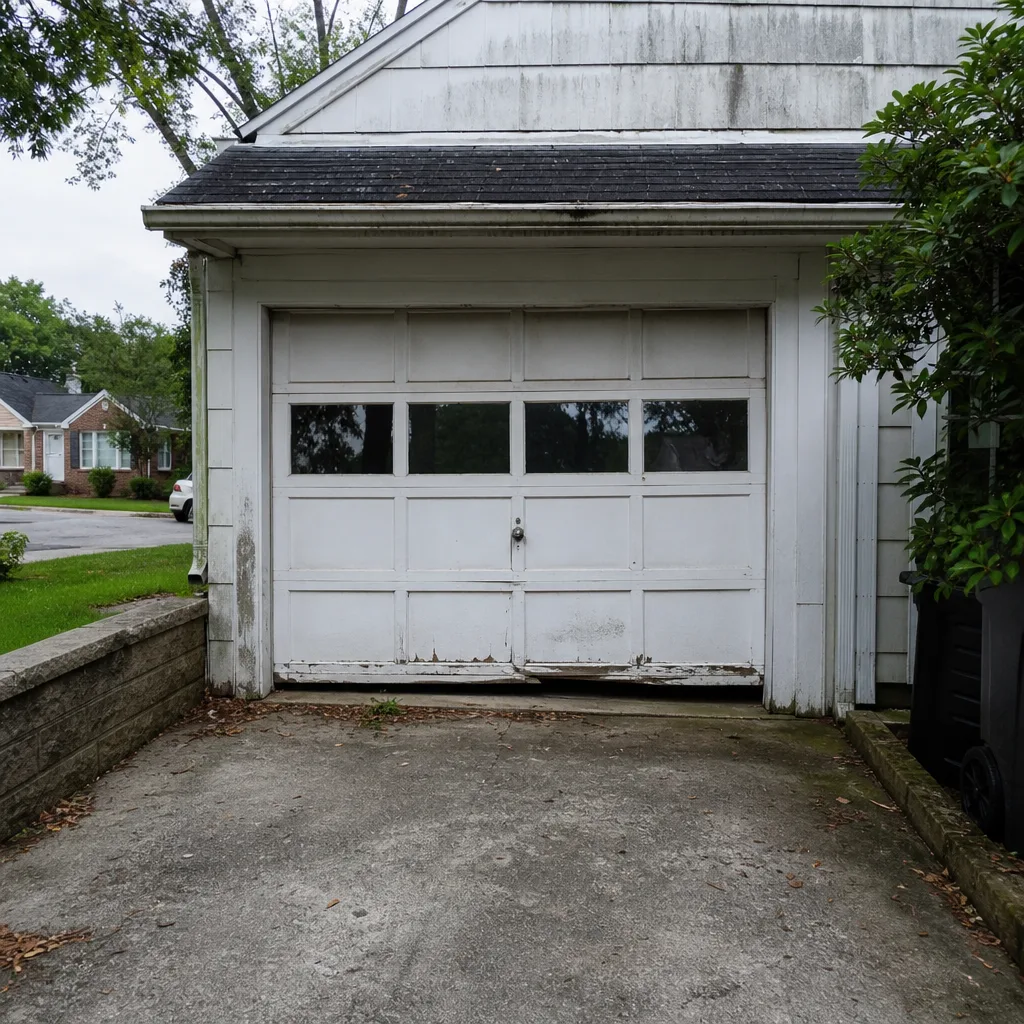 Before
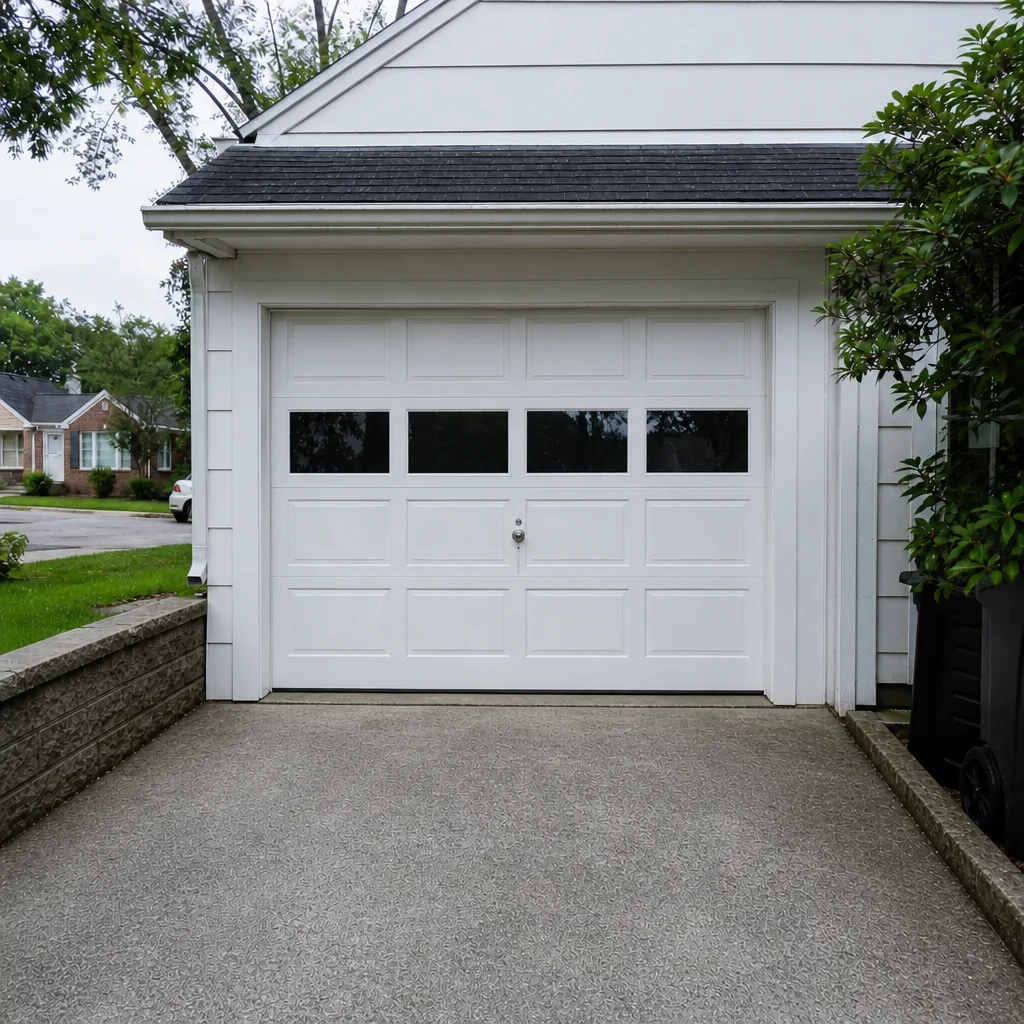 After
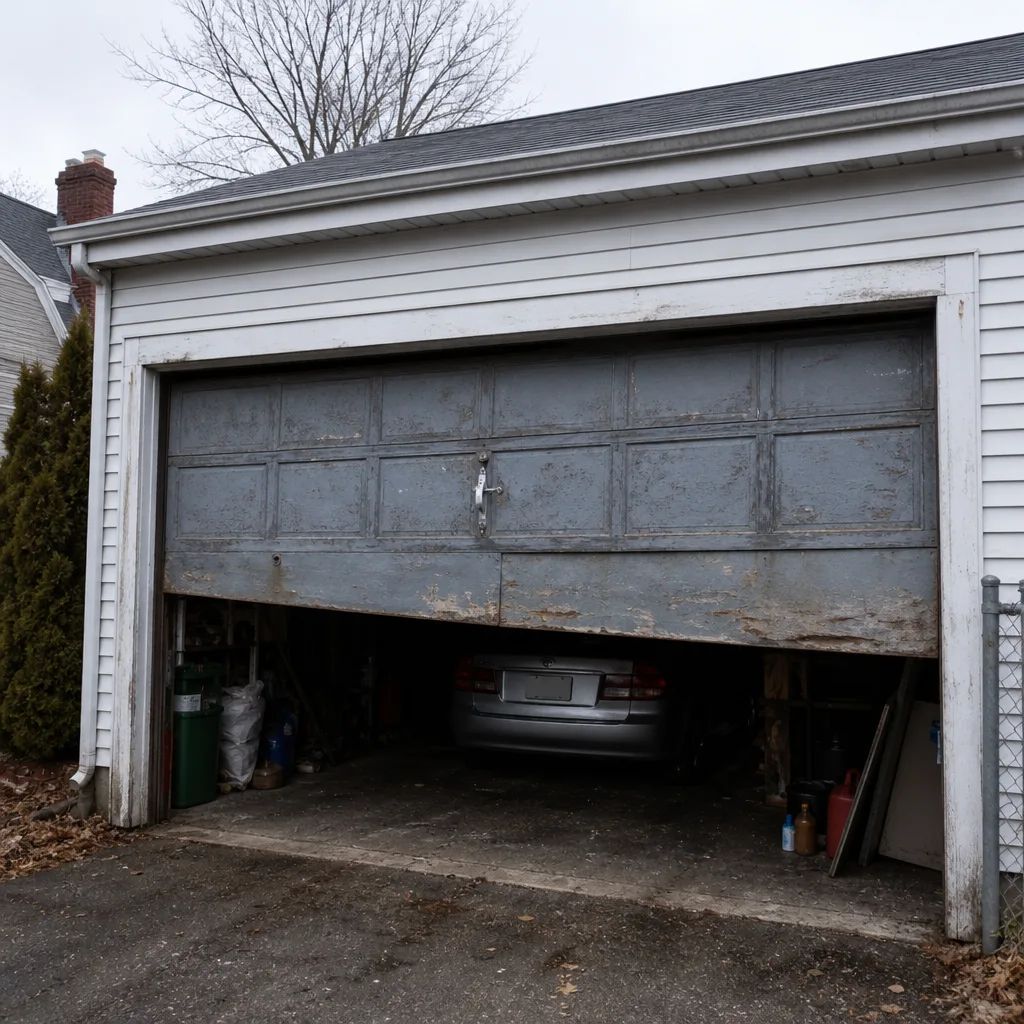 Before
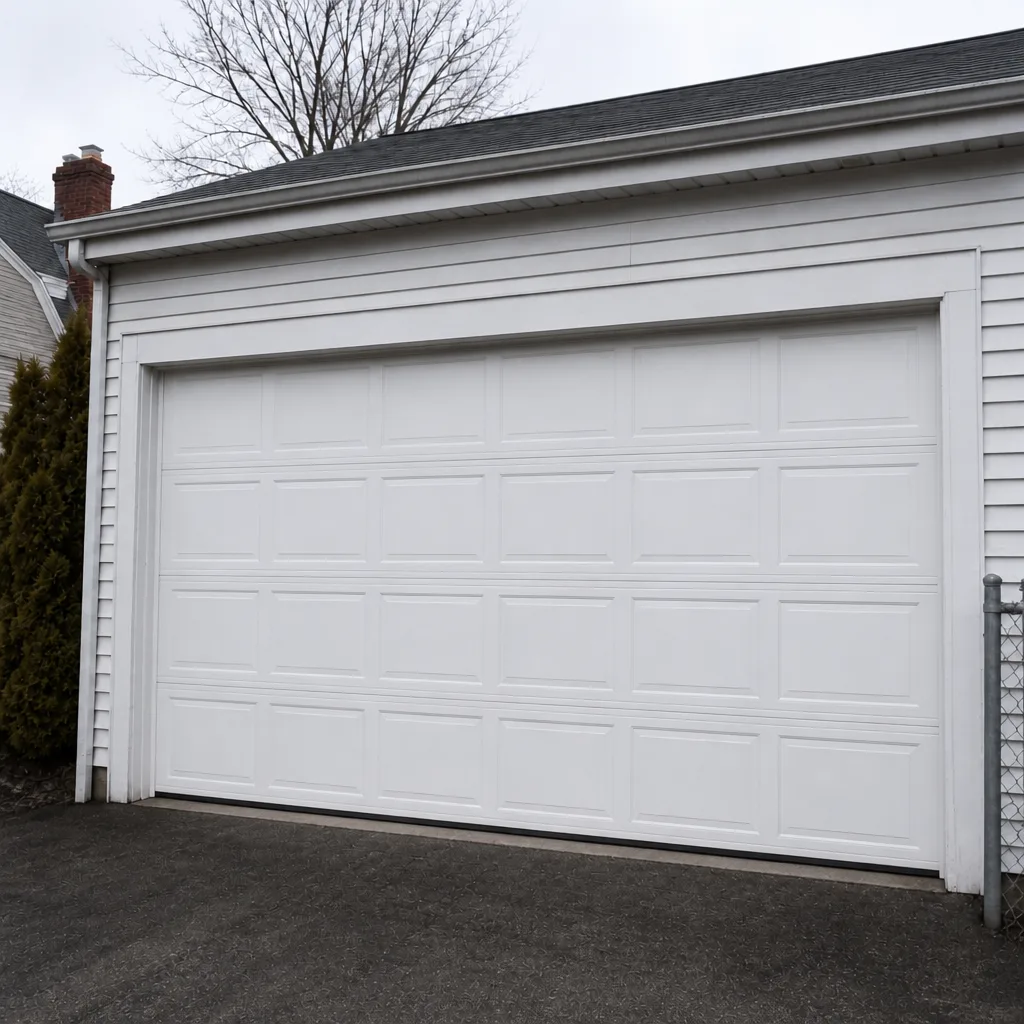 After
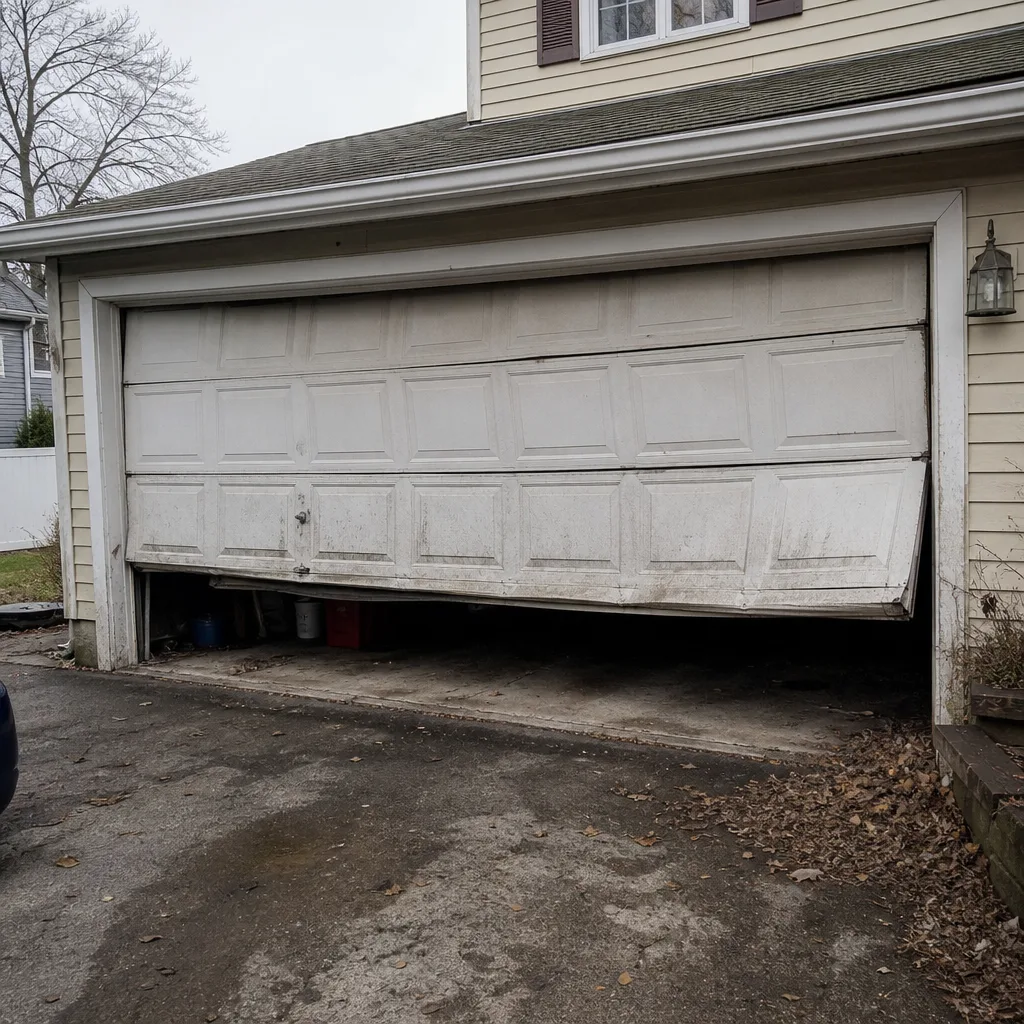 Before
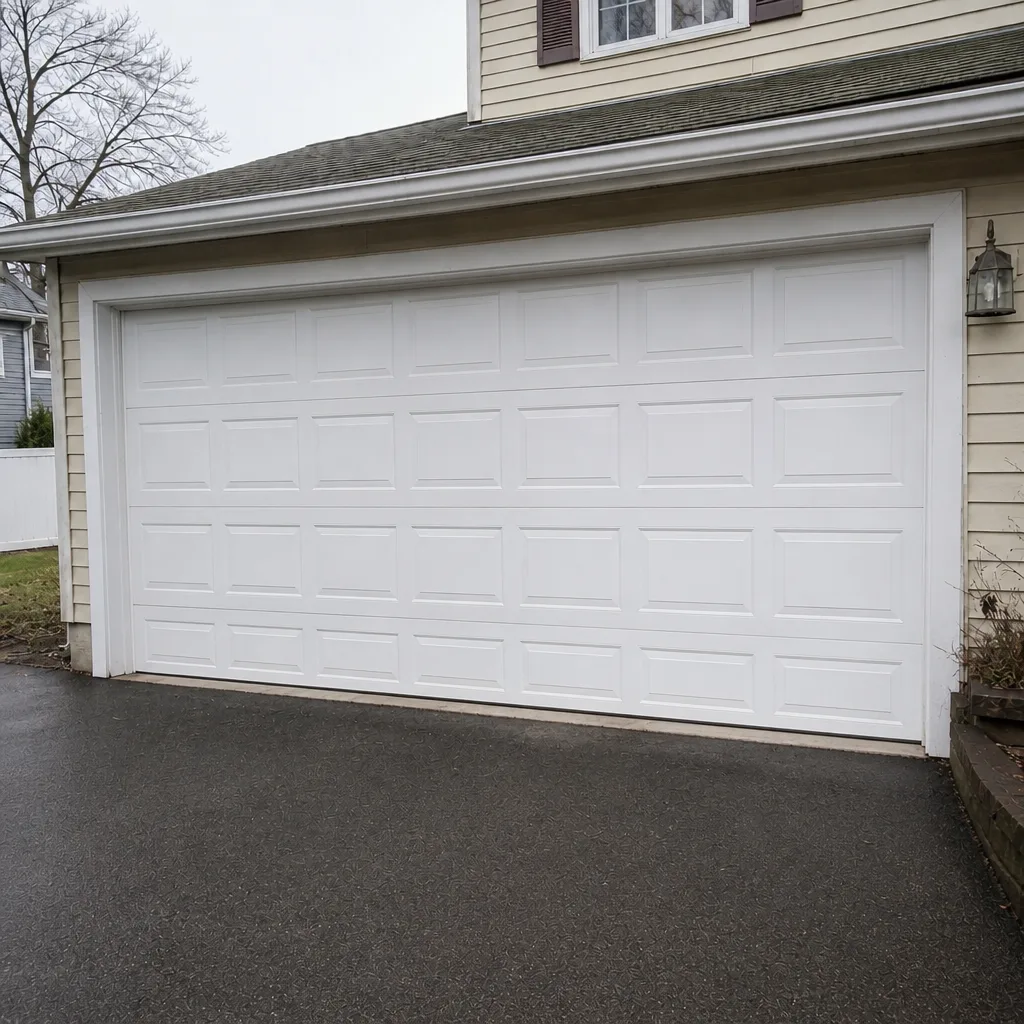 After
Monthly Five-Minute Checks Any Homeowner Can Do
Beyond the October and April refresh, a handful of tiny tasks done monthly catches 80% of developing problems. None of them require tools beyond your own two hands.
- Test the safety reverse. Place a roll of paper towels in the door’s path and run the close cycle. The door should reverse on contact. If it doesn’t, call for service right away.
- Listen for changes. A healthy door sounds almost the same every time. A door that’s starting to squeal, grind, or rattle differently is telling you something has shifted.
- Watch the door’s travel. If it lags or jumps during the last few inches of travel, the opener’s force settings or the door balance may need attention.
- Look at the tracks. Any bend, kink, or misalignment shows up as a visible wavy line. Don’t try to bend them back by hand.
- Look at the springs – eyes only. A visible gap in a torsion coil or an over-stretched extension spring is a call, not a fix.
These five-minute checks are the highest-value habit you can build. They page for attention before a $300 fix becomes a $900 one.
The Full 12-Month Garage Door Calendar
Here’s the checklist condensed into a calendar. Each task is tied to the season that makes it necessary, so nothing gets skipped and nothing gets done at the wrong time of year.
| Month | Task | Why Now |
|---|---|---|
| January | Test safety reverse, listen for new noises | Coldest month, prime time for spring failure |
| February | Clear snow and grit from tracks | Freeze-thaw buildup |
| March | Check weatherstripping for winter damage | Wet spring rain coming |
| April | Full post-winter checklist, re-lubricate, balance test | Winter wear has accumulated |
| May | Clean tracks, check rollers | Spring pollen and grit |
| June | Test opener force and travel | Rising heat amplifies opener strain |
| July | Look for rust on bottom hinges | Humidity and summer rain |
| August | Lubricate hinges and rollers | Dust from yard work |
| September | Full pre-winter checklist, weatherstripping | Last warm month for outdoor work |
| October | Pre-freeze check, all seven tasks above | First hard freeze imminent |
| November | Clear leaf debris from tracks | Falling leaves and grit |
| December | Re-test safety reverse, listen for noise | Cold and heavy use season |
Two rows on this table do the heaviest lifting: October and April. Everything else is a safety net. If you do nothing else, do those two.
Common Mistakes to Avoid
- Using WD-40 as a lubricant. It feels like it works for a few days, then leaves the bearing dry and attracts grit. Use a proper lithium grease or silicone spray instead.
- Skipping October because the door “still works.” The door still works right up until the morning it doesn’t. October is the check that prevents the January emergency call.
- Trying to adjust springs by hand. Brighton’s freeze-thaw winters put extra stress on spring hardware, which means the springs are carrying even more tension than the door’s weight would suggest. That’s not a repair to attempt – it’s the single most dangerous part of the whole system.
- Ignoring a door that drifts at halfway. A slowly drifting door will eventually become a broken spring or a burnt-out opener. Fixing it in October costs less and takes less time.
- Replacing weatherstripping with the wrong size strip. Older Brighton frame settling means the stock profile often doesn’t seal. Measure twice and consider a door specialist if the frame has moved.
- Running the opener with a door that’s hard to lift by hand. The opener is a helper, not a lifter. If the door is heavy, the springs and balance need attention, not a bigger opener.
- Skipping the safety reverse test. It’s the one check that protects people, not property. A door that fails to reverse is a real safety hazard and should be serviced before it’s used again.
When to Call a Professional
Some of this checklist is anything you can do with your own hands and eyes. Other parts are genuinely dangerous ground, and Brighton winters make them more urgent, not less. Call a technician the moment a spring looks broken or stretched, a cable looks frayed, the door won’t balance at halfway, the safety reverse fails, the door is visibly off its tracks, or a hinge is tearing away from the frame. Call before the first freeze if any of the October inspection points are already failing. Cold weather makes spring failure more likely and makes a stuck door harder to recover from. A garage door specialist can spot the difference between surface wear and a component that’s about to fail – and knowing which is which is exactly what keeps a Brighton door running well through a Massachusetts winter.
Brighton Garage Door Repair Pros offers free estimates in Brighton, and we work with LiftMaster, Chamberlain, Genie, Clopay, Amarr, Wayne Dalton, Craftsman, and Raynor equipment. Call (877) 492-3662 to book a check before the cold hits.
Frequently Asked Questions
The October pre-freeze checklist is the single most important maintenance task for a Brighton garage door. It’s the last good weather window to catch a worn roller, cracked weather seal, or weakening spring before cold weather and freeze-thaw cycling turn small wear into a real failure. Skipping it is the most common cause of emergency repair calls in January and February.
Lubricate the moving parts twice a year in Massachusetts: once in October before the first freeze, once in April after the last thaw. That doubles the generic recommendation because the freeze-thaw cycling here works the grease harder, and dust from road grit and leaf cleanup packs into it faster than in milder climates. Any door that runs more than a handful of cycles a day should get a mid-summer touch-up too.
You can test your door’s balance without touching a spring – disconnect the opener, lift the door to halfway, and let go. If it stays put, the springs are fine. If it drifts down or up, the springs need attention. Do not attempt to adjust or remove the springs themselves. Torsion and extension springs hold enough energy to cause serious injury, and only a trained technician should work on them.
On older Brighton frames, the frame itself often moves with moisture and settling, so the seal doesn’t sit flush against the door even though the strip looks intact. Check the door-to-floor seal and the door-to-frame seal separately – the bottom seal takes the snow and grit and usually fails first. If the frame has settled significantly, a door specialist may need to fit a thicker or custom profile.
Torsion springs are under constant tension even when the door is closed, and cold makes the steel more brittle. Combined with the extra work of clearing snow and the higher cycle count of a busy driveway, the coldest mornings are when tired springs finally let go. A balance check in October is the easiest way to know whether your springs are ready for winter.
You can handle most of the checklist yourself – lubricating, weatherstripping, balance testing, and the monthly safety reverse check. A technician’s visit is worth it for two things: a proper hands-on spring and cable inspection, and the ability to source and fit the exact replacement parts your specific door or opener needs. For a Clopay, Amarr, Wayne Dalton, Genie, or LiftMaster unit, matching the right part to the right system is what makes the difference between a fix and a call-back.
The Bottom Line
A garage door maintenance checklist for Brighton works when it’s timed around how door hardware actually ages here, not a generic interval. The two anchors are October – before the first freeze – and April, after the last thaw. In between, monthly five-minute checks and a safety reverse test catch most developing problems early. Never touch the springs or cables; balance testing is the safe version of a spring check, and a technician should always be the one to adjust tension. When a spring, cable, or balance issue shows up, call a specialist. Get the timing right and your door gets through the winter quietly.
If your door needs a check or a repair, call Brighton Garage Door Repair Pros at (877) 492-3662 for a free estimate. We work on springs, openers, doors, hardware, and parts for every major brand – and we’ll tell you honestly what the door needs and what it doesn’t.
Written by the team at Brighton Garage Door Repair Pros.