Last updated November 21, 2026
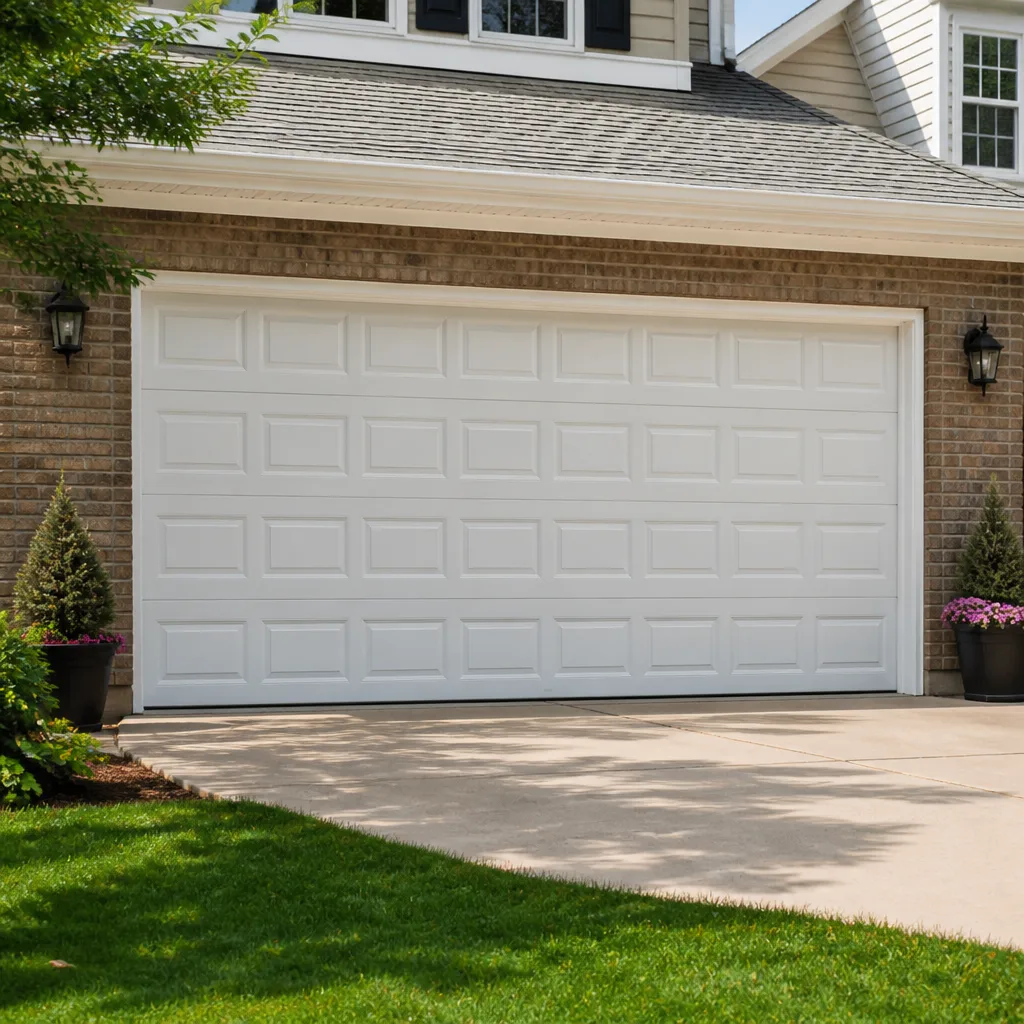 Raised-panel steel
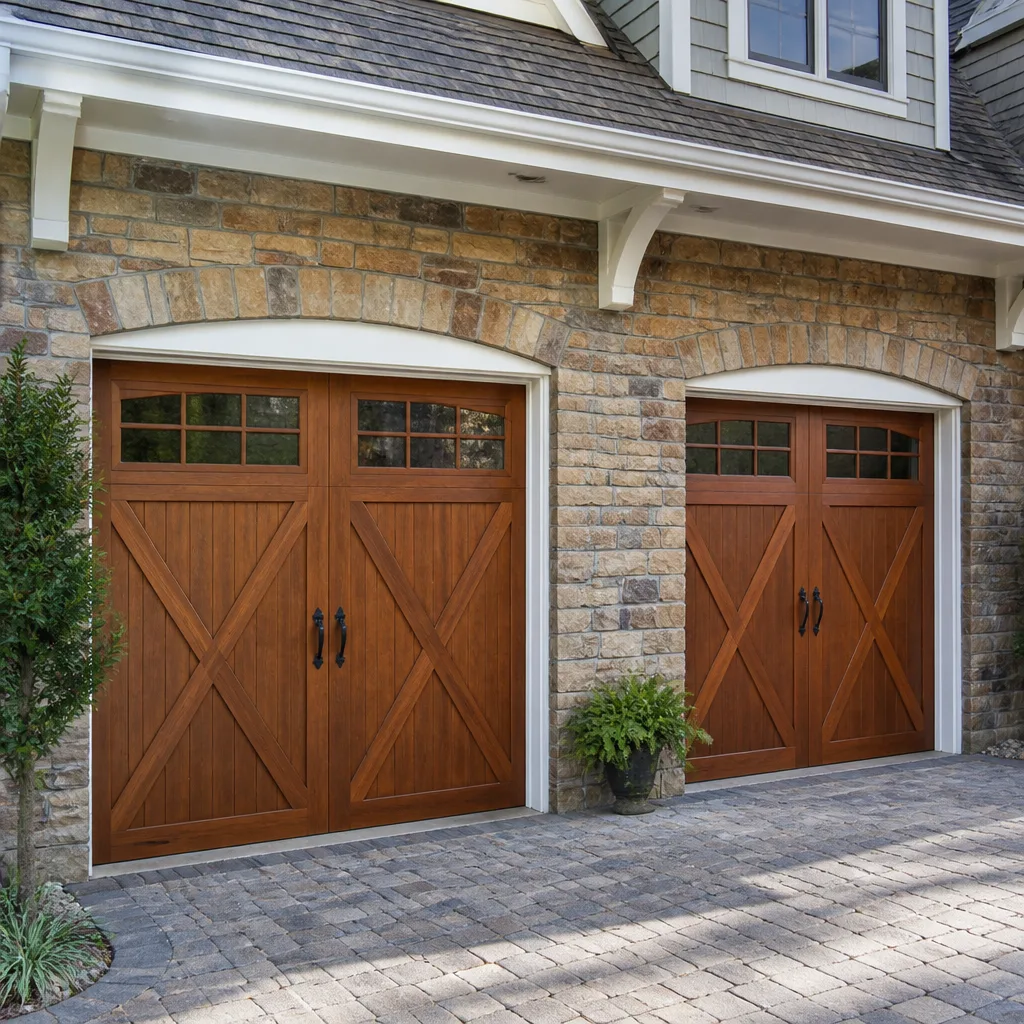 Carriage house
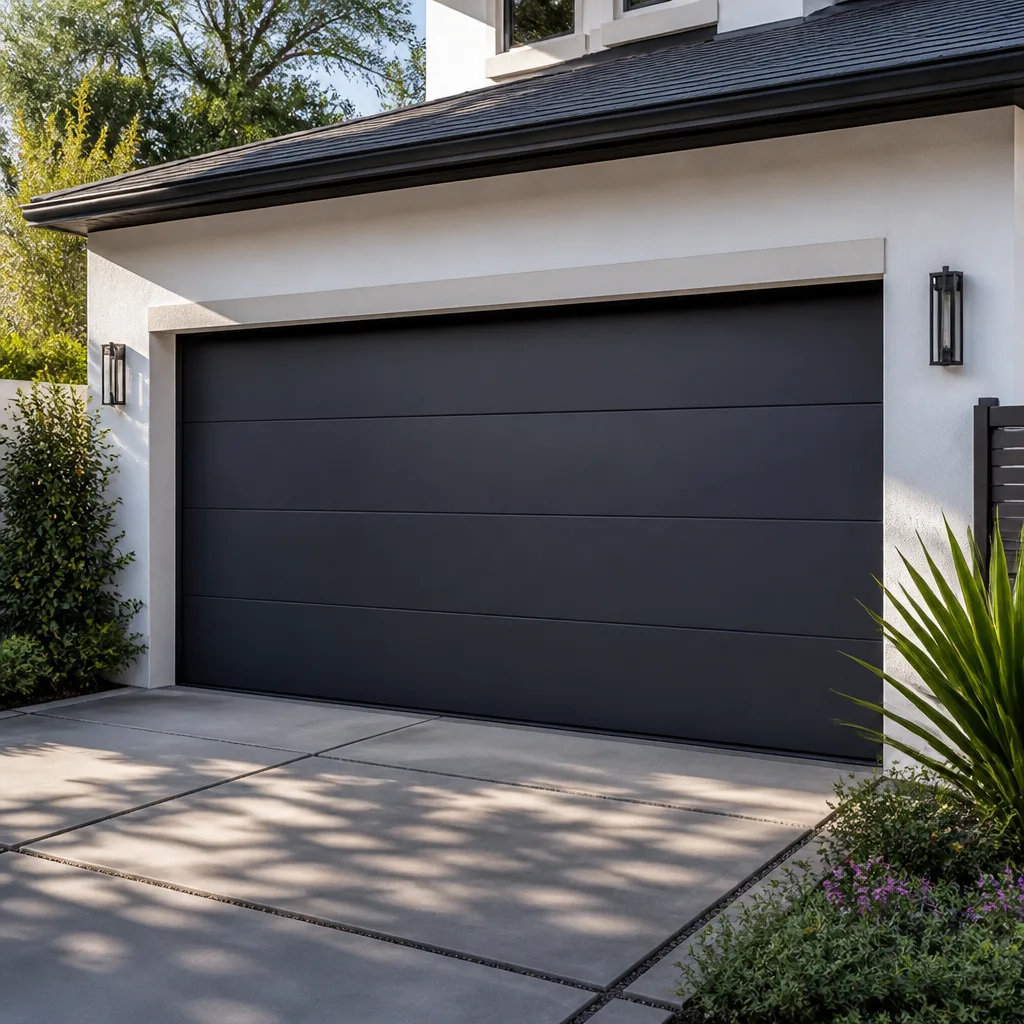 Modern flush
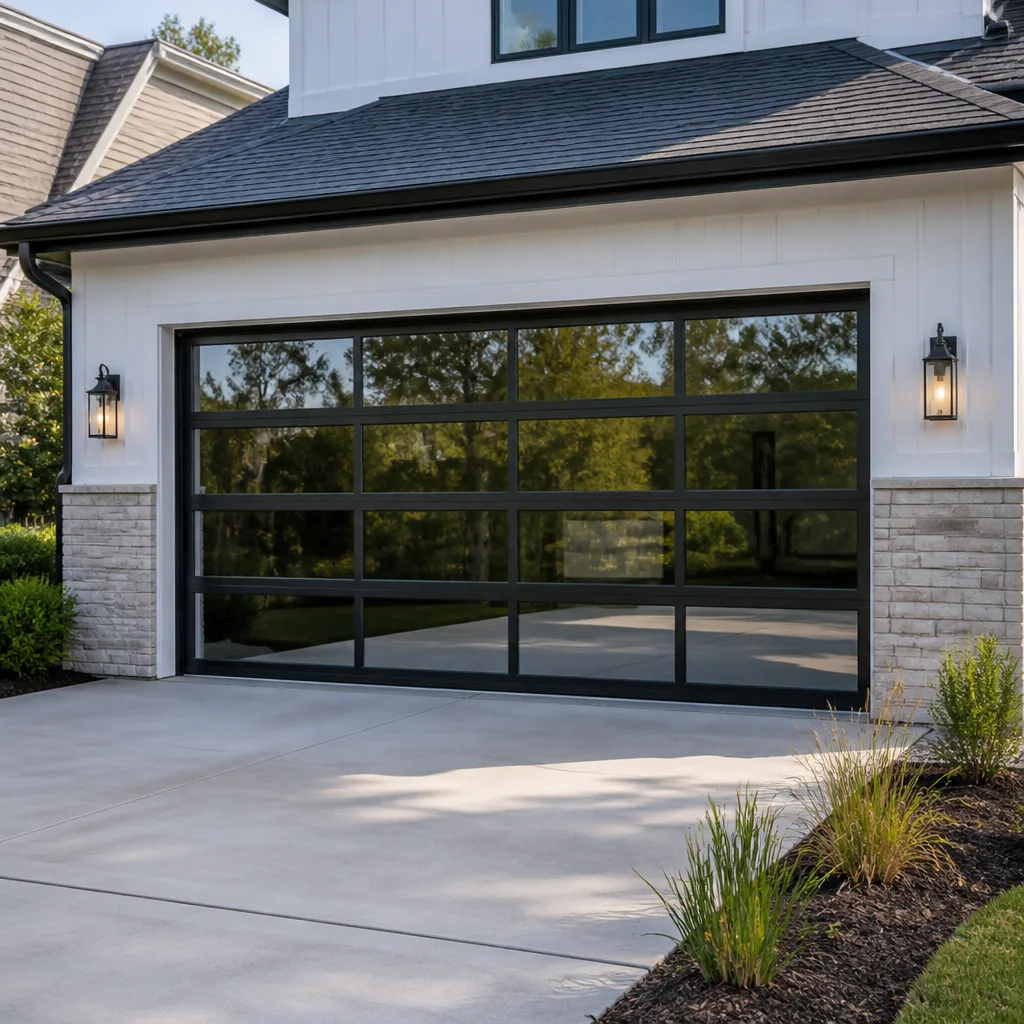 Full-view glass
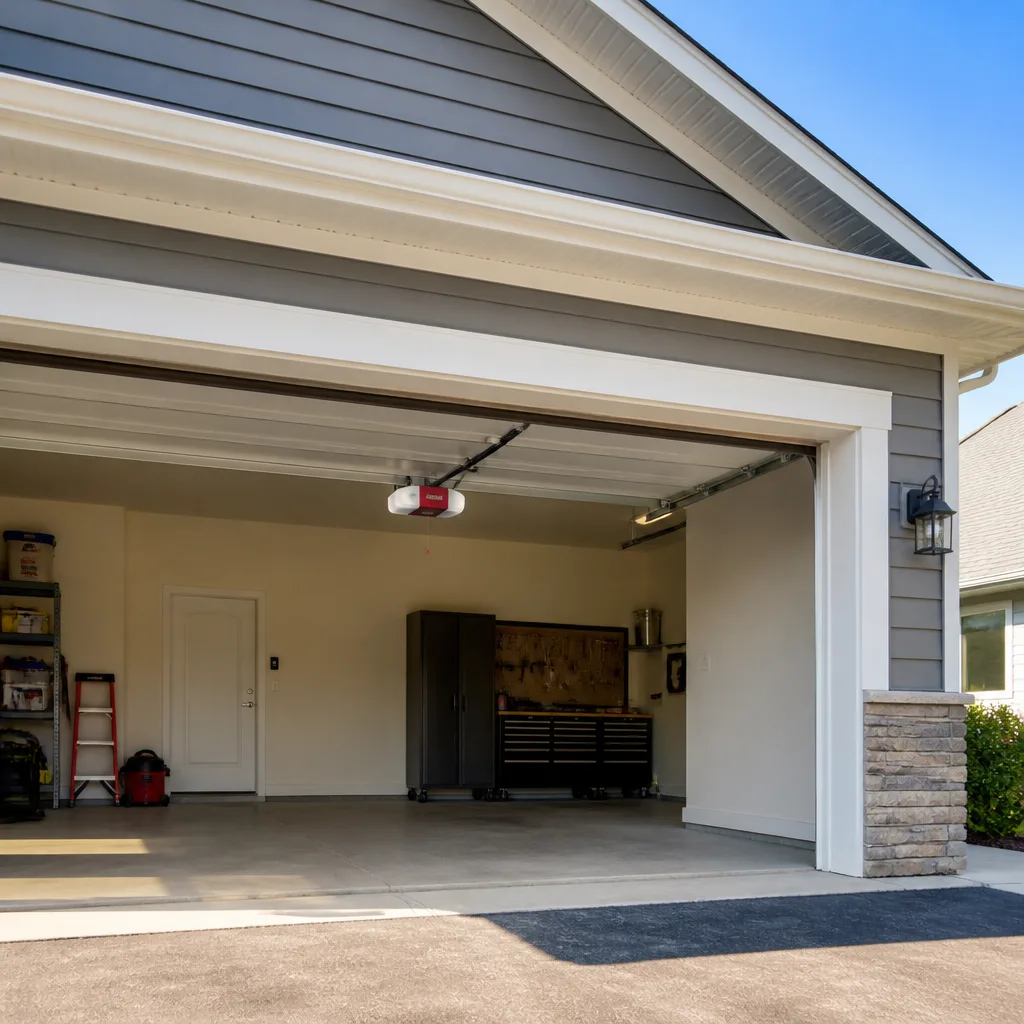 LiftMaster openers
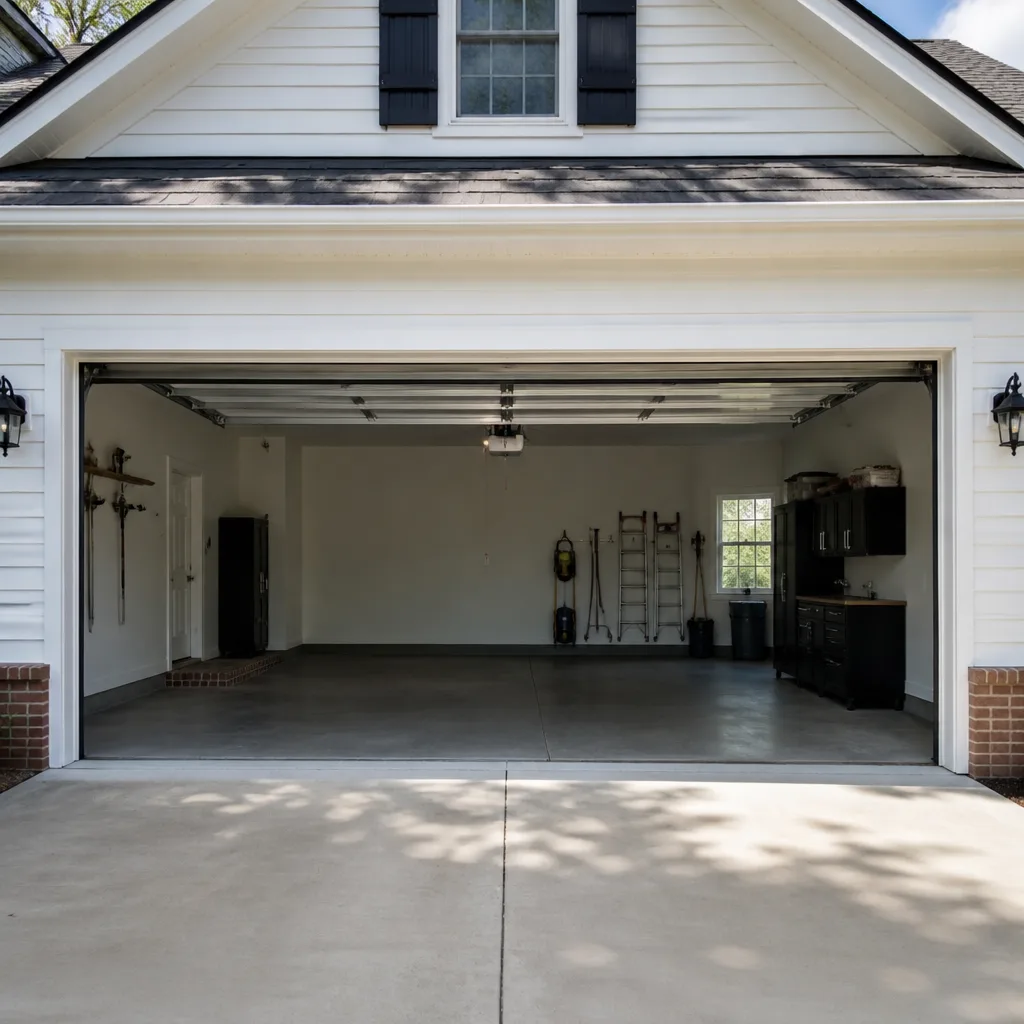 Chamberlain openers
Full 25-point door and opener safety check with every visit - springs, cables, rollers, tracks, and your LiftMaster or Chamberlain opener included
You get a price before we start. It does not change when the pro arrives.
Get your free estimateGarage Door Warning Signs: A Brighton Homeowner’s Reference Guide
Most garage doors that fail announce it first. Not once, but three to five times over the weeks before the spring snaps or the cable lets go. The grinding noise you’ve been meaning to look at. The door that pauses halfway up and you assume it’s just cold. Homeowners in Brighton hear the sound, decide it “still works,” and file it away. Then comes the morning the door won’t lift at all, or slams down instead. This guide walks you through the specific sounds, movements, and visual symptoms that garage doors in Brighton show before they break, tells you which component each one points to, and explains which signs mean you have a week to act versus which mean stop using the door today.
Styles & brands we work with
- Raised-panel steel
- Carriage house
- Modern flush
- Full-view glass
- LiftMaster openers
- Chamberlain openers
Quick Answer
Garage door warning signs in Brighton are usually mechanical sounds and movement patterns rather than cosmetic problems – grinding points to rollers, popping to torsion springs, squealing to dry bearings, and slow or uneven lift means spring tension or balance is failing. Any noise loud enough to hear from inside the house, plus any visible spring gap or frayed cable, means the door needs professional attention before you use it again. Cold Boston-area winters shorten the window between the first warning sign and full failure for springs and cables, so signs are not something to “watch for another month.”
Table of Contents
- What the Sounds Tell You
- Visual Warning Signs: Springs, Cables, and Rollers
- Slow or Uneven Movement as a Diagnostic Tool
- “One More Week” vs. “Stop Using It Today”
- Why Brighton Winters Change the Timeline
- Warning Signs by Component Age
- Common Mistakes to Avoid
- Frequently Asked Questions
What the Sounds Tell You
A garage door in Brighton makes four distinct failure noises, and each one points to a specific part. Learning which is which is the fastest way to know whether you’re looking at a $20 roller or a spring that’s about to go.
Grinding
Grinding is the most common complaint we hear from Brighton homeowners, and it almost always traces to the rollers. Steel rollers that have lost lubrication, or nylon rollers with worn bearings, grind against the track as the door moves. A bearing that’s given up starts as a grind and gets louder over a few weeks. Left alone, a seized roller can chew into the vertical track and turn a small parts job into a track replacement.
Squealing
High-pitched squealing comes from dry metal-on-metal contact, usually the torsion shaft bearings or the hinges. In Brighton’s cold months this sound often gets worse faster than in other cities because the lubrication on the hinges thickens and stops doing its job. Squealing alone isn’t usually an emergency, but it’s the easiest warning sign to silence and the one most often ignored.
Popping
Loud popping is the sound of a torsion spring that is losing tension – the coils are shifting against each other. A single pop when the door opens or closes can happen during normal operation, but if you hear popping every cycle, or a pop followed by a door that suddenly feels heavy, the spring is telling you it’s near the end of its life. In our experience this is the sign Brighton homeowners most often mistake for “the door settling.”
Banging
Banging means slack. Either the lift cables have loosened and are catching, or the door has come out of balance and the opener is jerking it back into line. Banging together with slow or uneven lift means stop using the door and get it looked at, before a cable comes off a drum.
Visual Warning Signs: Springs, Cables, and Rollers
Some warning signs are louder than others – literally. Springs and cables fail quietly, and a two-minute walkaround once a month will catch them first.
Torsion springs
Look at the coil above the door, mounted on the shaft. A healthy spring has a tight, even coil. A spring with a visible gap in the coil – a clean break in the middle – has failed and is no longer holding tension. That door should not be operated. We have to say this clearly: never attempt to touch, tighten, or replace a torsion spring yourself. These springs are wound under high tension and can cause serious injury to anyone without training and the right winding bars. Treat a broken spring as a stop-use situation and call a specialist.
Lift cables
Cables run down both sides of the door from the drums and are under heavy tension. Look for fraying, kinks, or a cable that has jumped outside its drum groove. A frayed cable can snap at any time, so a single strand sticking out counts as a failure sign, not “wear.” A cable that has already come off the drum is an immediate stop.
Rollers and hinges
Worn nylon rollers develop flat spots, and steel rollers show rust or grinding marks. Hinges that are bent, or that show loose fasteners, are a loose-door warning. Walk both sides of the track and push gently on each hinge plate – if any move more than a hair, they need attention.
Panels and weatherstripping
A door that has been nudged out of its tracks shows gaps along the bottom seal. If you can see daylight across the bottom of the closed door, the door is no longer sealing out Brighton’s cold air, and the opener is working harder than it should on every cycle.
Slow or Uneven Movement as a Diagnostic Tool
How your door moves is data. The way it lifts and closes tells you which part is under strain, often before a sound gives it away.
- Pauses or stalls partway up. A door that slows or pauses as it rises is fighting a spring that has lost tension, or an opener that’s near the end of its lifting capacity. Both need a professional balance check.
- One side rises faster than the other. Uneven lift usually means one torsion spring of a pair has started to fail, or one cable is out of adjustment. Left alone, the door racks in the track and jams.
- Door sags at one top corner when closed. This is a balance problem and often points to a spring that has lost a substantial amount of tension.
- Reverse on the way down without touching anything. The door is detecting an obstruction, or the opener’s safety sensors are misaligned. A door that won’t close is a security problem.
- Opener runs but the door doesn’t move. The motor is spinning but the drive belt, chain, or screw is stripped or the opener’s gear has failed. This one needs a proper garage door opener repair call – it isn’t something to keep cycling to test.
Testing balance is a job best left to a trained technician, but you can note which side is lagging and which cycle it happens on. That gives us a starting point the first time we look at it.
“One More Week” vs. “Stop Using It Today”
Warning signs fall into two groups, and the split matters more than the specific noise.
Signs that allow a week of careful use
- Squealing at the hinges (lubrication will quiet it, and the door is safe to operate)
- Grinding rollers (the door will work, but you’ll be adding wear with each cycle)
- Occasional single pop, door still lifts smoothly
- Light gaps along the bottom weatherstripping
- Slight rust on the torsion shaft
Signs that mean stop using the door now
- A visible gap in the torsion spring coil
- A frayed lift cable, or a cable off the drum
- The door feels unusually heavy when you lift it by hand
- Banging noises on every cycle
- The door is hanging crooked or dragging on one side
- The opener motor runs but the door does not move
If you’re not sure which group your door falls into, that’s the moment to call. We’ll walk you through it over the phone and tell you whether it’s a today problem or a this-week problem. Our team connects Brighton homeowners with vetted local professionals who are licensed and insured as Massachusetts requires, and our technicians have up to 15 years of experience with every major residential brand – LiftMaster, Chamberlain, Genie, Clopay, Amarr, Wayne Dalton, Craftsman, and Raynor.
Why Brighton Winters Change the Timeline
A torsion spring in Brighton lives a harder life than the same spring in a milder climate. The temperature swings between a warm, humid summer and a long run of winter nights where the garage sits near freezing and the door cycles again and again against that cold. Coils that are already weakening fatigue faster in that cycle. The result is that the window between “first warning sign” and “failure” is often shorter than most homeowners expect – what feels like a month of grace in a milder climate is more like a week or two here, and sometimes less.
Cables feel the same effect. The steel stretches and contracts with the temperature, and a cable that already has a weak spot frays faster once the cold sets in. That is why we tell Brighton homeowners not to defer a spring or cable warning past the first cold snap. Worn rollers show the same pattern – summer is fine, but come November the grinding gets louder and the door starts to lift unevenly.
The cold also affects the opener itself. Openers with older motors can struggle to lift a door that was fine in September, because the grease thickens and the door’s balance is off. That “the opener seems weak” feeling in a Brighton January is often a spring that’s slowly losing tension, not an opener on its way out. A balance test from a qualified technician tells you which.
Warning Signs by Component Age
Component age shapes which signs you should watch most closely. You don’t need to know exact install dates – knowing roughly what has been there a long time is enough to prioritize.
Torsion springs
Most residential torsion springs in Brighton are designed for a finite cycle life. When you notice the door getting heavier, a pop on every cycle, or visible rust on the coil, those are the leading signs that a spring should be inspected. Replacement is a specialist job. A matched pair should usually be replaced together so both sides stay tensioned the same – a single spring replacement saves a small amount but often returns you to the shop within a year.
Rollers
Rollers wear gradually, so the grind gets louder slowly. If your door was quiet five years ago and now rattles the whole garage, the rollers are the likely cause. Replacing them all at once is almost always the right call – a mix of new and worn rollers puts uneven load on the track.
Openers
An opener that’s been in place a long time still works, but it starts to lose lifting torque. Signs of an opener nearing replacement include a struggling lift, an opener that reverses without obstruction, or a drive that has become noisy. When the time comes, a full garage door installation of a matched new door and opener is usually cleaner than trying to keep an aging setup alive. We work with all the major brands, so you aren’t locked into one manufacturer’s ecosystem.
Cables
Cables don’t wear on a schedule you can predict. They fail from corrosion, nicks, or a drum that’s drifted. Checking for fraying on both sides is a two-minute job and catches the sign well before failure.
A Closer Look at the Two Signs Homeowners Most Often Miss
The two signs Brighton homeowners most often ignore are the door that closes fine but feels heavy on the way up, and the door that “only squeaks sometimes.” Both are easy to rationalize, and both belong to the group of signs that mean the clock is already running.
A heavy door means the spring is no longer doing the lifting. The opener is taking on the load, and that shortens the opener’s life. Get the weight checked before the opener is the next thing to fail. A squeak that comes and goes usually means a bearing or hinge is nearly dry – easy to fix, but only if you get to it before the friction grinds a groove into the shaft or the hinge pin stops turning.
If you’ve been putting off either of these, the fix is usually small. It’s the bill for waiting that gets expensive.
Common Mistakes to Avoid
- Calling it “just a noise” and waiting for it to fail. Every loud noise on a garage door has a part behind it. Waiting turns a parts replacement into a full repair, and sometimes into a safety problem, because a failed spring drops the door hard.
- Forcing a door that has already stopped. If the door won’t open, the spring or an opener drive part has likely failed. Forcing it up by hand puts strain on the panels and the track, and is dangerous if a cable has given way.
- Trying to fix the cables or springs yourself. This is the single biggest mistake Brighton homeowners make, and it’s the one that ends in a hospital visit. Cables and springs are under heavy tension, and a poorly handled repair can let loose without warning. Leave both to a trained technician.
- Replacing one spring of a pair. A matched pair is designed to share the load. Replacing one leaves the other fatiguing under twice the work, and you’ll be back for the second in a matter of months.
- Ignoring the opener after a spring is replaced. The opener took the strain while the spring was failing. After a spring repair it’s worth having the opener checked too, because running it hard through the last weeks of a failing spring has added wear to the gears.
- Putting off weatherstripping as cosmetic. A worn bottom seal lets Brighton’s cold air into the garage, which drops the temperature the spring cycles through, and it lets snow and rain under the door.
- Assuming a quiet door is a healthy door. Springs fail without noise in the weeks before they go. Check the coil for a gap and the cables for fraying as part of a monthly walkaround, not just when something sounds wrong.
When to Call a Professional
Call us the same day if you see a gap in the spring coil, a frayed cable, or a door that’s dragging on one side. Those are the signs that mean the door needs to stay closed until a technician looks at it, and no amount of careful use makes them safe. Call us within the week if the door is grinding, squealing, popping on every cycle, or feels noticeably heavier than it used to. And call us if you’re simply not sure. Our team can talk it through over the phone, and a technician can come out to diagnose the exact part in a single visit with the right replacement in hand. Brighton Garage Door Repair Pros offers free estimates in Brighton – call (877) 492-3662. We can work with the exact brand already on your door, from a LiftMaster opener to a Chamberlain unit to a Genie or Raynor system, so you aren’t handed off to someone else to source a part.
Frequently Asked Questions
The most common warning signs are a door that feels heavy when lifted by hand, visible fraying on the cables, a gap in the torsion spring coil, grinding or squealing on every cycle, and a door that lifts unevenly or sags on one side. If you see a broken spring or a frayed cable, stop using the door and call for service. Call (877) 492-3662 for an exact quote – estimates are free.
Torsion spring repair in the Brighton area typically runs around $180 to $340 for a single spring, and a matched pair, which is what we recommend when both sides are failing together, usually costs about twice that. A written estimate sets the final price, and we won’t start work until you’ve agreed to the quote.
Yes, for anything that leaves the door stuck closed or unusable. Same-day service and fast dispatch runs 7am to 7pm, and we’ll tell you up front when we can be there. If the door has a broken spring or cable, leave it closed until a technician arrives – don’t force it. Call (877) 492-3662 for an exact quote – estimates are free.
No. The number we agree on before work starts is the number you pay once it’s finished. The price is quoted and agreed before any work begins. If we find something else while we’re diagnosing the door, we’ll tell you what it would cost and let you decide before we touch it.
Yes. The local pros we connect Brighton homeowners with are licensed and insured as Massachusetts requires. Our technicians have up to 15 years of experience working with all the major residential garage door and opener brands, from Clopay and Amarr doors to LiftMaster, Chamberlain, Genie, and Wayne Dalton openers. If a repair needs a part, we source it through the same team doing the work, which cuts the wait.
If the door’s panels and track are in good shape, most warning-sign repairs (springs, rollers, cables, opener) are worth doing and will keep the door in service for years. If panels are bowed, the track is bent, or the door is universally off-balance, replacement is often the better answer. A free estimate tells you which makes sense for your specific door.
The Bottom Line
Your garage door tells you when it’s about to fail – usually several times before it does. The grinding roller, the popping spring, the heavier lift, the frayed cable: each one points to a specific part, and each one has a short window between warning and failure, shorter in Brighton winters. The door won’t fix itself while it’s “still working.” It will just fail on a morning when you need the car out and the door won’t open. If you’ve been putting off a sign, call us and get a diagnosis before the morning the door stops. We offer free estimates and same-day service for urgent repairs. Our team connects Brighton homeowners with local pros who know the exact brand and system on the door. Garage doors are all we do.
Call Brighton Garage Door Repair Pros at (877) 492-3662 for a free estimate, and we’ll help you decide whether the door in front of you needs a repair next week or a repair today.
Written by the team at Brighton Garage Door Repair Pros.
See the difference
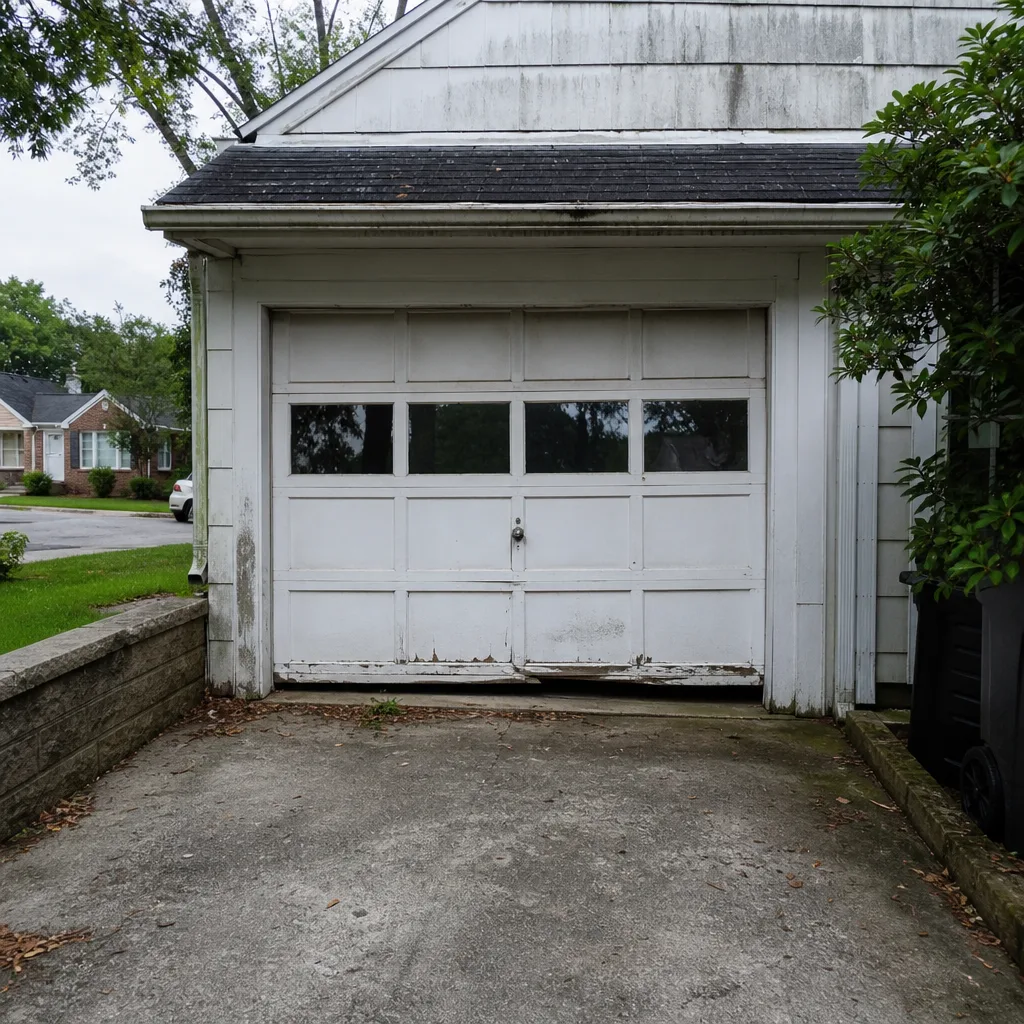 Before
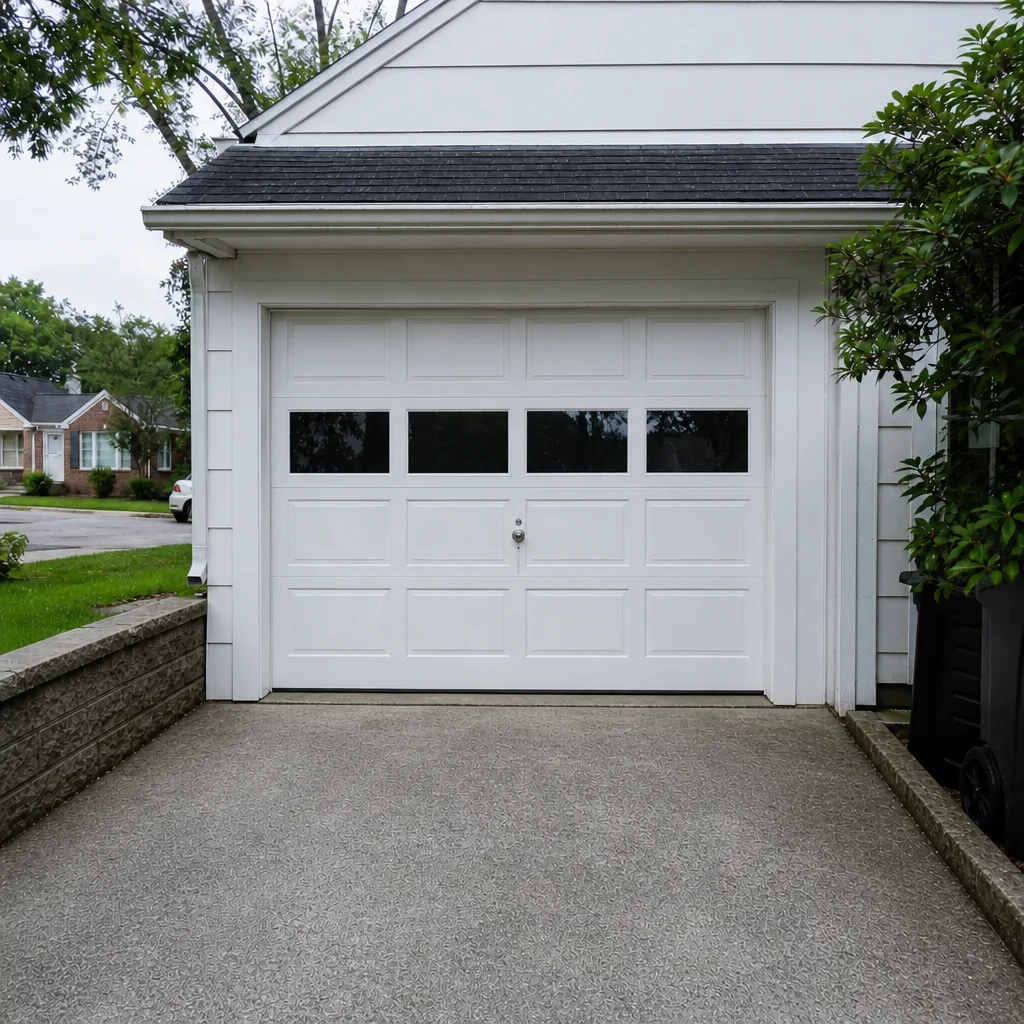 After
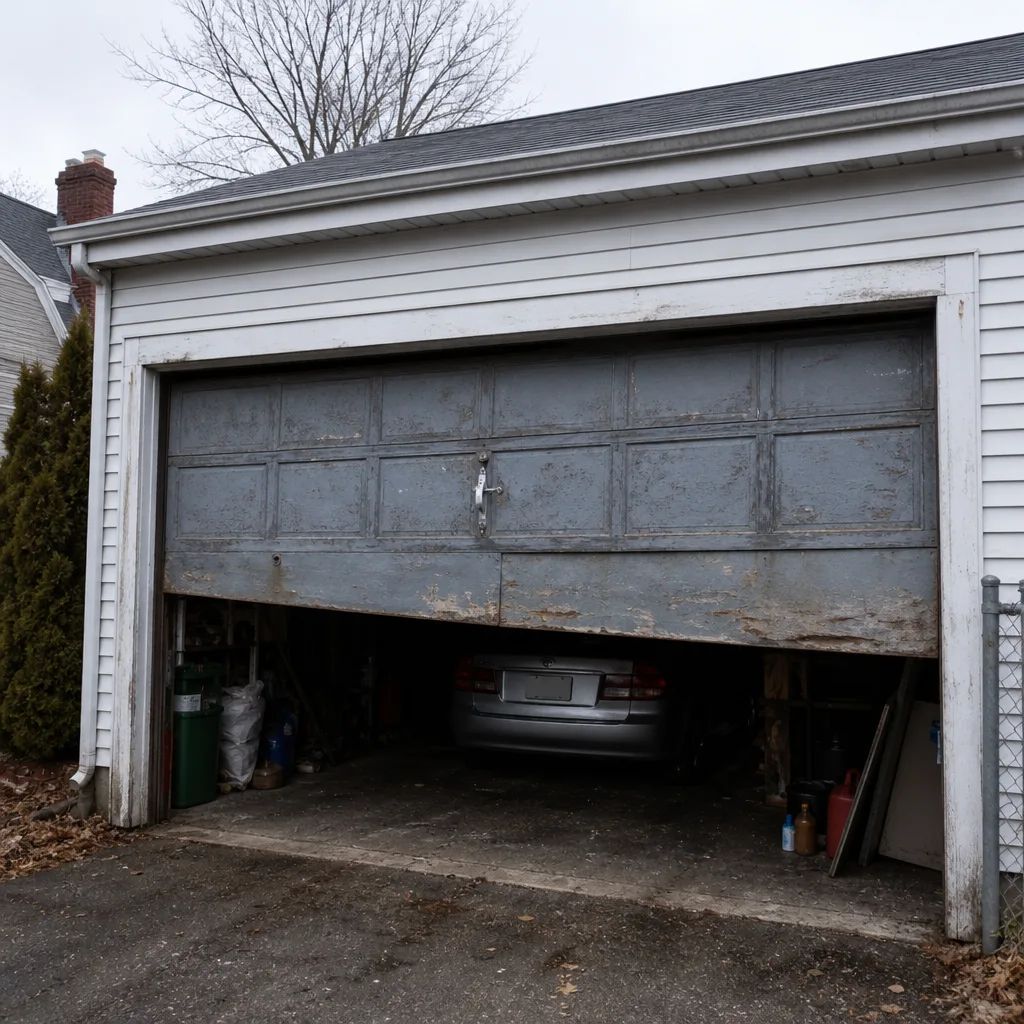 Before
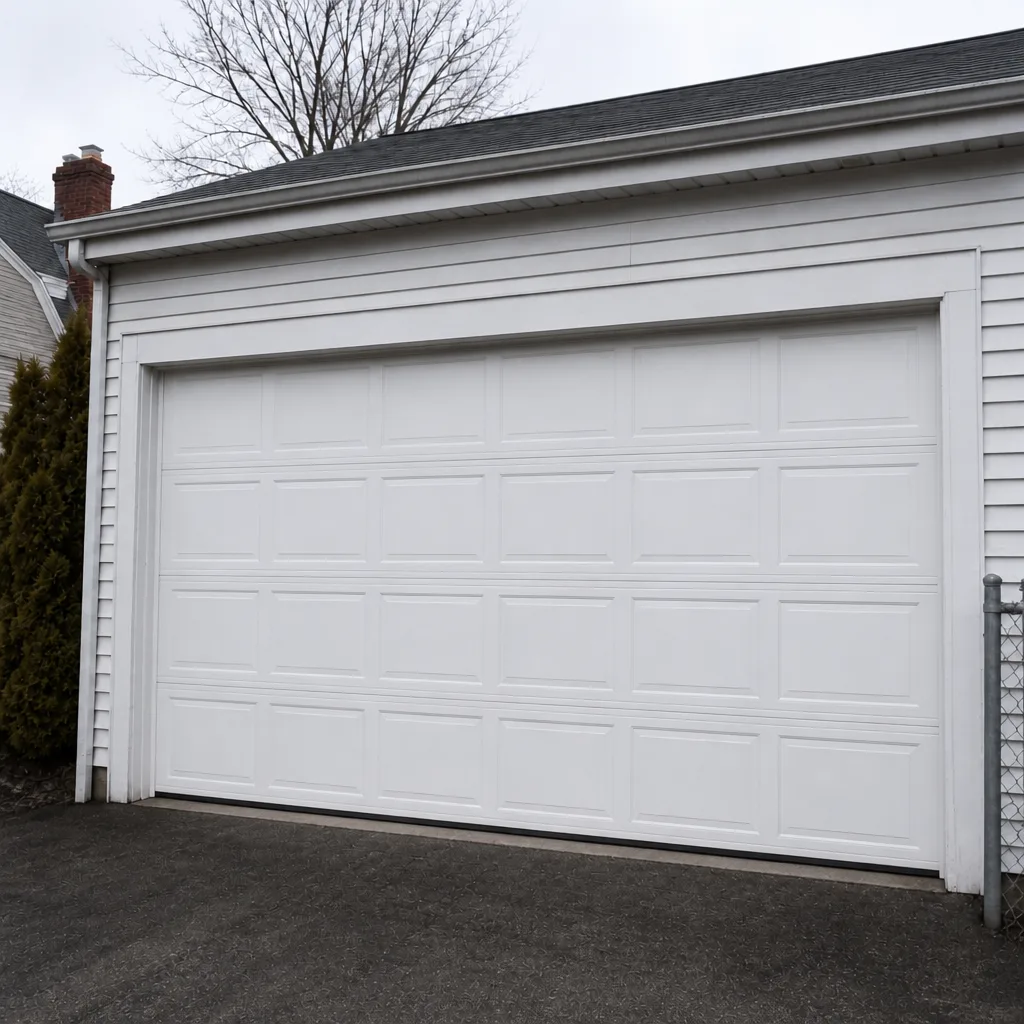 After
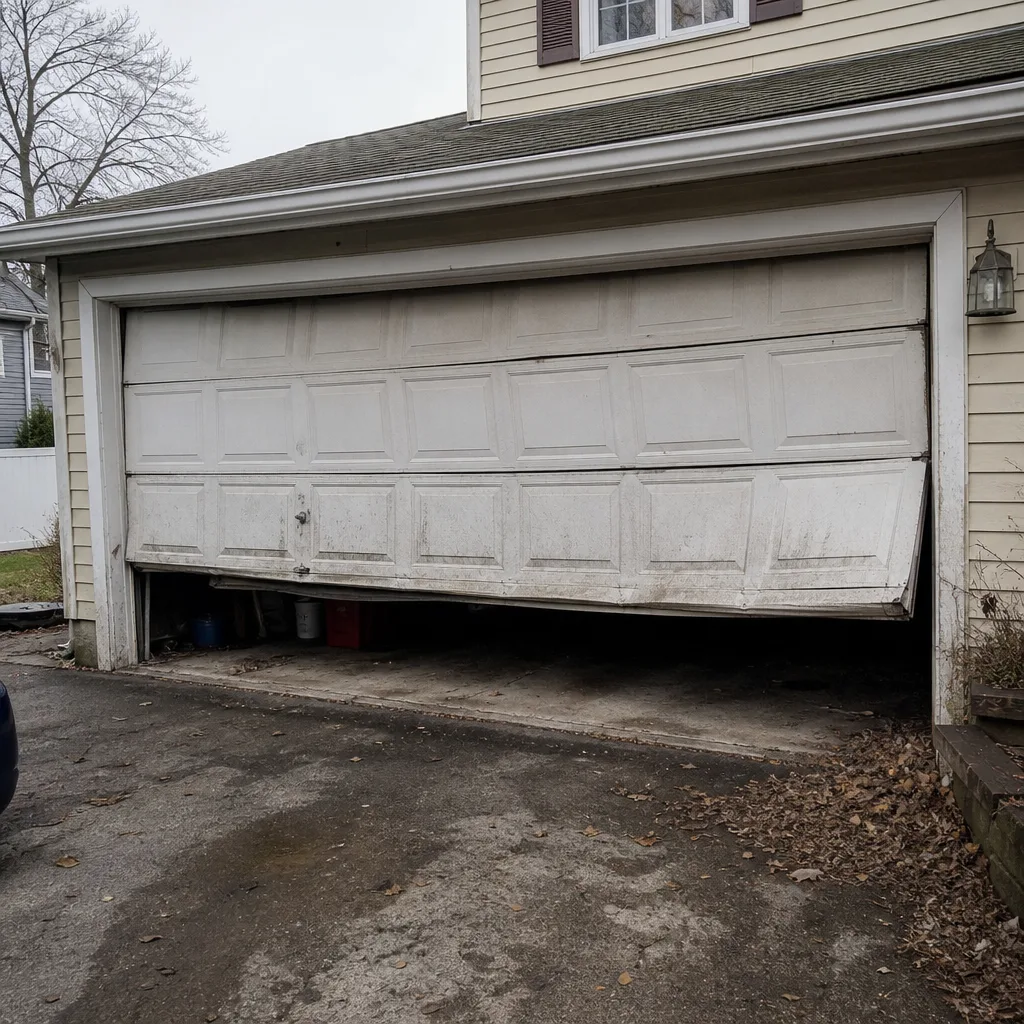 Before
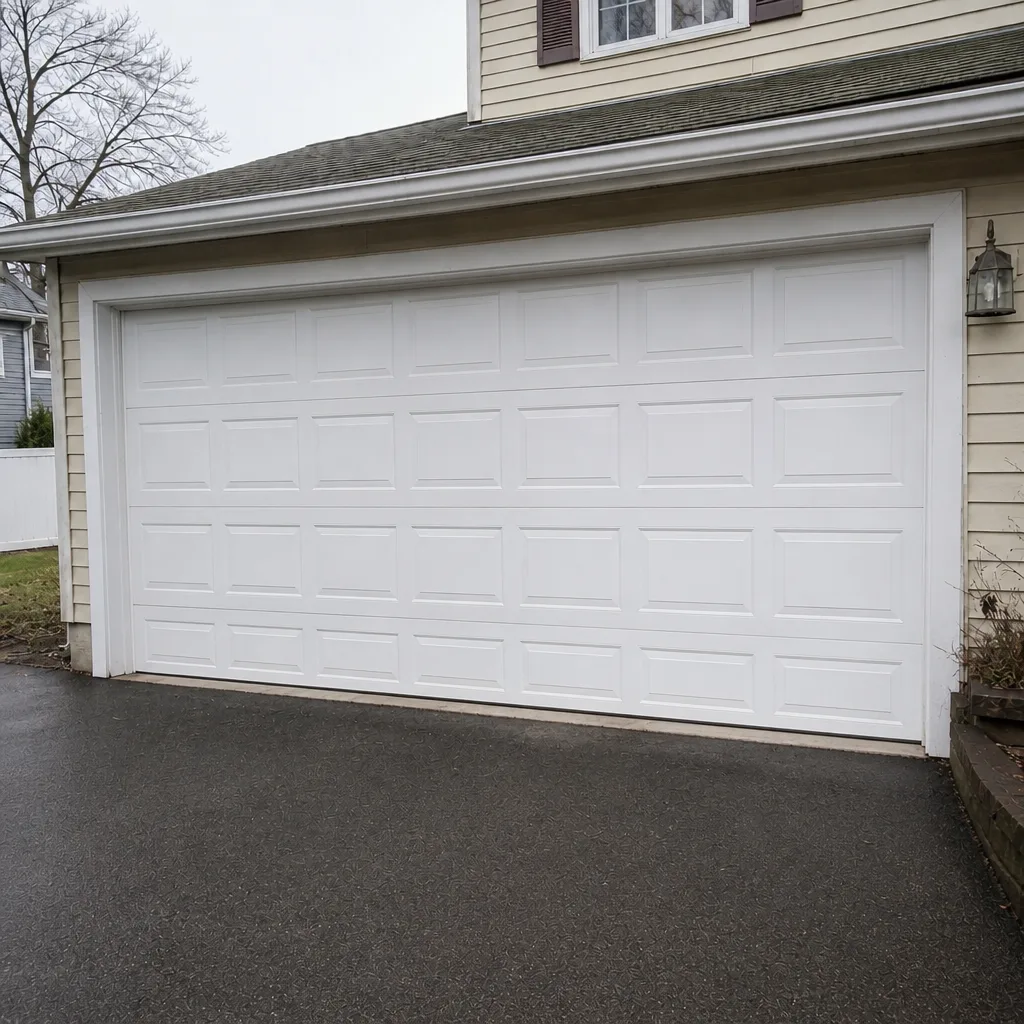 After