Last updated November 21, 2026
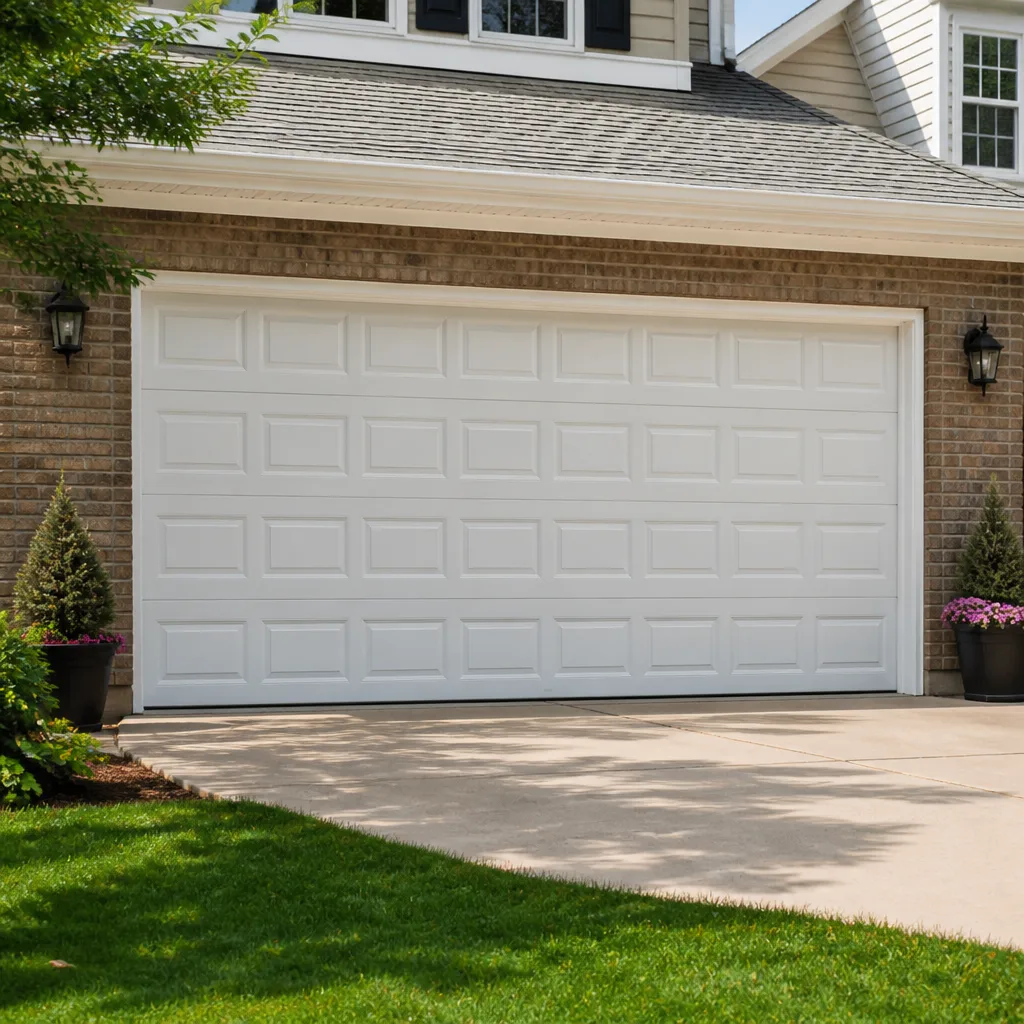 Raised-panel steel
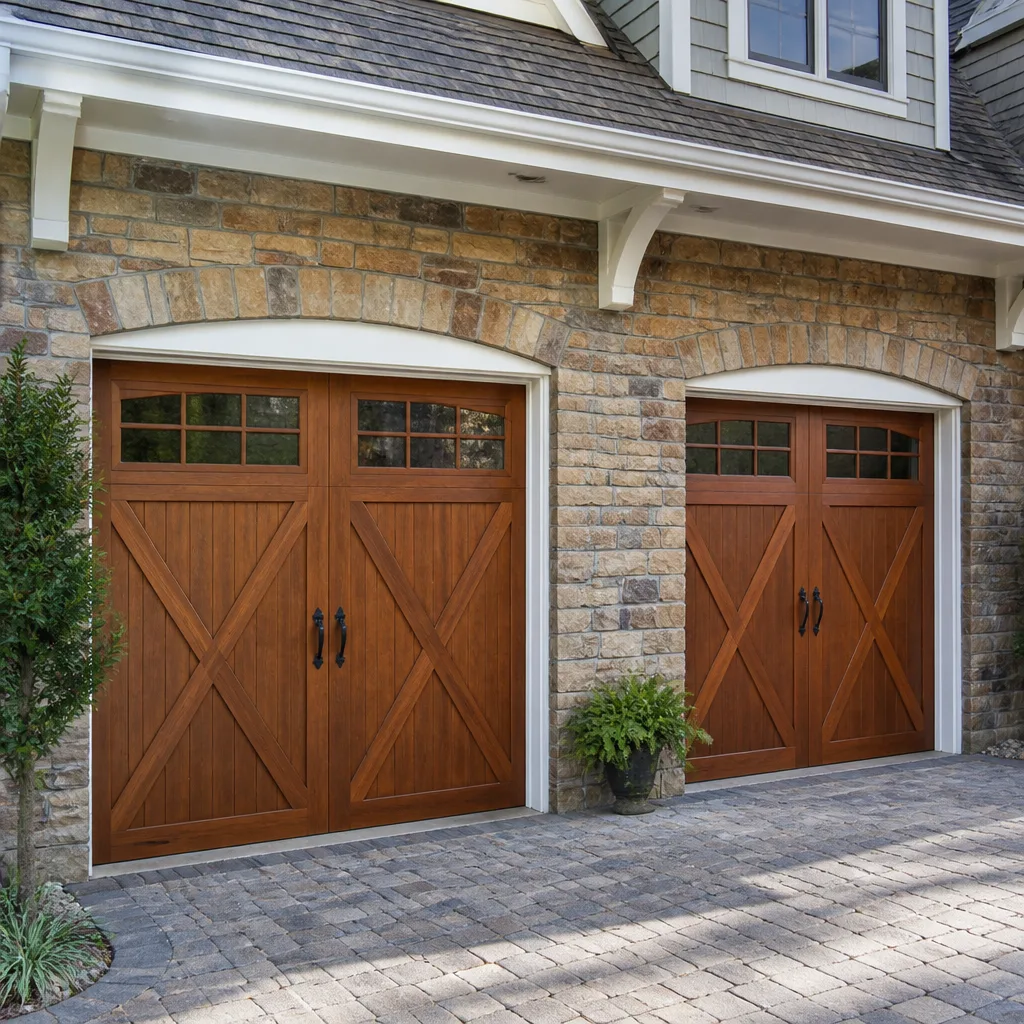 Carriage house
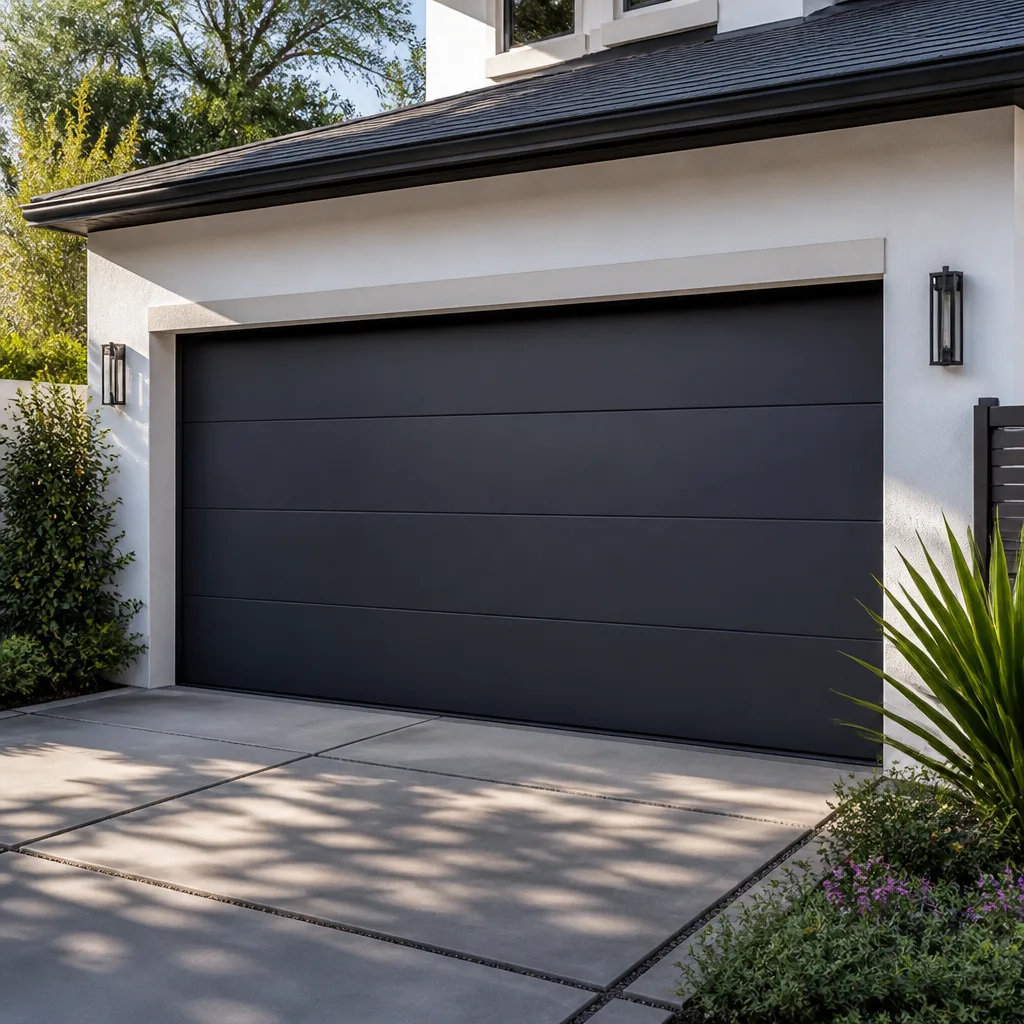 Modern flush
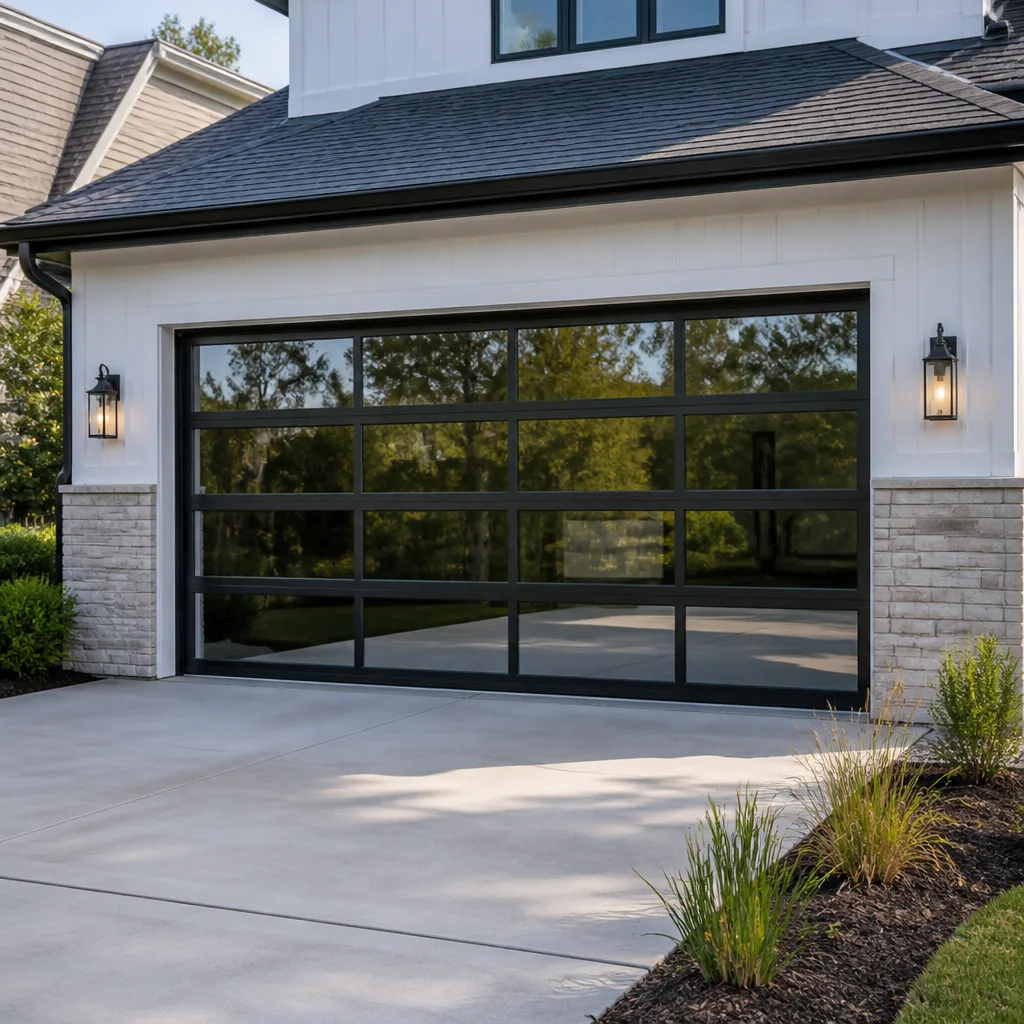 Full-view glass
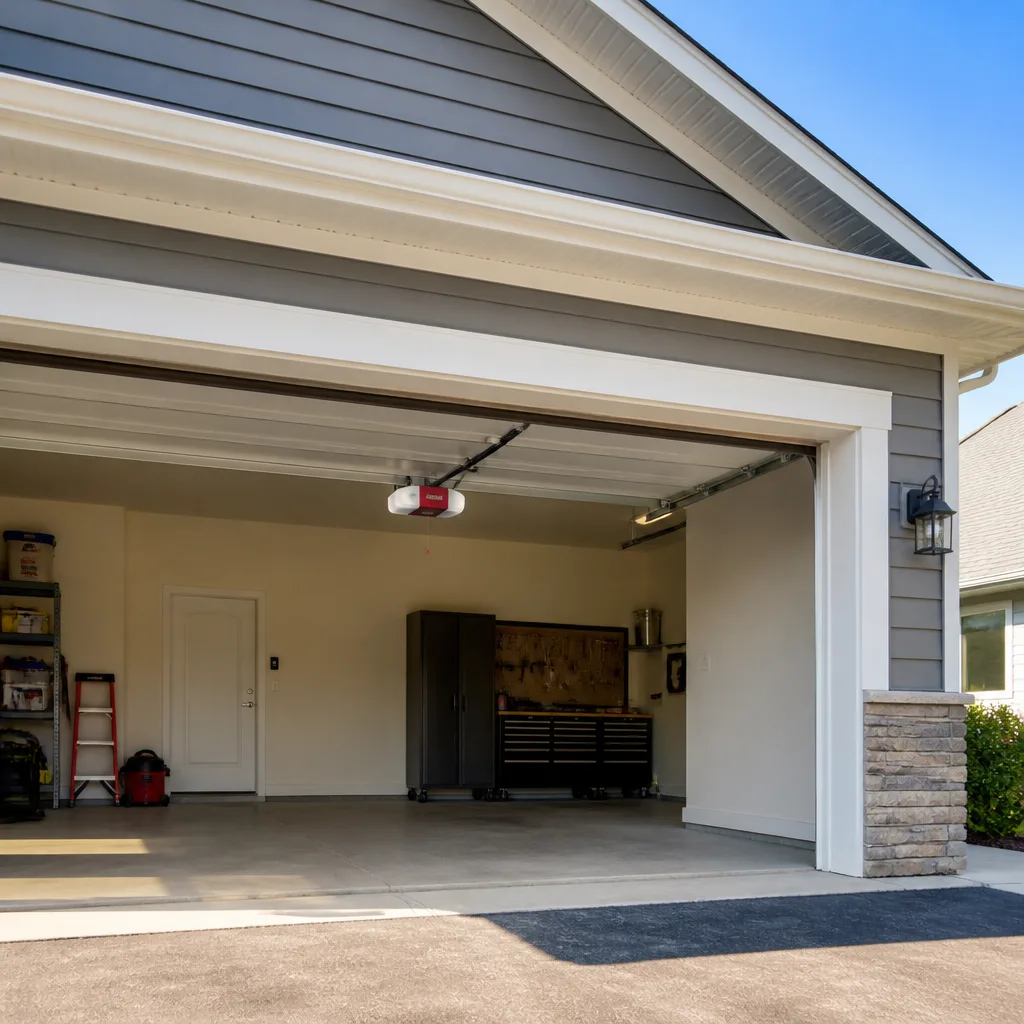 LiftMaster openers
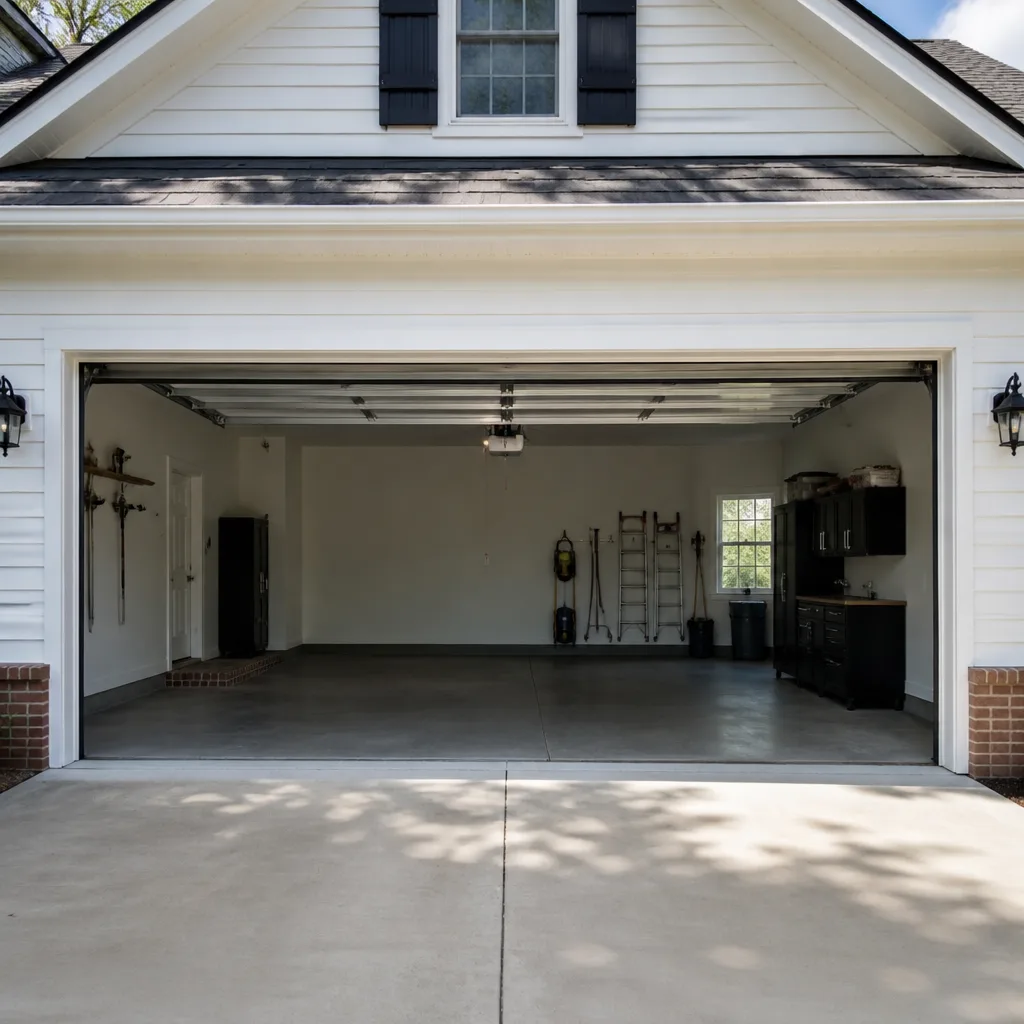 Chamberlain openers
Full 25-point door and opener safety check with every visit - springs, cables, rollers, tracks, and your LiftMaster or Chamberlain opener included
You get a price before we start. It does not change when the pro arrives.
Get your free estimateDIY vs Professional Garage Door: The Brighton Homeowner’s Decision Guide
Most DIY-or-pro guides draw the line in the wrong place. They tell you to call a technician for anything with a spring on it, then quietly suggest you “adjust” your own torsion hardware with a pair of vise grips. That advice gets people hurt. Torsion spring replacement injures homeowners every year, not because those homeowners are careless, but because a fully wound spring stores enough energy to cause serious trauma before anyone realizes something has gone wrong. The line isn’t about how handy you are. It’s about energy, torque, and the specific parts where a mistake is unforgiving. In this guide we’ll draw that line task by task for a Brighton homeowner: what you can genuinely handle in your own driveway, what you must not touch, what DIY actually saves, and when the math tips toward calling a professional.
Quick Answer
Lubrication, visual inspections, opener remote programming, and clearing a track of debris are safe homeowner jobs. Torsion springs, cables, bottom brackets, and any repair on a door that will not stay up are non-negotiable professional work because the stored energy in those components can injure or kill. In Brighton, most minor adjustments and tune-ups are inexpensive enough that DIY saves little, while spring and cable work carries real risk, so the honest answer is to handle the safe tasks yourself and call a specialist for the dangerous ones. A trained technician with the right tools does the high-risk work correctly the first time.
Styles & brands we work with
- Raised-panel steel
- Carriage house
- Modern flush
- Full-view glass
- LiftMaster openers
- Chamberlain openers
Table of Contents
- Why the Line Matters More Than Your Skill Level
- What’s Genuinely Safe to DIY on a Garage Door
- The Parts You Should Never Touch: Springs, Cables, and Brackets
- The Physics of a Torsion Spring, in Plain English
- The Honest Cost Comparison in Brighton
- How to Program an Opener and Adjust Your Door Without Making It Worse
- What DIY Does to Warranty Coverage and Future Repairs
- Brighton Housing, Climate, and Your Garage Door
Why the Line Matters More Than Your Skill Level
A garage door is the largest moving object in most homes, and it operates under tension every single time it opens. That changes the risk calculation. A homeowner who is comfortable replacing a faucet or patching drywall is working with water and gravity. A homeowner who takes a wrench to a wound torsion spring is working with stored rotational energy that can release in a fraction of a second.
Here’s the distinction most guides blur. There are tasks where a mistake costs you time or money, and there are tasks where a mistake costs you fingers, or worse. Garage door work contains both, and they sit inches apart on the same assembly. The spring, the cable, and the bottom bracket are all connected, so loosening the wrong bolt while “checking” a spring can turn a stable door into a dangerous one.
The good news is that plenty of garage door maintenance is boring, low-risk, and worth doing yourself. Lubrication, inspection, remote programming, and clearing obstructions are all jobs a careful homeowner can complete with basic tools. These tasks also extend the life of the door and make it easier for a technician to diagnose real problems later.
What we tell Brighton homeowners is simple: split your list in two. Everything that involves stored energy goes to a professional. Everything that involves cleaning, lubricating, or programming stays with you. That single rule prevents almost every serious garage door injury we hear about.
What’s Genuinely Safe to DIY on a Garage Door
These are the jobs where DIY makes sense. None of them involve releasing or adjusting tension, and none require you to be under a raised door with tools in your hands.
- Lubricate the moving parts. A few drops of garage-door-specific lubricant on the hinges, rollers, and the length of the torsion spring (sprayed from the side, never with your hands near it) keep everything quiet and reduce wear. Avoid heavy grease; it collects grit and grinds.
- Inspect the door visually. Look at the springs for gaps or a stretched look, the cables for fraying or slack, and the rollers for flat spots. You’re looking, not adjusting. If anything looks wrong, stop and call.
- Test the safety reverse. Place a roll of paper towels in the door’s path and close it. The door should reverse on contact. This is a critical safety check and takes two minutes.
- Program your opener remote and keypad. Pairing a new remote to a LiftMaster, Chamberlain, Genie, or Craftsman opener is a homeowner job. The manual walks you through the “learn” button, and there’s no risk of injury.
- Clear the tracks of debris. A stiff brush or a shop vacuum removes leaves and grit. Do not loosen the track brackets to do it.
- Adjust the opener’s force and travel limits if the manual covers it clearly. This is a programming change on the opener itself, not a mechanical adjustment on the door. If the door still won’t close properly, the problem is usually mechanical, and that’s a call to a technician.
Notice what’s not on this list: anything involving springs, cables, or diagonal bracing. Those are covered next, and for good reason.
The Parts You Should Never Touch: Springs, Cables, and Brackets
Three components sit firmly on the professional-only side of the line. They’re connected to the same tension system, and a failure in any one of them can cause serious injury.
- Torsion springs. The horizontal spring above the door stores the energy that counterbalances the door’s weight. It’s wound under extreme torque. Replacing it requires winding bars, a precise number of turns, and a controlled release of that energy. A slip is violent.
- Extension springs. The springs that run along the sides of the track on some older doors carry the same stored energy and can snap with force. Never unhook or adjust one yourself.
- Cables and bottom brackets. The cables run through the bottom bracket and are under tension from the spring. A cable that’s frayed or a bracket that’s bent is a serious hazard. Touching either while the door is under tension can release the cable, and the resulting snap can cause severe injury.
There’s also the “door won’t stay up” scenario. If your door won’t hold its position, the spring system has likely lost tension or failed. Do not prop it, do not try to balance it, and do not open it more than necessary. Call for help. A garage door that won’t stay up is a safety issue, not a convenience issue, and a professional should assess it before anyone uses it again.
If you’re unsure whether a job crosses the line, describe it to a specialist over the phone. A good technician will tell you honestly whether it’s a homeowner task or a professional one. That conversation costs nothing and prevents a lot of risk.
When it’s time to bring in a technician, our garage door repair service covers the full range of these parts, so there’s no handoff between a generalist and a spring specialist.
The Physics of a Torsion Spring, in Plain English
You don’t need a physics degree to understand why a torsion spring is dangerous. You need to understand that the spring is holding a wound-up force, and it doesn’t care whether your hands are in the way when that force releases.
A torsion spring works by being twisted during installation. The number of turns it’s wound determines how much counterbalance it provides against your door’s weight. When the door closes, the spring stores energy. When it opens, the spring releases that energy to help lift the door. At rest, a fully wound spring is holding a significant amount of rotational force.
That force is released when the spring breaks or when a component is improperly adjusted. Unlike a compressed spring on a bicycle, which fails predictably, a torsion spring can release suddenly and violently. The result is a sharp, unpredictable motion that can injure whoever is nearby before they can react. This is why professional technicians use specific winding bars, follow a controlled procedure, and never position their body in the path of the spring.
In our experience, the most dangerous moment in any spring job is when someone tries to “just take a look” or “loosen one bolt” to see what’s wrong. The spring doesn’t announce that it’s about to release. A trained technician recognizes the warning signs, wears the right protection, and knows exactly how to release tension safely. That’s the training that separates a routine spring replacement from a trip to the emergency room.
A torsion spring repair isn’t a home improvement project. It’s a controlled operation on a loaded component, and it belongs with a specialist.
The Honest Cost Comparison in Brighton
Here’s where the DIY math gets interesting. In Brighton’s market, garage door pricing falls into a few broad ranges, and once you subtract the value of your time and the cost of the tools you’d need to buy, the savings on the risky jobs shrink fast.
Typical estimated ranges for common garage door work in the Brighton area look like this:
- Single torsion spring repair or replacement: roughly $180 to $340 for one spring. A matched pair is usually replaced together, so a pair costs about twice that.
- Spring replacement with a professional tune-up: the spring range above plus a modest service charge for balancing and safety inspection.
- Cable and bottom bracket repair: similar range to spring work, since these are often replaced together when one fails.
- Opener repair: varies widely by part (a gear kit, a logic board, a drive belt), so a written estimate is the honest way to price it.
- Full door installation or replacement: priced per door and per model, confirmed after a free measure on site.
Now the DIY comparison. A homeowner who tries to replace a torsion spring themselves saves the labor portion, but the risk isn’t measured in dollars. It’s a loaded component with a real injury record. A wound spring doesn’t offer a “practice” run.
The jobs that genuinely save money are the prep ones. Clearing the garage, moving items away from the door, and taking a few photos of your labels and serial numbers before a technician arrives speeds up the visit and sometimes shortens it. Knowing whether you have a LiftMaster or a Genie opener and which door model you own (a Clopay or Amarr, for example) helps a specialist bring the right part on the first visit. That’s the DIy work that pays off.
For the real repairs, the savings come from getting the right diagnosis the first time. A specialist who knows your brand avoids the “tried three parts and none worked” spiral that turns a repair into a replacement. We can quote a repair or replacement honestly and let the numbers speak. When the time comes to replace rather than repair, our garage door installation service handles the measure and the written price before anything is ordered.
How to Program an Opener and Adjust Your Door Without Making It Worse
Opener work is where homeowners can safely do more than they think, provided they stay on the programming side of the line and leave the mechanical side alone. Here’s how to handle the common tasks correctly.
- Read the brand-specific manual first. A LiftMaster, Chamberlain, Genie, and Craftsman all have different learn-button sequences. The manual for your exact model is the only reliable guide, and it’s almost always available online with a model-number search.
- Pair a remote or keypad. Press the learn button on the opener (usually behind the light cover), then press the new remote button within the time window. The opener light will flash or click to confirm.
- Clear the opener’s memory before reprogramming a used remote. Holding the learn button for several seconds wipes old pairings. This is safe and sometimes fixes “my neighbor’s remote opens my door” issues.
- Adjust force and travel limits only as the manual describes. These are electronic settings, not mechanical ones. If the door still reverses or doesn’t close, the door’s balance is the real problem, and that’s a technician issue.
- Test the safety sensors after any change. The photo-eye sensors at the bottom of the tracks should stop the door when blocked. A misaligned sensor is a common reason a door “won’t close,” and it’s a safe homeowner fix: align the two eyes so the indicator lights stay solid.
What you should not do is loosen the chain or belt tension, remove the opener housing, or adjust the door’s mechanical balance to compensate for an opener problem. Those moves push you past the safe zone and can create new problems that cost more than the original repair. If the opener is making grinding noises, clicking repeatedly, or running without moving the door, that’s a repair call. Our garage door opener repair covers the major brands, so your exact model gets the right fix.
What DIY Does to Warranty Coverage and Future Repairs
Warranty terms vary by manufacturer, so the honest rule is to read the paperwork that came with your door or opener. What we can tell you is that most manufacturers tie coverage to proper installation and professional service, and many exclude damage caused by unauthorized adjustments or repairs. A homeowner who winds a torsion spring by hand and gets it wrong may find that the resulting damage isn’t covered.
The bigger cost isn’t the warranty itself. It’s the follow-on repair. A door that’s been improperly adjusted can wear unevenly, damage the opener, or stress the springs. What would have been a routine repair becomes a bigger job. In our experience, the most expensive calls we see are the ones where a homeowner started a repair they shouldn’t have and stopped halfway through.
There’s also the safety angle on the next owner. If you sell a Brighton home with a door that was adjusted incorrectly, the problem travels with the house. A professional service that documents the work protects you and the buyer. It’s a small detail that matters more than most homeowners expect.
If you’re not sure whether your door is under warranty or what your coverage says, call the number on your door or opener paperwork or ask the specialist who services it. They’ll tell you what they’d recommend.
Brighton Housing, Climate, and Your Garage Door
Brighton’s housing stock shapes garage door work in ways that a generic guide misses. Many homes here have detached or semi-detached garages, tight driveways, and doors that have seen decades of New England weather. That mix changes what’s worth doing yourself and what needs a specialist.
Winter is the big one. Freeze-thaw cycles put stress on the door’s moving parts, and homeowners often discover a problem on the first cold morning when the door won’t open all the way. A door that struggles in the cold is usually a sign of a tired spring, worn rollers, or a door that’s out of balance. Those are exactly the parts you should not adjust yourself. A professional tune-up before the cold sets in prevents the scramble.
Parking is another Brighton reality. In dense neighborhoods, a garage door that won’t close means the car sits in the street or the driveway overnight. That’s an inconvenience, but a door that won’t stay up is a safety concern. If your door is stuck, don’t force it. The right move is a call, not a pry bar.
Older doors in Brighton’s established neighborhoods may also predate modern safety features. Photo-eye sensors and auto-reverse became standard long ago, but plenty of older doors still lack or need them. A professional inspection catches those gaps, and it’s a genuine safety improvement, not an upsell.
The practical takeaway for Brighton homeowners is this: build a short annual checklist, do the safe parts yourself, and have a specialist handle the tension work. It’s the combination that keeps a door reliable through New England weather.
Common Mistakes to Avoid
- Loosening a bolt to “see what’s wrong.” On a door with a wound spring, that bolt may be holding tension. If you don’t know exactly what a fastener does, don’t touch it. This is the single most common near-miss we encounter.
- Using the wrong lubricant. Heavy grease or WD-40 on the tracks attracts grit and makes the door noisy and stiff. Use a garage-door-specific lubricant, and never grease the tracks themselves (the rollers should glide, not slide).
- Adjusting the opener’s force setting to compensate for a door problem. Cranking up the force to get the door to close masks the real issue and stresses the opener. Fix the door, not the setting.
- Ignoring the safety reverse test. Brighton homeowners should test the reverse feature at least once a year. A door that doesn’t reverse on contact is a hazard, especially in a neighborhood where kids and pets use driveways.
- Ordering parts based on a guess. Door and opener brands differ in hardware and spring sizing. A wrong-size spring can’t be “made to work,” and the return shipping eats the savings.
- Leaving a door half-fixed. A door that’s been partially disassembled and then abandoned is more dangerous than one that never came apart. If you start and get stuck, call a specialist and leave the door alone in the meantime.
- Assuming “it’s just an adjustment” when the door is out of balance. In Brighton’s older garages, an unbalanced door often points to a failing spring, not a screw that needs tightening. Get it assessed before using it again.
See the difference
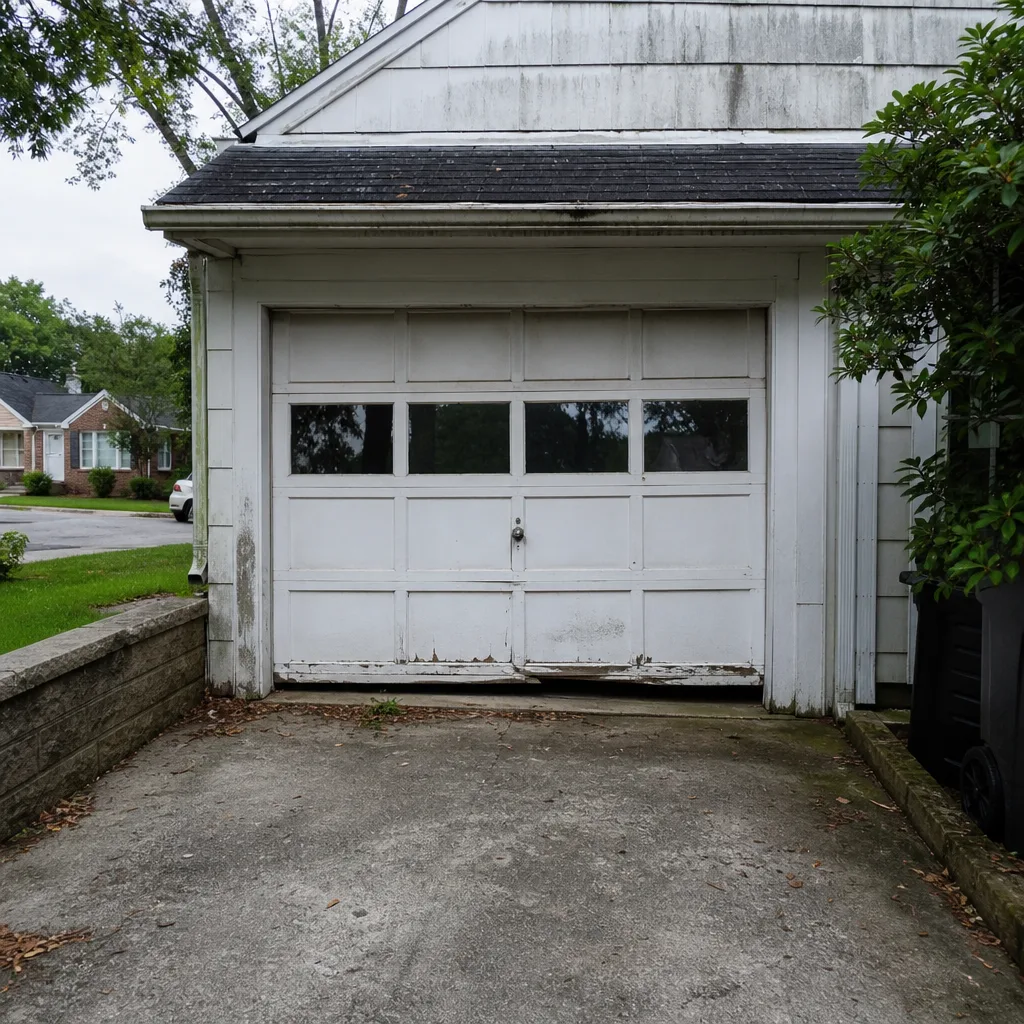 Before
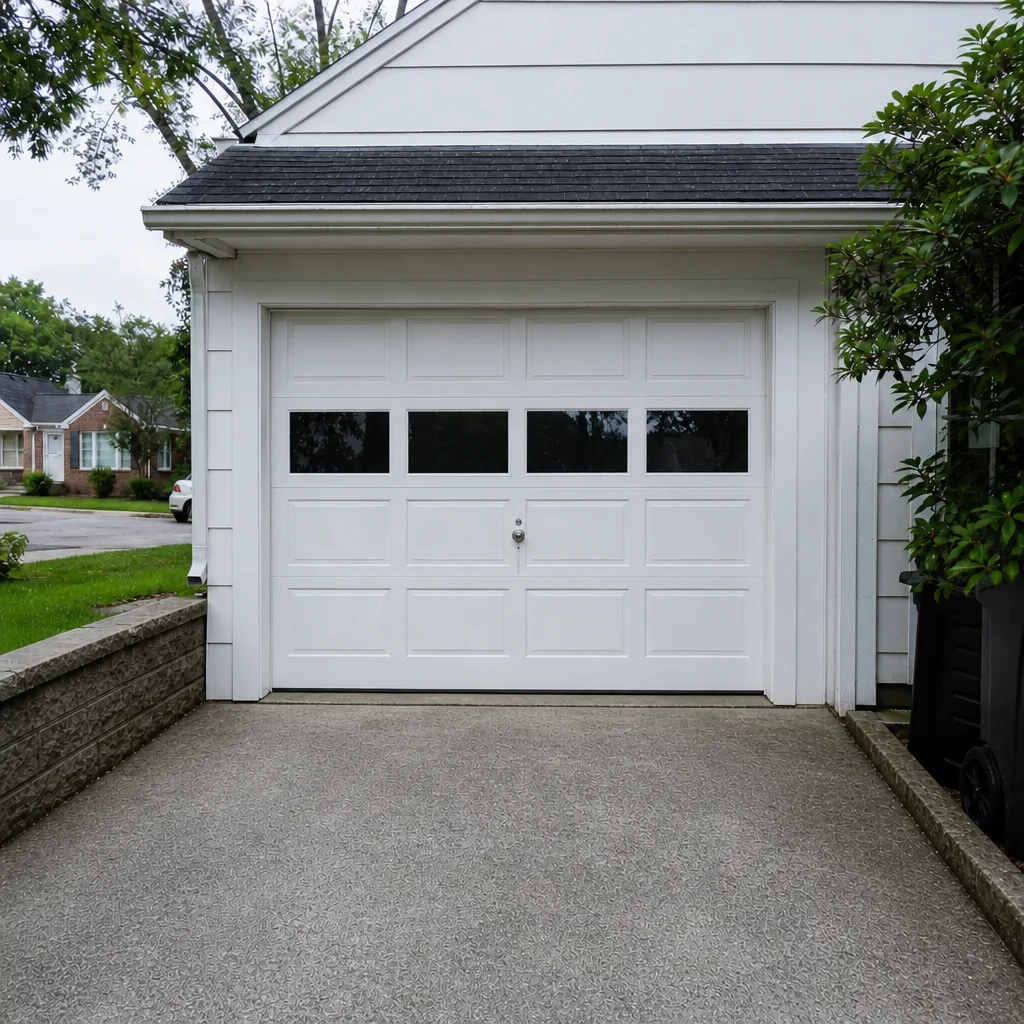 After
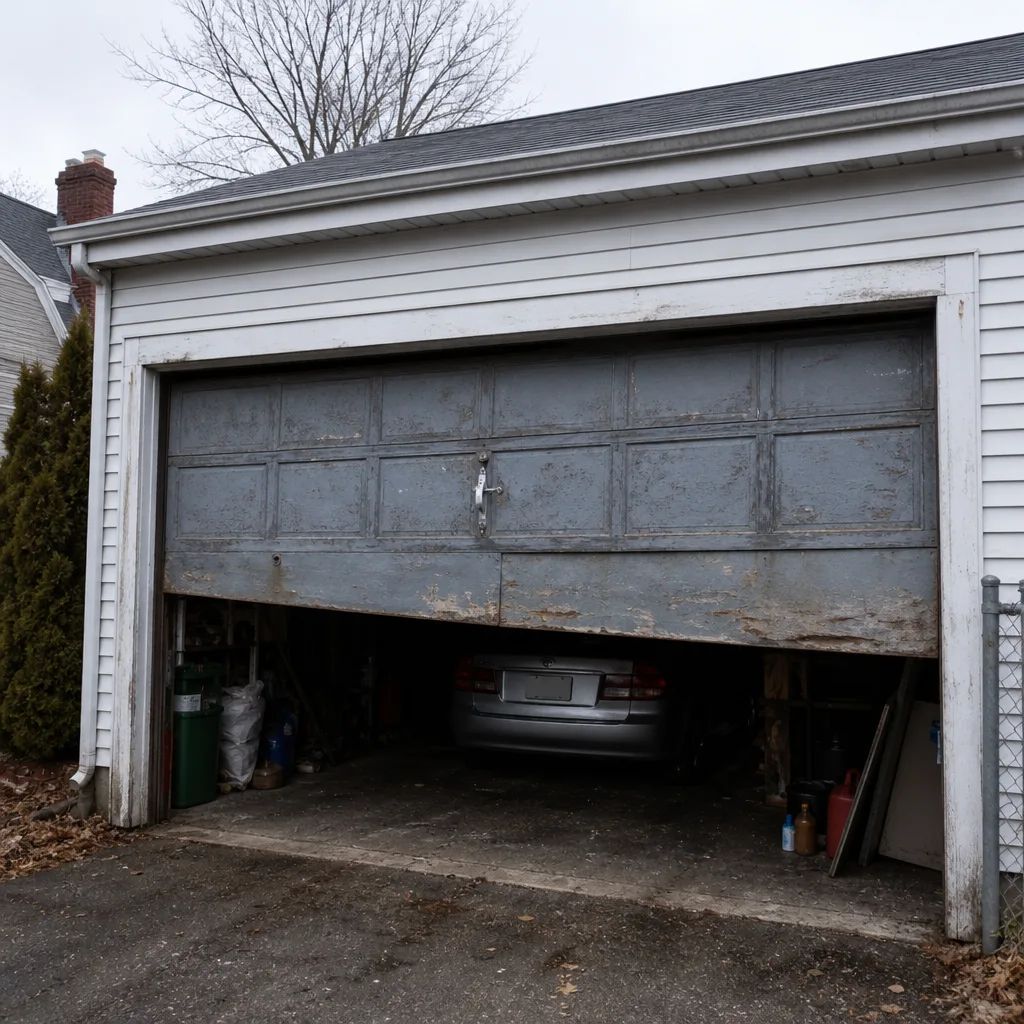 Before
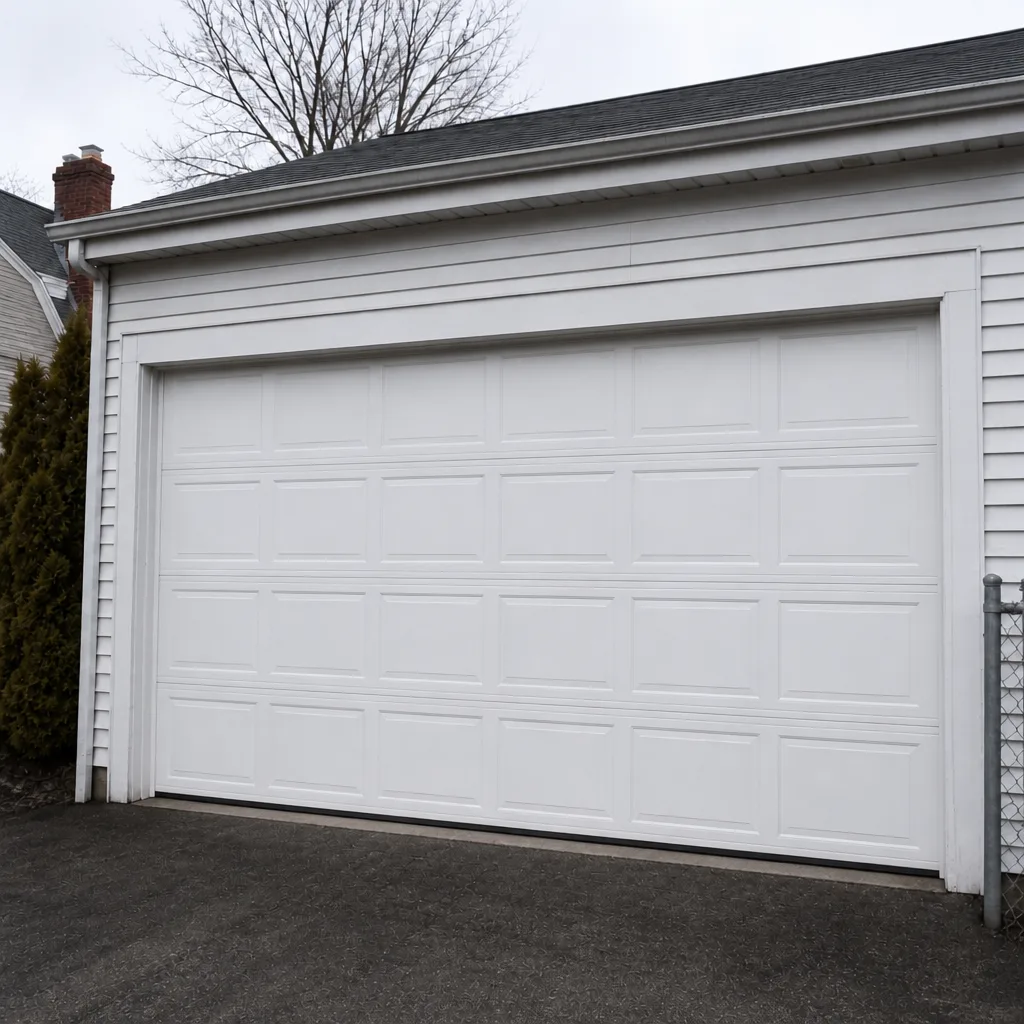 After
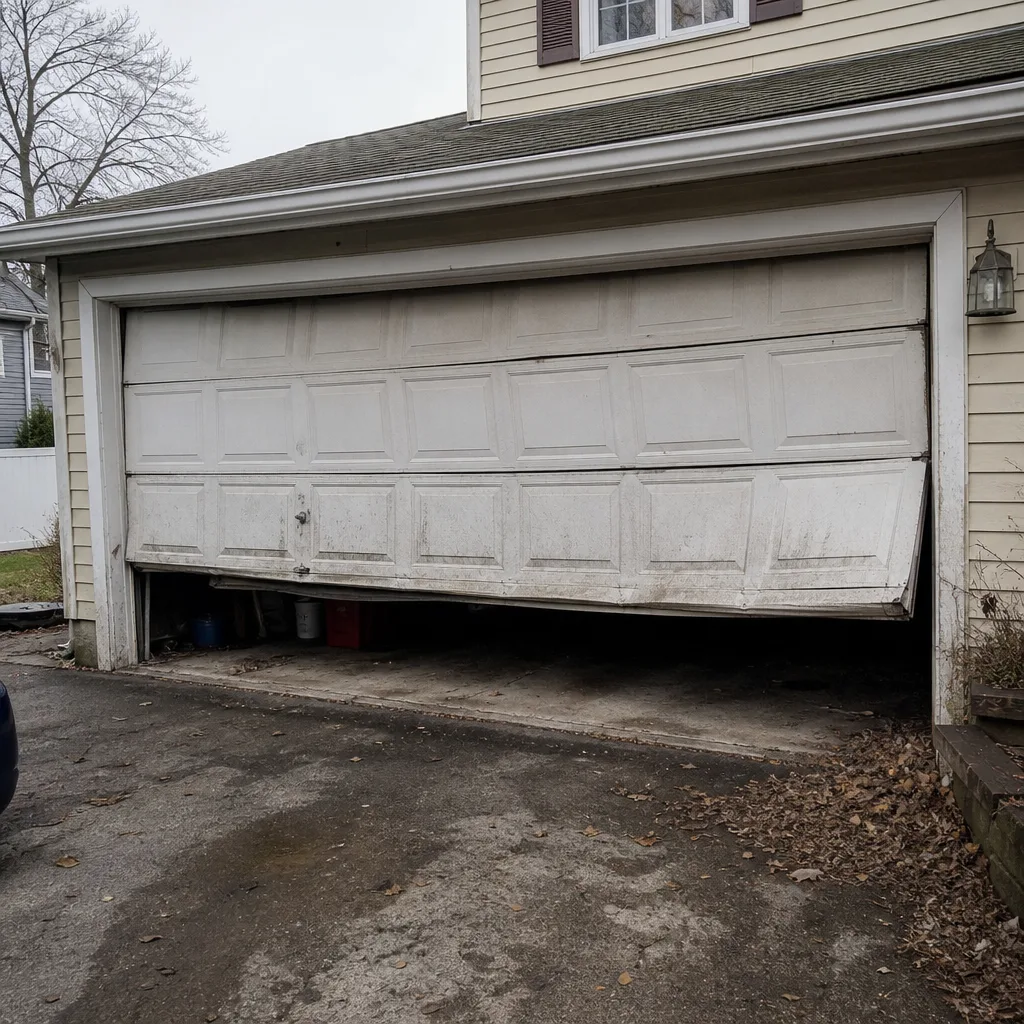 Before
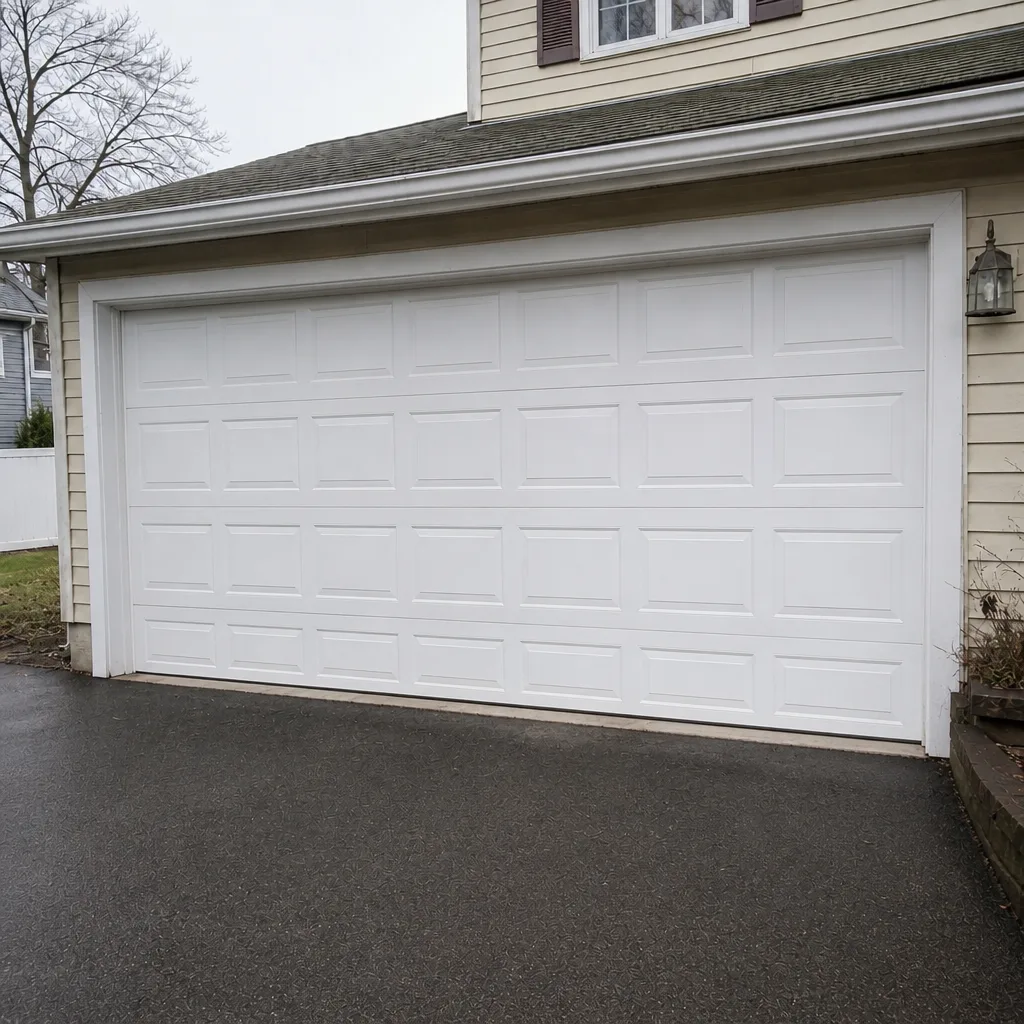 After
When to Call a Professional
Call a professional when the job involves springs, cables, or bottom brackets, when the door won’t stay up or won’t close, when you hear a loud snap from above the door, or when the door is visibly out of balance. Also call if you’re unsure whether a task is safe, because a phone call costs far less than an injury. A trained specialist can assess the door, explain what’s wrong, and give you a written price before any work begins. Brighton Garage Door Repair Pros offers free estimates in Brighton, call (877) 492-3662.
Frequently Asked Questions
No. A torsion or extension spring is under high tension, and replacing it yourself risks serious injury. In Brighton, the correct approach is to have a trained technician replace the spring, since it requires winding bars, precise turns, and controlled release of stored energy. Call (877) 492-3662 for a free estimate.
Lubricating the moving parts, clearing the tracks, testing the safety reverse, and programming an opener remote are all safe homeowner tasks. Anything that involves adjusting tension, cables, or bottom brackets should be left to a professional. Call (877) 492-3662 if you’re unsure which category your job falls into.
A garage door is the largest moving object in most homes, and a torsion spring stores enough energy to cause serious trauma if it releases suddenly. That’s why spring, cable, and bracket work is professional-only. A garage door that won’t stay up or won’t close should always be assessed by a technician.
Most warranties tie coverage to proper installation and service, and many exclude damage from unauthorized repairs. Read your door or opener paperwork for the exact terms. If you’re not sure what your warranty covers, ask the specialist who services your brand.
Typical estimated ranges in Brighton run roughly $180 to $340 for a single spring, with a pair costing about twice that, and variable ranges for opener and cable repairs. The written quote is the price, agreed before any work starts. Call (877) 492-3662 for a free estimate.
Yes, if the door won’t close or won’t stay up, call a professional rather than forcing it. Those symptoms often point to a spring or cable problem that shouldn’t be handled by a homeowner. Call (877) 492-3662 and a technician can assess it and explain your options.
The Bottom Line
The DIY-versus-pro question comes down to a bright line, not a fuzzy one. Lubrication, inspection, remote programming, and clearing debris are yours to handle, and doing them well extends your door’s life. Springs, cables, bottom brackets, and any “won’t stay up” or “won’t close” situation belong to a trained technician because the stored energy in those parts doesn’t forgive mistakes. In Brighton’s older garages and cold winters, getting that split right is what keeps your door reliable and your family safe. Do the safe work yourself, call for the dangerous work, and get a written price before anything begins.
When the job is one you shouldn’t handle, Brighton Garage Door Repair Pros offers free estimates in Brighton. Our technicians work with the major brands, from LiftMaster and Chamberlain to Genie, Clopay, Amarr, Wayne Dalton, Craftsman, and Raynor, and garage doors are all we do. Call (877) 492-3662 to schedule a free estimate.
Written by the team at Brighton Garage Door Repair Pros.